

Notice a thinning hairline or a balding crown? Hair restoration and hair transplants in Dubai offer scientifically backed solutions to regain natural hair density. The city has established itself as a premier destination for advanced medical treatments, bringing together elite surgeons and state-of-the-art clinical technology. This guide covers the exact biological mechanics of hair replacement, the differences between various treatments, and how to prepare for your procedure and recovery.
What You’ll Learn (TL;DR)
- Restoration vs. Transplants: A clear breakdown of the differences between non-surgical hair restoration and surgical transplants.
- The core techniques: A direct comparison of FUE, DHI, and FUT methods available in top clinics.
- Pros and Cons: A realistic look at the advantages and drawbacks of hair surgery.
- Step-by-step process: Exactly what happens from your initial consultation to the final bandage removal.
- Recovery timeline: A realistic look at the healing process, including shedding phases and final results.
- Travel logistics: How to plan your medical journey to Dubai seamlessly with trusted healthcare networks.
Discover Premium Hair Transplant Packages with Nova Voya
Traveling abroad for a hair transplant involves careful planning. You need to coordinate flights, accommodation, clinic appointments, and post-operative care.
At Nova Voya, we simplify this entire process so you can focus entirely on regaining your hair and confidence. Think of us as your friendly guide to a world of healthcare without borders. Our goal is to connect you with trusted providers and carefully selected networks of the world’s best hair restoration specialists in Dubai. We do not just present options; we empower you with the knowledge and support necessary to make confident, informed decisions.
By ensuring top-quality care and stringent safety standards, Nova Voya guarantees a seamless experience. Explore our specialized hair restoration packages below to start your journey with complete peace of mind.
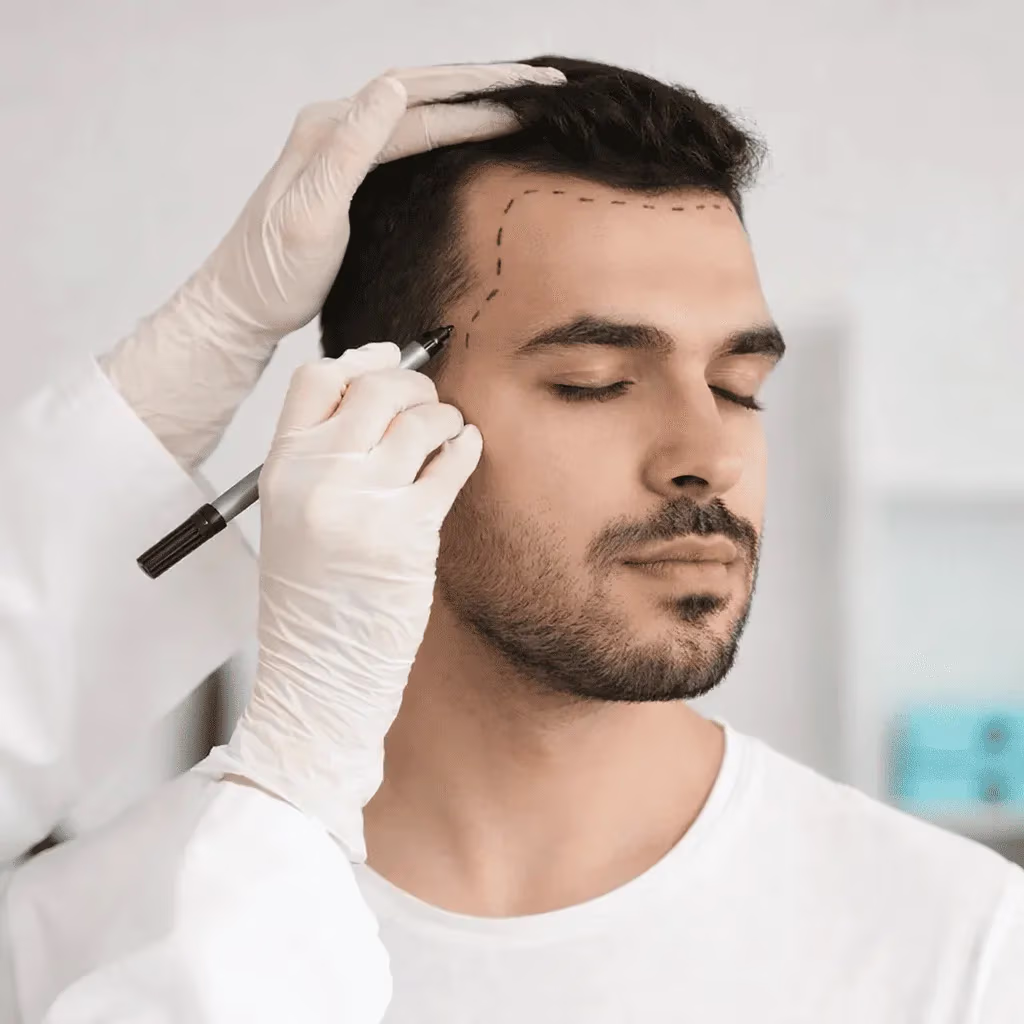
Natural Density FUE Hair Restoration Padra Clinic in Dubai
Innovative Non-Surgical Hair Restoration in AIC City Polyclinic
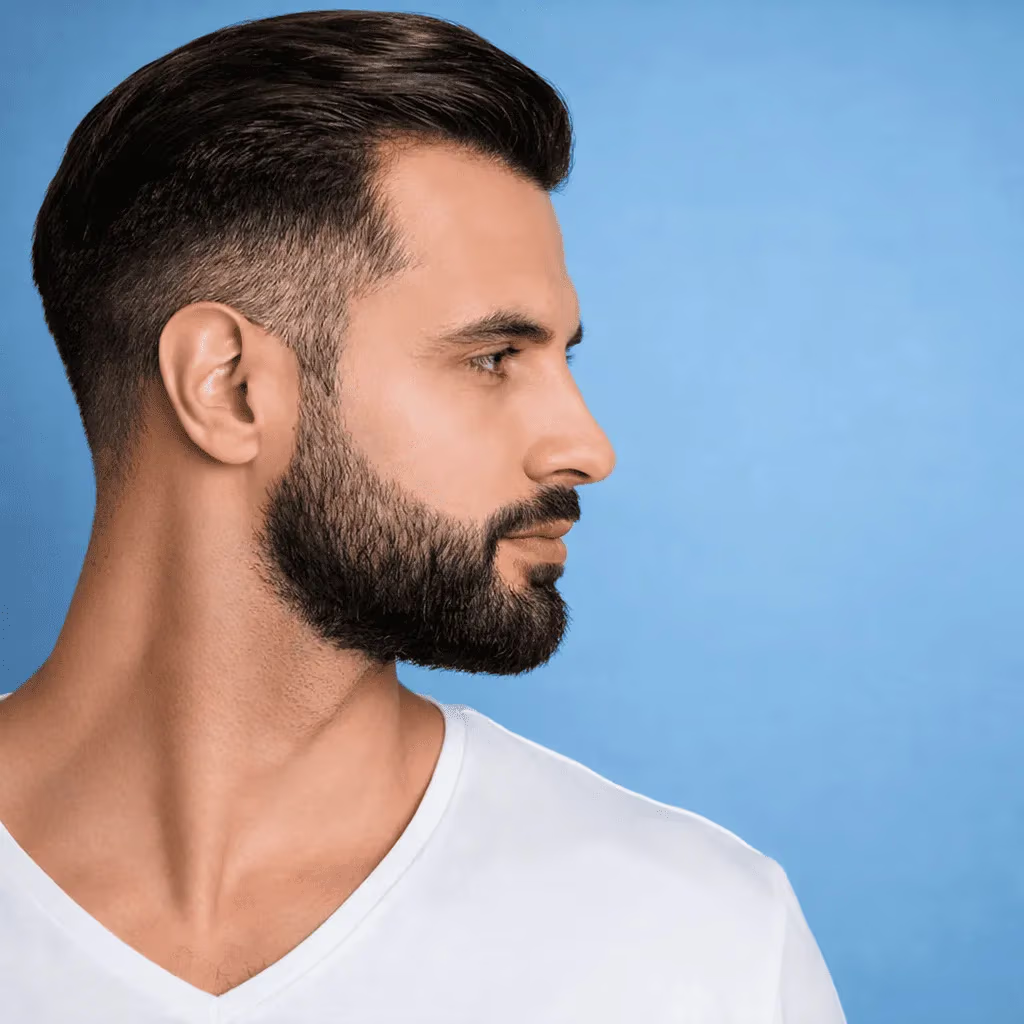
Natural Beard Definition with FUE Transplant Padra Clinic in Dubai
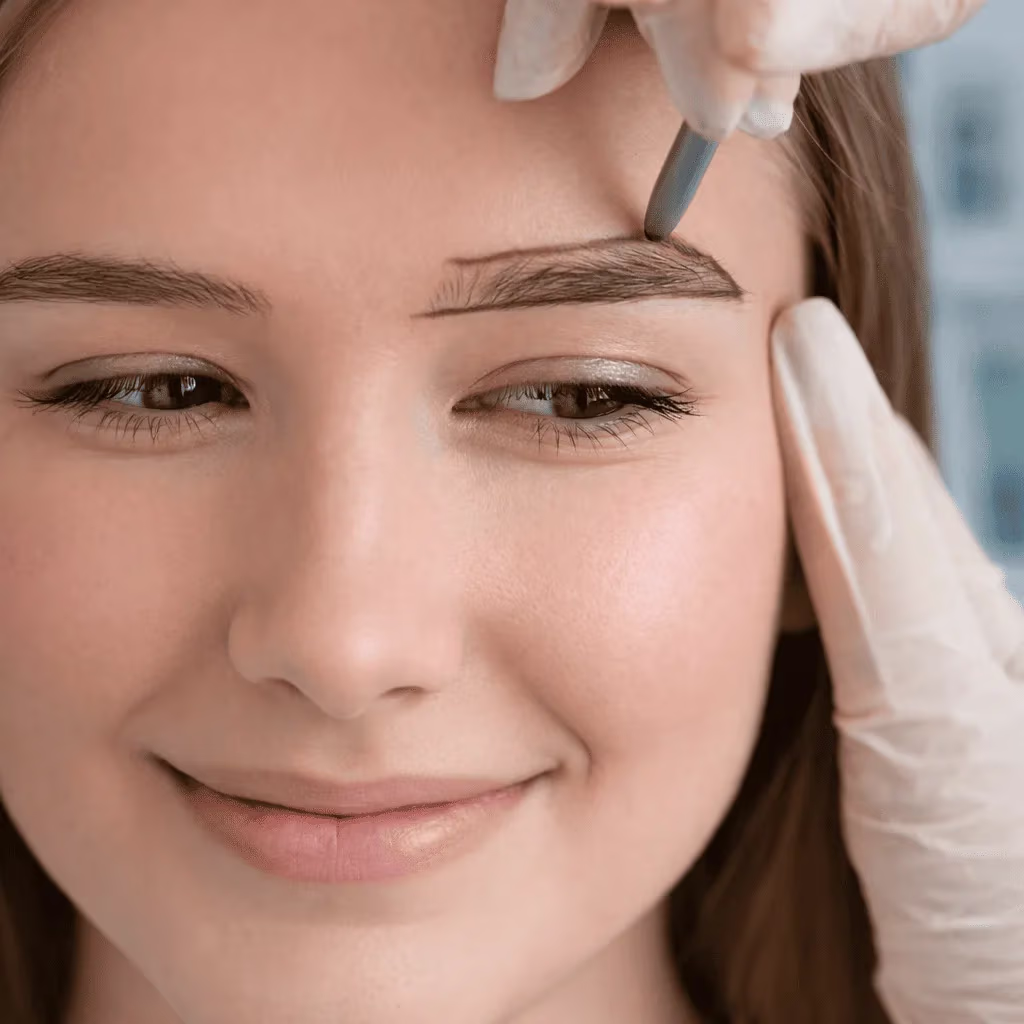
Refined Eyebrow Shaping with NTF Transplant Padra Clinic in Dubai
Hair Restoration vs. Hair Transplants: What is the Difference?
Hair restoration is a broad category encompassing any treatment designed to improve hair density. A hair transplant is a specific, surgical procedure that falls under the restoration umbrella. Understanding this distinction helps you choose the right path for your specific level of hair loss.
What is Hair Restoration?
Hair restoration refers primarily to non-surgical methods used to prevent further hair loss and stimulate existing hair follicles. This includes topical medications, laser therapies, and PRP injections.
Who should consider it?
- People in the early stages of thinning.
- Individuals not ready or not medically suitable for surgery.
- Patients looking for a preventive approach to maintain their current hair volume.
What is a Hair Transplant?
A hair transplant is a microsurgical procedure performed under local anesthesia. A surgeon harvests healthy hair follicles from a donor area (where hair is thickest) and surgically implants them into bald or thinning areas.
Who should consider it?
- People with significant, stabilized permanent baldness.
- Individuals seeking a permanent, long-term solution to receding hairlines or bald spots.
- Patients who have a sufficient amount of healthy donor hair available.
Quick Comparison: Transplant vs. Restoration
| Feature | Hair Transplant | Non-Surgical Hair Restoration |
| Procedure Type | Surgical (Minimally invasive) | Non-surgical |
| Duration of Results | Permanent | Temporary / Requires ongoing use |
| Best For | Advanced balding, receding hairlines | Early-stage thinning, prevention |
| Maintenance | Minimal (grows like normal hair) | High (requires regular sessions/medication) |
| Recovery Time | 7 to 14 days | Zero to minimal downtime |
Why Choose Dubai for Your Hair Restoration and Hair Transplants?
Dubai is a leading global destination for medical tourism, specifically for cosmetic and reconstructive procedures. The city combines rigorous healthcare regulations with high-end patient care. Let’s explore the primary reasons why thousands of patients choose this emirate for their hair restoration journey each year:
1. World-Class Medical Infrastructure in Dubai
Clinics in Dubai operate under strict guidelines set by the Dubai Health Authority (DHA). This ensures that facilities maintain exceptional standards of hygiene, utilize modern surgical equipment, and follow international medical protocols. You receive treatment in environments that rival or exceed the best hospitals globally.
2. Highly Experienced Dubai Surgeons
The emirate attracts top-tier medical professionals from around the world. Surgeons practicing here often hold international board certifications and possess decades of specialized experience in trichology and microsurgery. This global talent pool means you have access to diverse expertise and the latest restorative techniques.
3. Exceptional Value for Premium Care
Compared to undergoing procedures in the US, UK, or Europe, Dubai offers an incredible value proposition. You receive VIP-level care, access to the latest robotic and manual surgical tools, and top-tier facilities, often at a highly competitive overall cost. It represents a smart investment in quality and safety without compromising on luxury.
4. Luxury Recovery and Complete Privacy
Dubai is synonymous with luxury and discretion. Patients can enjoy their immediate recovery period in world-class hotels and resorts, away from the stress of their daily routines. The city’s culture highly respects personal privacy, allowing you to recover in a serene, comfortable, and discreet environment.
5. Strategic Location and Easy Accessibility
As a major international travel hub, Dubai is geographically positioned to be easily accessible from almost anywhere in the world. With direct flights from hundreds of major cities, navigating your medical journey is straightforward, saving you from exhausting, multi-stop travel routes before and after your procedure.
Weighing the Pros and Cons of Hair Transplant Surgery in Dubai
Before committing to surgery, it is crucial to have realistic expectations. While the results are life-changing for many, the procedure does have its drawbacks.
Advantages of a Hair Transplant
The primary advantage is achieving a permanent, natural-looking head of hair that requires no special maintenance.
- Permanent Solution: Transplanted hair is highly resistant to the hormone (DHT) that causes baldness. It will continue to grow for a lifetime.
- Natural Appearance: Modern techniques allow surgeons to match the exact angle and direction of your native hair.
- Low Maintenance: Once healed, you can wash, cut, and style the transplanted hair exactly as you normally would.
Disadvantages and Risks of a Hair Transplant
The main drawback is the waiting period; final results take several months to appear.
- Delayed Results: New hair growth is a slow biological process. You will not see the final density until 8 to 12 months post-surgery.
- The “Shock Loss” Phase: About 2 to 4 weeks after the procedure, the transplanted hairs will fall out. This is a normal, temporary response to surgical trauma, but it can be distressing if you are not prepared for it.
- Lengthy Procedure: The surgery itself can take anywhere from 4 to 8 hours, depending on the number of grafts required.
Modern Hair Transplant Techniques Available in Dubai
Advancements in microsurgery have led to highly refined techniques that leave minimal scarring and yield natural-looking results. The three primary methods used in Dubai clinics are FUE, DHI, and FUT.
1. Follicular Unit Extraction (FUE) in Dubai
FUE is the most widely performed hair transplant technique globally. It involves extracting individual hair follicles directly from the scalp without removing a strip of skin.
How FUE Works
The surgeon uses a specialized micro-punch tool (typically ranging from 0.7mm to 1.0mm in diameter) to score the skin around a follicular unit. The unit is then carefully extracted using micro-forceps. Once the required number of grafts is harvested, the surgeon creates tiny incisions (channels) in the recipient area using a sapphire or steel blade. The extracted grafts are then manually placed into these channels.
Pros and Cons of FUE
Pros:
- Leaves tiny, dot-like scars that are virtually invisible under short hair.
- Faster recovery time compared to strip methods.
Cons:
- The extraction process is time-consuming.
- Usually requires a full shave of the donor area.
2. Direct Hair Implantation (DHI) in Dubai
DHI is an advanced modification of the FUE technique. The extraction process is identical, but the implantation phase differs significantly.
The DHI Mechanism (Choi Implanter Pen)
Instead of creating pre-made incisions in the recipient area, the surgeon uses a specialized tool called a Choi Implanter Pen. The extracted hair follicle is loaded into the hollow needle of the pen. The surgeon then presses the pen into the scalp, simultaneously creating the incision and injecting the follicle into place.
Advantages of DHI
Pros:
- Allows for precise control over the angle, depth, and direction of each implanted hair.
- Often allows for unshaven transplants (only the donor area needs shaving, not the recipient area).
Cons:
- Takes longer to perform than standard FUE due to the meticulous loading process.
3. Follicular Unit Transplantation (FUT) in Dubai
FUT, also known as the strip method, is the traditional approach to hair transplantation. While less common today, it remains highly effective for specific cases.
The Strip Method Explained
The surgeon excises a linear strip of skin from the donor area at the back of the head. The wound is then sutured closed. A team of technicians takes this strip under high-powered microscopes to dissect it into individual follicular units. These units are then implanted into pre-made incisions in the recipient area.
When is FUT Recommended?
FUT is typically recommended for patients requiring a massive number of grafts in a single session. It offers the highest hair yield per session and preserves the donor area efficiently, as no adjacent follicles are damaged by a micro-punch.
Non-Surgical Hair Restoration Options in Dubai
If you are not ready for surgery or simply want to boost the thickness of your existing hair, Dubai clinics offer advanced non-invasive restoration treatments.
1. Platelet-Rich Plasma (PRP) Therapy
PRP uses the healing properties of your own blood to stimulate dormant hair follicles. A small amount of blood is drawn and spun in a centrifuge to isolate the platelet-rich plasma. This plasma, packed with growth factors, is injected directly into the thinning areas of the scalp to increase blood supply and trigger the natural hair growth phase.
2. Scalp Micropigmentation (SMP)
SMP is a cosmetic tattoo procedure. A practitioner uses micro-needles to deposit pigment into the scalp, replicating the appearance of tiny, short hair follicles. It creates the illusion of a close buzz cut on a bald head or adds the appearance of density to thinning areas.
The Complete Step-by-Step Hair Transplant Process in Dubai
Knowing exactly what happens inside the clinic helps eliminate pre-surgery anxiety. Here is the standard protocol you will experience.
Step 1: Initial Consultation and Scalp Analysis
The journey begins with a thorough medical evaluation. The surgeon assesses your hair loss pattern, examines the condition of your donor area, and discusses your aesthetic goals. They design the new hairline using a marker on your forehead based on your facial structure.
Step 2: Pre-Operative Preparation
On the day of the surgery, your scalp is thoroughly washed and sterilized. Depending on the chosen technique, your hair will be shaved or trimmed. Blood tests are conducted, and baseline photographs are taken for medical records.
Step 3: Local Anesthesia and Extraction
You will receive local anesthesia injections in the donor area. This stings briefly, but the area becomes completely numb within minutes. The surgeon then begins extracting the grafts. You will be awake and comfortable, often listening to music or watching a screen.
Step 4: Graft Preparation and Implantation
The extracted grafts are cleaned, sorted, and submerged in a nutrient-rich solution to keep them viable. The recipient area is then numbed. The surgeon creates micro-incisions (or uses a Choi pen for DHI) following the natural angle of your native hair, and carefully places each graft into the scalp.
Step 5: Post-Operative Bandaging and Briefing
Once implantation is complete, the donor area is treated with antibiotic ointment and bandaged. The recipient area is left open to allow the grafts to set. The medical team provides detailed post-operative instructions, medications, and a special sleeping pillow.
Post-Op Care and The Recovery Timeline
Proper aftercare is vital. The transplanted grafts are fragile during the first few weeks and require specific care to secure themselves.
The First 48 Hours: Critical Care
You must keep your head elevated at a 45-degree angle while sleeping to minimize facial swelling. Do not touch, rub, or scratch the recipient area. The clinic will provide a saline spray to keep the grafts hydrated. Expect some redness, minor swelling, and scabbing.
Weeks 1 to 4: Shedding and Healing
By day ten, most of the scabs will fall off. Around week three or four, you will experience the “shock loss” phase mentioned earlier. The transplanted hairs will fall out, leaving the permanent follicle root secure beneath the skin to rest.
Months 3 to 12: Growth and Final Results
- Month 3-4: Fine, baby-like hair begins to emerge from the transplanted follicles.
- Month 5-7: Hair thickens and becomes more visible. You will see roughly 50% to 60% of the final result.
- Month 8-10: Hair texture matures, matching your native hair. Density increases significantly.
- Month 12-15: The final result is fully visible.
Planning Your Medical Trip to Dubai for Hair Restoration and Hair Transplants
Organizing international travel for a medical procedure requires attention to specific logistical details to ensure a stress-free experience.
Visa, Accommodation, and Travel Logistics
Dubai offers various visa options depending on your nationality. When booking accommodation, choose a hotel near your clinic with easy access to transport. You will need to stay in Dubai for at least 3 to 5 days post-surgery to attend the follow-up wash and check-up before receiving clearance to fly.
For more information, read our article about “How to apply for a medical visa in Dubai”
Summary: Your Hair Restoration Journey in Dubai
Deciding between non-surgical hair restoration and a surgical hair transplant depends entirely on the severity of your hair loss and your long-term goals. While restoration therapies are excellent for prevention, modern transplant techniques like FUE and DHI offer a permanent, natural-looking solution for significant baldness. By adequately preparing for the journey and understanding the recovery timeline, you ensure a successful result in one of the world’s leading medical hubs.
What are your thoughts on traveling for medical procedures? Have you considered Dubai for a hair transplant? Let us know in the comments below!
Frequently Asked Questions (FAQs)
Yes. The transplanted hair follicles are harvested from the back of the scalp, an area genetically resistant to the hormone that causes baldness. Once relocated, they continue to grow permanently.
The procedure itself is performed under local anesthesia, meaning you will not feel pain during the extraction and implantation phases. Post-operative soreness is usually minor and manageable with standard painkillers.
Clinics generally recommend staying for at least 3 to 5 days. This allows the medical team to perform the crucial first hair wash, remove bandages, and verify that the grafts are healing correctly before you fly.
Non-surgical methods like PRP and topical medications may cause minor, temporary side effects like scalp redness or irritation. Surgical transplants carry standard surgical risks like mild swelling or temporary numbness, which subside within a few days.
Absolutely. Many clinics specialize in female hair restoration. Techniques like DHI are particularly popular for women as they often do not require shaving the entire head, allowing the donor area to be concealed under existing hair.