

Traveling for medical treatment is a big decision. You aren’t just packing a suitcase; you’re packing your health, your hopes, and probably a little bit of anxiety. One of the first questions we hear isn’t about the surgery itself, it’s about the destination. Is it actually safe?
With health tourism in UAE growing rapidly, Dubai has become a top choice for patients worldwide. But headlines about strict laws or regional tensions can make anyone hesitate. The reality on the ground is different from what you might expect. Dubai is a city of contrasts, extremely modern yet deeply traditional, incredibly safe yet strictly policed. This guide cuts through the noise to give you the facts on safety, hospitals, and the local rules you need to respect.
Safe & Secure Dubai Medical Travel Packages 🏥
Navigate Dubai’s healthcare system with zero stress. Nova Voya handles your clinic vetting, appointments, and safety logistics so you can focus on healing.
*Your health and safety are our top priority.
Key Takeaways (TL;DR)
- Crime Rate: Dubai is ranked as one of the safest cities globally, with very low violent crime due to strict monitoring.
- Healthcare Quality: Private hospitals meet US/UK standards, with many doctors trained internationally.
- Emergency Care: Dial 998 for ambulances; response times are fast, and paramedics speak English.
- Strict Laws: Zero tolerance for drugs (including CBD), public intoxication, and rude gestures.
- Cost Reality: High-quality care is accessible but can be pricey without insurance; a specialist visit costs 400-1000 AED.
- Cultural Norms: Modest dress is expected, and public displays of affection are prohibited.
Is Dubai Actually Safe for Tourists?
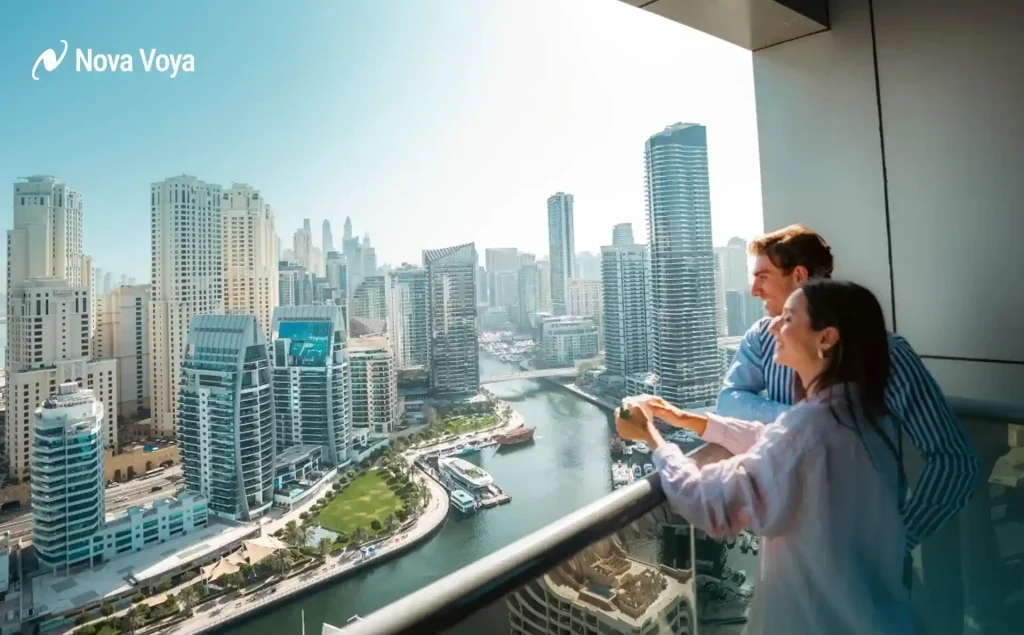
Yes, Dubai is statistically one of the safest cities in the world for tourists, with extremely low rates of violent crime.
Because the city is heavily monitored and laws are strictly enforced, violent crimes against visitors are incredibly rare. You can walk through most neighborhoods at night without the fear you might feel in other major global capitals. In 2025, Dubai was ranked fifth out of 431 cities for safety. However, “safe” doesn’t mean “anything goes.” The safety comes from strict rules that everyone, residents and tourists, must follow.
While physical safety scores are high (75/100), you should still be street-smart. Petty theft, like pickpocketing or bag snatching, can happen, though it is less common than in European tourist hubs. The real risks here aren’t muggers; they are often scams. Be wary of “too good to be true” offers, whether it’s a romance scam online or someone offering you a “deal” on gold or employment. If you stay within the law and use common sense, your biggest physical risk is likely just the intense sun.
What Happens If I Need Emergency Care in Dubai?
In a medical emergency, you should dial 998 immediately for an ambulance. The response system is world-class, with English-speaking operators and fast arrival times.
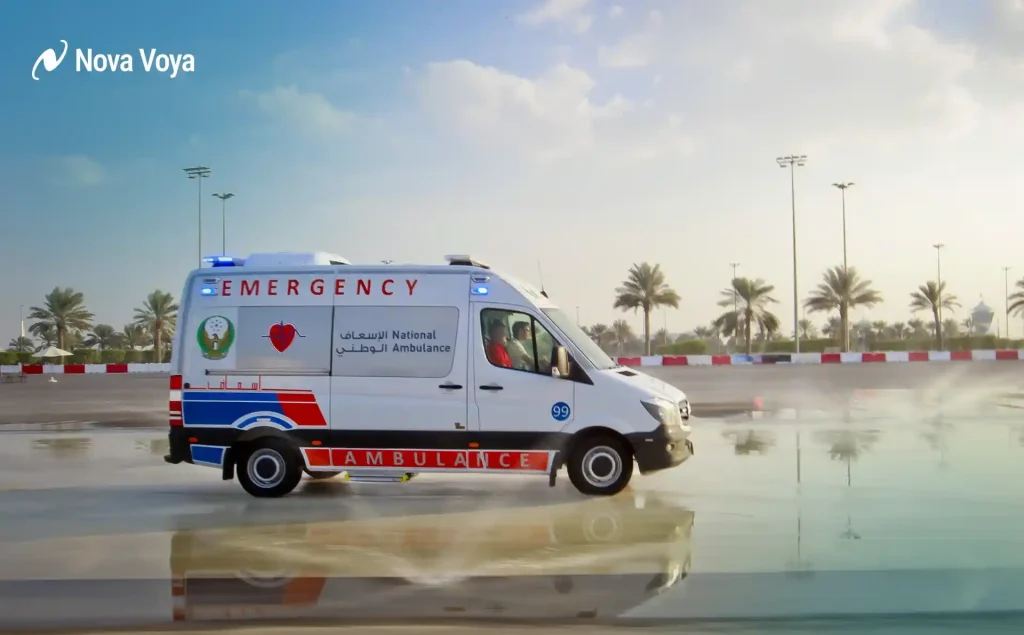
Dubai takes healthcare infrastructure seriously. If you have an accident or a sudden health crisis, you won’t be left stranded. The ambulance service is highly efficient, and paramedics are trained to stabilize patients quickly.
Emergency Numbers to Save:
- Ambulance: 998
- Police: 999
Emergency rooms in private hospitals are open 24/7 and are equipped to handle everything from cardiac issues to trauma. Unlike some countries where tourists might struggle to be seen, Dubai’s hospitals have specific protocols for international patients. However, keep in mind that while emergency stabilization is a priority, follow-up treatment can be expensive if you don’t have insurance.
How Good is the Healthcare Quality in Dubai?
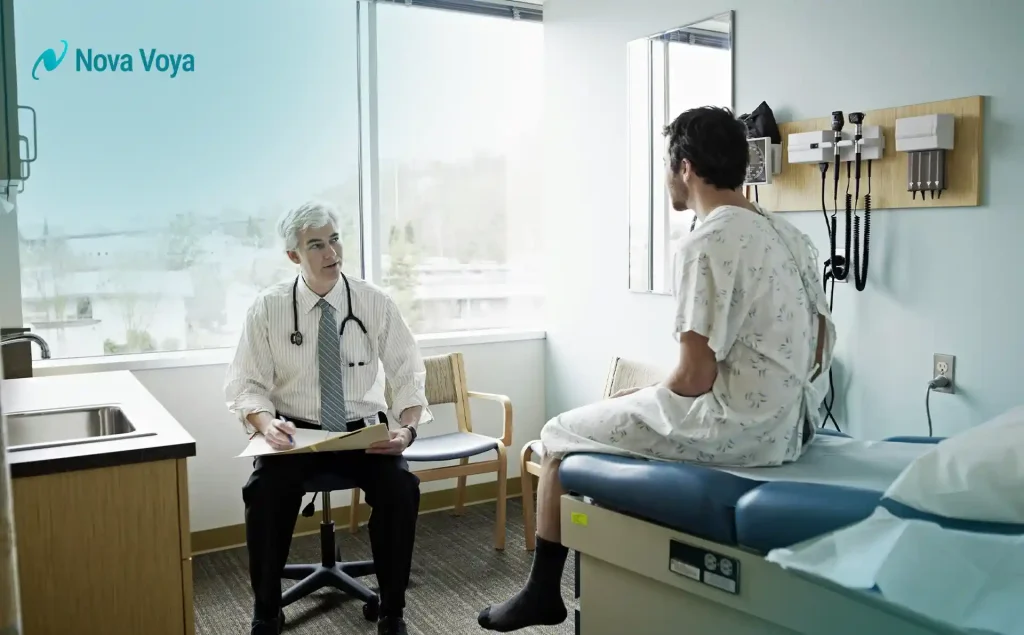
Healthcare in Dubai is excellent, particularly in the private sector, which caters specifically to international visitors and medical tourists.
Most private hospitals in Dubai are JCI-accredited, meaning they meet rigorous international standards for safety and quality. You will find that the facilities are modern, clean, and often feel more like hotels than hospitals.
One major advantage is the lack of a language barrier. English is the primary language of business and medicine here. Many doctors and specialists are expatriates trained in the UK, USA, or Europe. Hospitals like the American Hospital Dubai, King’s College Hospital, and Mediclinic City Hospital are popular choices for a reason—they offer the same level of care you’d expect at home, often with shorter waiting times.
If you are planning a procedure, knowing how to apply for a medical visa in Dubai is an important first step, as it grants you access to these top-tier facilities for extended treatments.
The Hidden Rules in Dubai for Tourists: Laws You Must Know
Ignorance of the law is not a valid defense in Dubai. The legal system is based on Sharia law, and strict adherence is expected from everyone.
This is where most Western travelers stumble. Actions that are casual at home can result in fines or deportation here.
Critical Rules for Medical Tourists in Dubai are:
- Medication: This is huge. Many drugs legal elsewhere (like those containing CBD or certain painkillers) are banned here. Bringing them in without prior approval can lead to arrest. Always check the controlled medicine list before you fly.
- Public Behavior: Public displays of affection (PDA) are a no-go. Holding hands is generally tolerated for married couples, but kissing in public is an offense. Swearing or making rude hand gestures (even in traffic) can land you in serious legal trouble.
- Photography: Never take photos of strangers without permission, and avoid photographing government buildings or military sites entirely.
Respecting these cultural boundaries ensures your trip remains focused on your recovery, not legal battles.
How Much Does Medical Care Cost in Dubai?
Medical costs in Dubai are generally higher than in India or Turkey but often lower than in the US or UK for elective procedures.
When you are budgeting for treatment in Dubai, you need to account for more than just the surgery. Consultations, tests, and potential hospital stays add up. While emergency care is available to everyone, it is not free for tourists. You will be expected to pay out of pocket or provide valid travel insurance.
Here is a breakdown of typical costs for visitors in private facilities:
| Medical Service | Estimated Cost (AED) |
| General Doctor Consultation | 250 – 600 |
| Specialist Consultation | 400 – 1,000 |
| Emergency Room Visit | 500 – 1,500 |
| One Day Hospital Stay | 3,000 – 10,000 |
Note: These are estimates and vary by hospital tier and complexity of care.
Travel insurance is not just a “nice to have” here; it is essential. Make sure your policy covers medical evacuation and emergency treatments.
Is Dubai Safe for Women and LGBTQ+ Medical Tourists?
Dubai is generally safe for women traveling alone, but LGBTQ+ travelers need to exercise high discretion due to local laws.
For Women
Street harassment is rare compared to many other countries. You can travel alone safely, but dressing modestly is recommended to avoid unwanted attention and show respect for local culture. Cover your shoulders and knees when in public spaces like malls or traditional markets. For added comfort, look for taxis with pink roofs—these are driven by women exclusively for female passengers and families.
For LGBTQ+ Travelers
This requires honesty. Homosexuality is criminalized in the UAE. While hotels and private spaces generally do not police guests, public displays of affection or advocacy can lead to severe legal consequences. “Don’t ask, don’t tell” is the prevailing reality. If you keep your private life private, you are unlikely to face issues, but you must be aware that legal protections do not exist here.
Ready to plan a safe and successful medical trip? Book your Free Consultation with Nova Voya today.
Have you visited Dubai before, or is this your first time considering it for medical care? Let us know what concerns you most.
Frequently Asked Questions
It depends on the drug. Many common medications, especially those containing psychotropics or CBD, are restricted. You must check the UAE Ministry of Health’s controlled medicine list and may need to apply for an import permit before you travel.
Yes, almost universally. In private hospitals, English is the primary language of communication. Many doctors are expatriates or have trained in English-speaking countries, so you will have no trouble explaining your symptoms.
Tap water in Dubai is desalinated and generally safe to drink, but most tourists and residents prefer bottled water for the taste. It is perfectly safe for brushing your teeth or showering.
Modesty is key. Men should wear long trousers or jeans. Women should aim to cover their shoulders and knees in public areas. Inside the hospital or hotel, you can dress more casually, but conservative dress is expected in malls and on the streets.
Yes, it is highly recommended. Medical costs can escalate quickly for tourists. Without insurance, you will have to pay the full bill upfront before leaving the hospital.