

The global medical tourism market is expanding at an unprecedented rate, offering healthcare providers a monumental opportunity to attract a diverse international patient base. However, reaching these patients requires more than a world-class medical team; it demands a sophisticated marketing strategy to overcome challenges such as geographical distance, cultural barriers, and the need to build trust from afar.
This guide provides a comprehensive framework, outlining actionable marketing strategies to attract international patients. We will explore how to build a global brand, implement effective digital campaigns, forge strategic partnerships, and measure your success to ensure sustainable growth in the competitive cross-border healthcare marketing landscape.
What You’ll Learn
- Market Insights: Key growth trends in medical tourism and how to identify high-potential patient markets for your specific services.
- Brand Building: How to create a powerful global brand, develop multilingual content, and use patient stories to build trust.
- Digital Tactics: Actionable digital marketing strategies, including SEO, social media, and paid advertising, tailored for international patient acquisition.
- Strategic Growth: The importance of partnerships with facilitators, international expos, and referral networks to expand your reach.
- Performance Measurement: How to track the right KPIs and use data analytics to measure ROI and scale your marketing efforts effectively.
Laying the Foundation: A Strategic Approach to the International Market
Before investing in marketing, it’s crucial to build a solid foundation based on a deep understanding of who your international patients are, what they need, and what drives their decisions. This strategic approach ensures your efforts are targeted, effective, and resonate with the right audience.
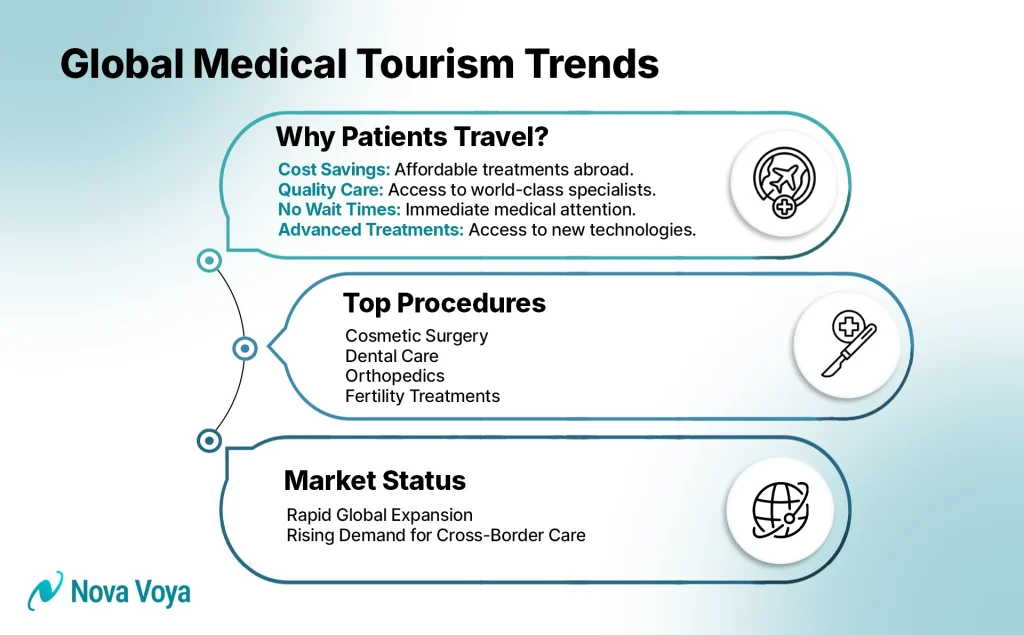
1. Decoding Patient Motivations: Why Do They Travel for Care?
Understanding the core drivers behind a patient’s decision to travel abroad is the first step in crafting a compelling message. Key motivations typically include:
- Access to Higher Quality Care: Many patients seek out centers of excellence known for specific specialties, advanced technology, or renowned physicians that may not be available in their home country.
- Significant Cost Savings: For procedures not covered by insurance, such as cosmetic surgery or extensive dental work, the potential for 40-70% savings is a powerful incentive.
- Avoiding Long Wait Times: National health systems in countries like Canada or the UK can have extensive wait times for non-urgent procedures, prompting patients to look for faster alternatives abroad.
- Access to Specialized Procedures: Patients often travel for innovative treatments, such as specific fertility methods, regenerative medicine, or specialized surgeries not yet approved or widely available in their region.
2. Identifying High-Potential Markets and Patient Profiles
A “one-size-fits-all” approach is ineffective. To maximize return on investment (ROI), you must pinpoint the specific markets and patient types that align best with your services.
- Start with an Internal Audit: What are your clinic’s key strengths? Do you excel in orthopedics, cardiology, or aesthetic medicine? Your top-performing services should guide your market selection.
- Conduct Market Research: Identify countries where demand for your specializations is high, but access is limited, or costs are prohibitive. For instance, a dental clinic might target the US and Canadian markets, while a fertility center could find high potential in certain European or Middle Eastern countries.
- Create Patient Personas: Develop detailed profiles of your ideal international patient. Consider their age, nationality, motivations, concerns, and the digital channels they use to research healthcare options. This allows you to tailor your marketing messages directly to their needs.
3. Overcoming Key Barriers to Build Trust
For an international patient, choosing a clinic abroad is a high-stakes decision. Your marketing must proactively address their concerns and overcome critical barriers to build unshakable trust.
- The Credibility Barrier: Patients need proof of quality and safety. Showcase international accreditations (e.g., The International Society for Quality in Health Care (ISQua)), physician credentials, advanced technology, and transparent success rates. Authentic patient testimonials are your most powerful tool here.
- The Communication Barrier: Language and cultural differences can create anxiety. Offer a multilingual website, provide dedicated patient coordinators who speak the patient’s language, and ensure all marketing materials are culturally sensitive and professionally translated. Further details can be found in the article, “Overcoming Language and Cultural Barriers in Cross-Border Healthcare.”
- The Logistical Barrier: The complexity of travel, accommodation, and post-operative care can be overwhelming. Simplify the process by offering end-to-end patient support packages that include airport transfers, hotel booking assistance, and clear pre- and post-op instructions.

Building a Strong Global Brand Presence
Your brand is your promise to an international patient. It’s what differentiates you from competitors and builds the foundational trust needed for a patient to travel across the globe for your services. Below, we’ll explore the essential components of creating a powerful global brand presence that resonates with and attracts these patients.
1. Developing a Unique Value Proposition for International Patients
Why should a patient choose your clinic over one in their home country or another medical tourism destination? Your Unique Value Proposition (UVP) must answer this question clearly and compellingly. It should highlight:
- Clinical Excellence: Emphasize your accreditations (e.g., DHA), physician credentials, advanced technology, and success rates.
- Cost Savings: If applicable, transparently communicate the potential cost savings without compromising the message of quality.
- Patient Experience: Detail your end-to-end service, including airport transfers, translation services, accommodation assistance, and personalized care coordinators.
- Unique Location Benefits: Promote the appeal of your destination for recovery and tourism.
2. Creating Multilingual and Culturally Sensitive Content
To connect with a global audience, you must speak their language, both literally and figuratively.
- Website and Landing Pages: Your website, the cornerstone of your digital marketing for medical tourism, must be professionally translated and localized for your target markets. This goes beyond just text to include culturally appropriate imagery and currencies.
- Marketing Materials: Brochures, emails, and social media content should be adapted for each region. Avoid direct translations that might lose meaning or sound unnatural.
- Cultural Nuances: Be mindful of cultural norms. Colors, symbols, and communication styles can have different meanings across the world. For instance, an informal tone that works in North America might be perceived as unprofessional in parts of Asia.
3. Showcasing Patient Success Stories and Testimonials
Authentic patient stories are your most powerful marketing tool. They build immediate trust and provide the social proof potential patients are looking for.
- Video Testimonials: A video of a happy patient sharing their experience is incredibly persuasive. Capture their entire journey, from their initial concerns to their successful recovery.
- Before-and-After Galleries: For cosmetic, dental, and dermatological procedures, high-quality, professional before-and-after photos are essential.
- Written Reviews and Case Studies: Feature detailed case studies on your website and encourage patients to leave reviews on trusted third-party platforms like Google and Trustpilot.

Digital Marketing Tactics for Medical Tourism
A robust digital presence is non-negotiable for international patient acquisition. You need to be visible where your potential patients are actively searching for information and solutions. In the following sections, we will delve into the specific digital tactics that form the pillars of a successful online strategy.
1. Search Engine Optimization (SEO) and Localized GEO Targeting
When a patient in Australia searches for “the best dental implants in Thailand,” you want your clinic to appear at the top. Achieving this requires a strategic approach focused on the following key areas:
- International Keyword Research: Identify the search terms potential patients use in their native language. Tools like Ahrefs and SEMrush can help you discover keywords for different countries.
- Geo-Targeted Landing Pages: Create specific landing pages for top target countries (e.g., https://www.yourclinic.com/ca for Canada). These pages should feature relevant content, testimonials from that region, and pricing in the local currency.
- Multilingual SEO: Implement hreflang tags on your website to tell Google you have different language versions of a page, ensuring the right version is shown to the right user.
2. Leveraging Social Media and Video Marketing
Social media allows you to build a community and showcase the human side of your brand.
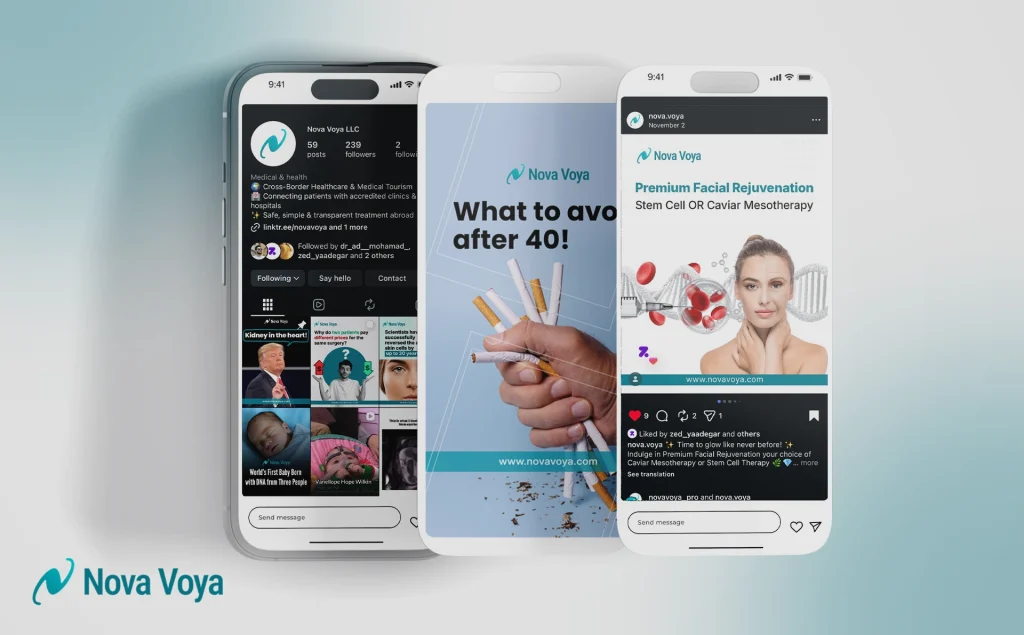
- Platform Selection: Choose platforms based on your target demographic. Instagram and TikTok are powerful for visual procedures like cosmetic surgery, while Facebook is excellent for building patient support groups and sharing detailed information.
- Content Strategy: Share behind-the-scenes content, doctor Q&As, patient testimonials, and educational posts about your procedures. Use high-quality visuals and videos to capture attention.
- Targeted Ads: Utilize the powerful targeting options of social media platforms to run ads based on location, language, interests (e.g., “wellness” or “cosmetic surgery”), and online behavior.
3. Using Paid Ads and Retargeting Campaigns
Paid advertising provides immediate visibility and drives qualified traffic to your website.
- Google Ads: Run search ad campaigns targeting users in specific countries who are actively searching for your procedures. Use ad copy in their native language and direct them to a relevant landing page.
- Display Ads: Use visually compelling display ads on websites and forums related to healthcare and travel.
- Retargeting: This is crucial. A patient may visit your site several times before making a decision. Retargeting campaigns show your ads to these previous visitors as they browse other sites, keeping your clinic top-of-mind.

In addition to these strategies, partnering with specialized platforms can significantly enhance your results. For example, platforms like Nova Voya offer professional digital marketing services specifically tailored for medical tourism. Their services include Marketing & Growth Support, patient acquisition, premium branding, and performance programs, which can streamline and amplify your efforts to attract international patients. For requesting marketing support, click here.
Strategic Partnerships and Networking
You cannot reach a global audience alone. Strategic partnerships are essential for extending your reach and building credibility in new markets. In the following sections, we will explore the key types of partnerships that can accelerate your growth.
1. Collaborating with Medical Tourism Platforms and Facilitators
Medical tourism facilitators and agencies like Nova Voya are a primary source of patient referrals. They have an established client base and act as trusted intermediaries.
- Identify and Vet Partners: Research reputable facilitators who specialize in your medical niche and target regions.
- Build Strong Relationships: Treat facilitators as true partners. Provide them with comprehensive marketing materials, transparent pricing, and exceptional service for their clients.
2. Participating in International Health Expos and Conferences
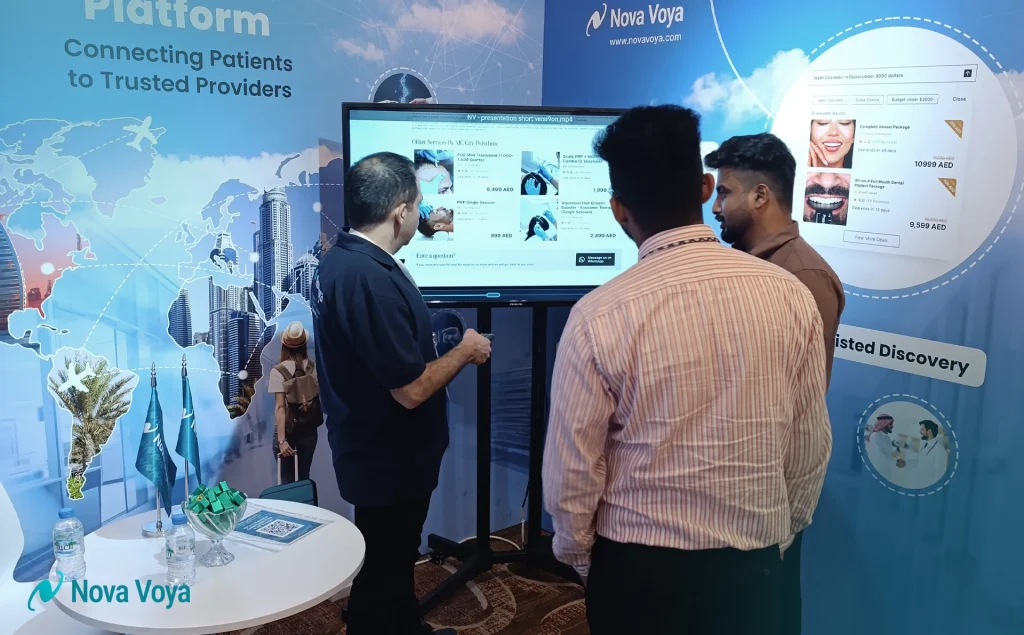
These events are invaluable for networking and direct patient engagement.
- Industry Events: Attend medical tourism conferences to connect with facilitators, insurance companies, and other industry professionals.
- Consumer Health Fairs: Exhibiting at health and wellness expos in your target countries allows you to meet potential patients face-to-face, answer their questions, and build personal connections.
3. Building Relationships with Overseas Referral Partners
Develop a network of referral partners in your key markets. This can include:
- Local Physicians and Clinics: Establish relationships with doctors who can refer patients to you for specialized procedures not available locally.
- Corporate Partners: Collaborate with large corporations that may have expatriate employees or offer medical travel as part of their health benefits.
Measuring and Optimizing Marketing Efforts
Effective marketing is data-driven. In the competitive landscape of medical tourism, relying on guesswork is a recipe for wasted resources. Instead, you must continuously measure your performance to gain clear insights into what works, what doesn’t, and why. This data-centric approach allows you to optimize your campaigns in real-time, ensuring every marketing dollar is spent effectively to maximize your return on investment. In the following sections, we will delve into the key performance indicators you should track, how to use analytics to refine your strategies, and methods for scaling your most successful efforts across different markets.
Key Performance Indicators (KPIs) for International Patient Acquisition
Track these metrics to gauge the health of your marketing strategy:
- Website Traffic by Country: Which regions are driving the most visitors?
- Lead Conversion Rate: What percentage of website visitors from a specific country submit an inquiry or book a consultation?
- Cost Per Lead/Acquisition (CPL/CPA): How much does it cost to acquire a lead and a confirmed patient from each marketing channel?
- Patient Origination Reports: Track which channels (e.g., Google search, Facebook ad, facilitator referral) are generating the most patients.
Using Analytics to Refine Campaigns
Your website and ad platform analytics are a goldmine of information.
- Analyze User Behavior: Use tools like Google Analytics to see which pages international visitors spend the most time on and where they drop off.
- A/B Test Everything: Continuously test different ad copy, landing page designs, and calls-to-action to see what resonates best with different audiences.
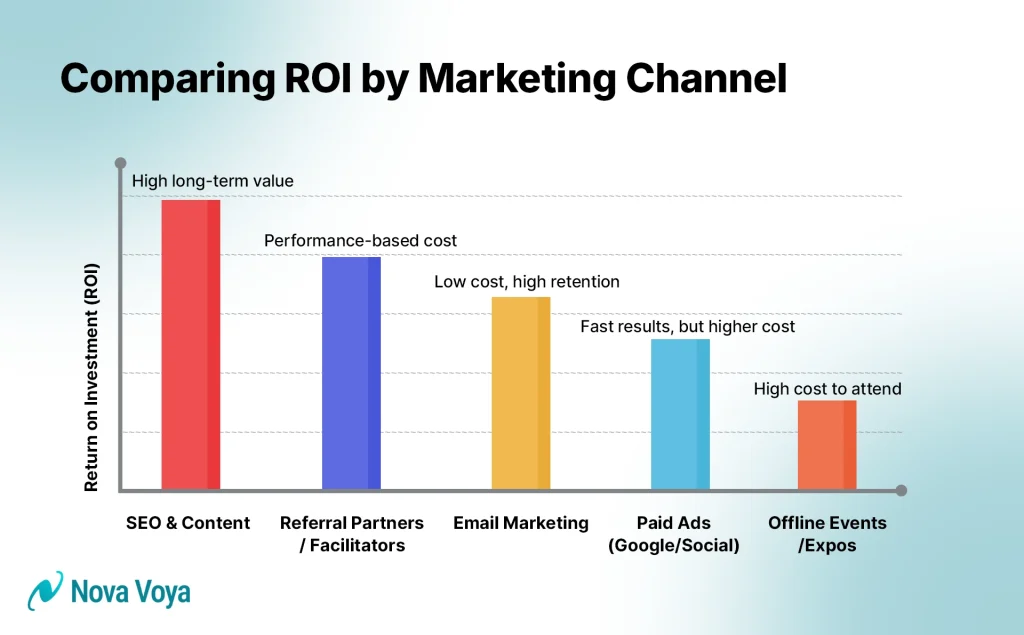
- Optimize for High-Performing Channels: If you discover that Instagram ads are generating high-quality leads from the UAE at a low cost, double down on that channel. If a partnership with a facilitator isn’t yielding results, re-evaluate that relationship.
Scaling Successful Strategies Across Markets
Once you have a winning formula in one market, you can adapt and scale it to others. If a specific webinar or content offer was highly successful in attracting patients from the UK, create a localized version for the Australian market. This systematic, data-driven approach allows for efficient and sustainable global growth.
Conclusion
Attracting international patients in today’s competitive medical tourism market requires a multifaceted, strategic approach. It begins with a deep understanding of the market and the creation of a strong, trustworthy global brand. This foundation must be supported by a sophisticated digital marketing for medical tourism engine, leveraging SEO, social media, and paid advertising to reach potential patients where they are. Finally, strategic partnerships and a relentless focus on data and optimization are what will separate thriving global healthcare providers from the rest.
By implementing these marketing strategies to attract international patients, you can effectively expand your reach, increase your patient volume, and solidify your reputation as a leading destination for world-class medical care.
Ready to boost your global patient reach? Contact us to schedule a marketing consultation today!
What is the biggest challenge your clinic faces in attracting international patients? Share your thoughts in the comments below!
Frequently Asked Questions
Key strategies are a multilingual website with international SEO, geo-targeted social media ads, patient video testimonials, and strong partnerships with medical tourism facilitators.
Build trust by showcasing international accreditations, surgeon credentials, authentic patient reviews, and providing seamless communication with dedicated patient coordinators.
Communicating in a patient’s native language builds trust and makes information accessible, which directly improves engagement and increases conversion rates.
A multi-channel approach is best: SEO to capture active searchers, social media for brand building, Google Ads for immediate visibility, and partnerships for direct leads.
Measure success by tracking KPIs like website traffic by country, lead conversion rates, cost per patient acquisition, and overall marketing ROI using analytics tools.