
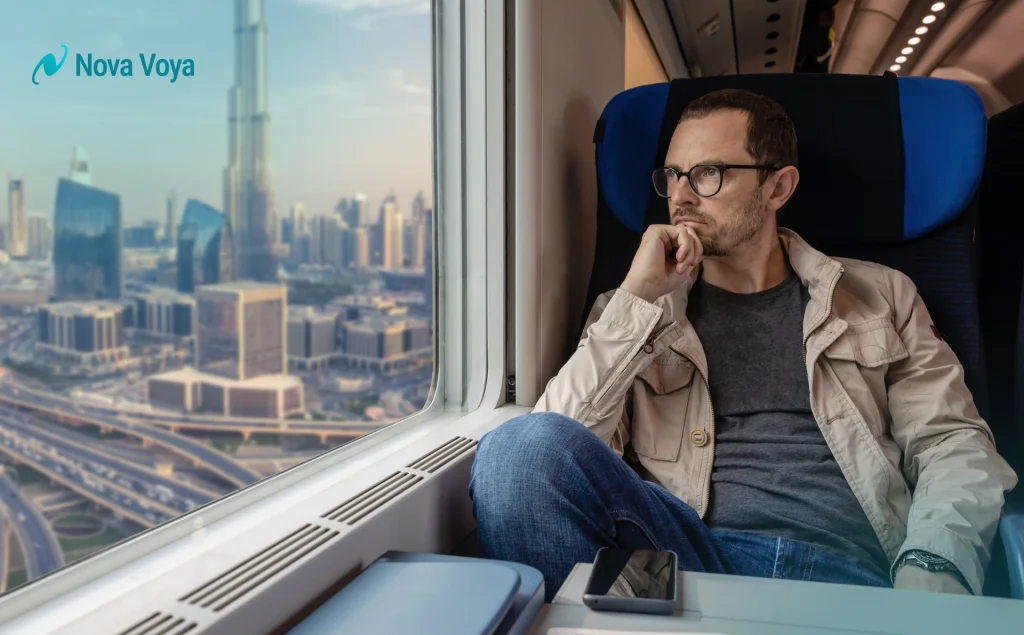
Landing in a new country for medical treatment brings a mix of excitement and nerves. You’ve got appointments to track, a budget to watch, and a new city to navigate. The good news? Dubai’s public transport is genuinely world-class, clean, safe, and surprisingly easy to use. Whether you’re here for a dental implant or a cosmetic procedure, getting from A to B doesn’t need to be a headache.
A lot of international patients worry about the logistics. Is the metro confusing? Is it wheelchair-friendly? Can I save cash without being uncomfortable? We’ve put this guide together specifically for you. While Dubai loves its cars, the Metro and bus network is a fantastic way to save money, cash you’d probably rather spend on your recovery or a nice meal out.
TL;DR – Key Takeaways
- The Dubai Metro is driverless, automated, and connects straight to Airport Terminals 1 and 3.
- You need a Nol Card for the Metro, Bus, or Tram; Silver is best for general use, while Gold gets you a more comfortable seat.
- For immediate post-op travel, stick to taxis (Careem, Uber, or Hala) for door-to-door service.
- The system is super accessible, with lifts and dedicated spots for patients with mobility issues.
- Strict rule: No eating or drinking on board. Yes, that includes water.
- Gold Class cabins offer leather seats and extra space, which is worth the upgrade if you need a calm environment.
Is public transport in Dubai expensive for medical tourists?
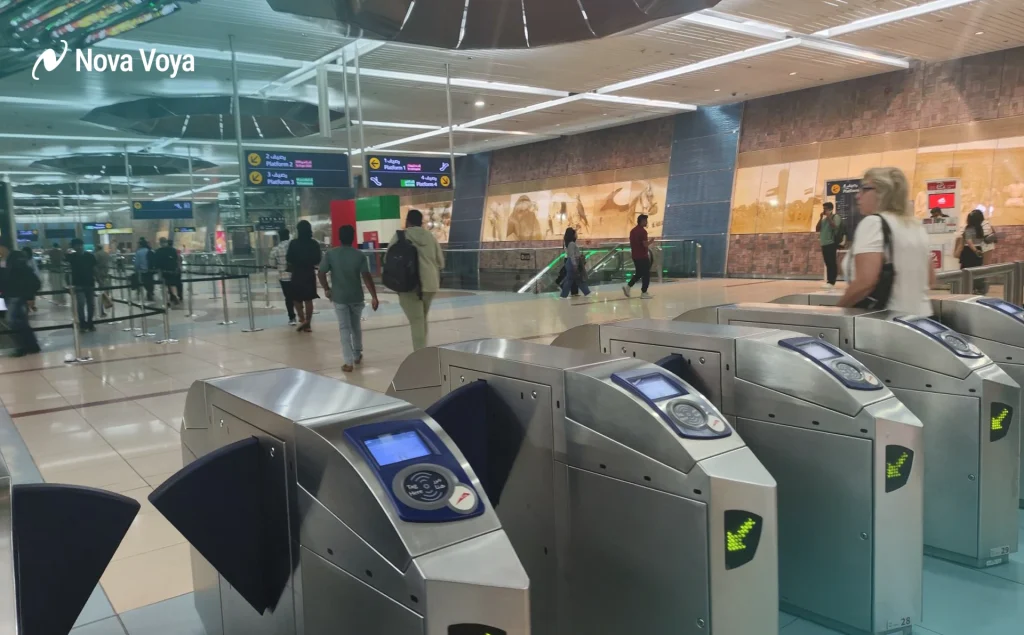
Not at all. Compared to the US or Europe, it’s incredibly cheap. A standard hop costs about 3 AED ($0.82), and even crossing the whole city rarely goes over 10 AED ($2.75). That leaves more of your budget for your actual treatment.
To ride the bus, tram, or metro, you’ll need a Nol Card. It works just like an Oyster card in London or a MetroCard in New York. Cash isn’t accepted on board, but you can grab a card at any metro station, ticket machine, or even supermarkets like Carrefour and Spinneys.
For most patients staying a week or so, the Silver Nol Card is your best bet. It’s 25 AED to start (with 19 AED credit ready to use). If you want a bit more comfort—maybe to guarantee a seat after a tiring clinic visit—go for the Gold Nol Card. It costs the same upfront, but the fare per trip is about double. In return, you get the Gold Class carriage with leather seats and way more personal space.
2026 Nol Card Fare Estimates
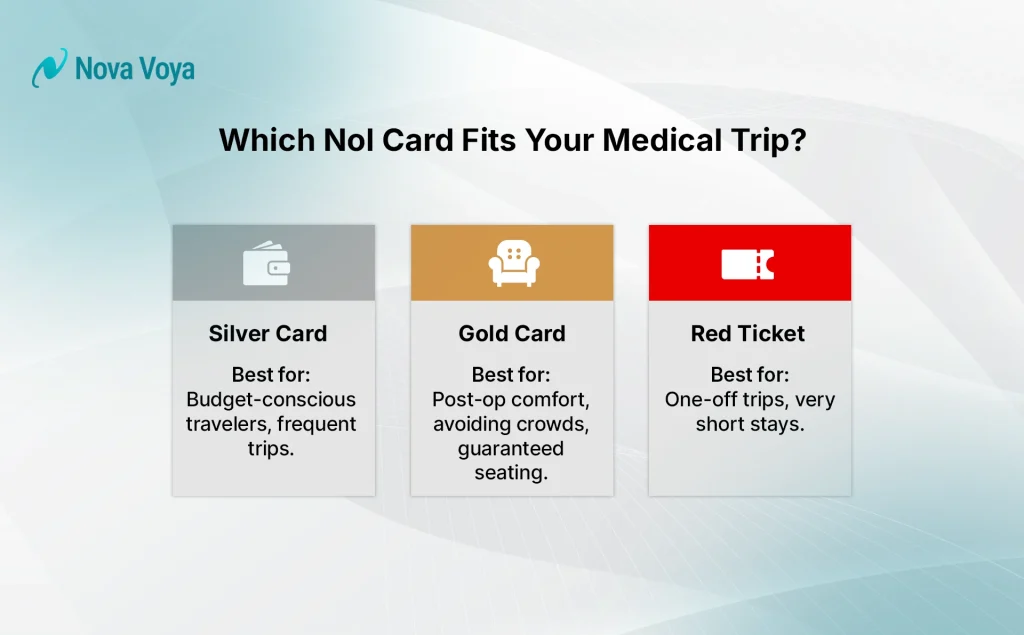
| Ticket Type | 1 Zone (<3km) | 2 Zones | 3+ Zones |
| Standard (Silver Card) | 3 AED | 5 AED | 7.50 AED |
| Gold Class (Gold Card) | 6 AED | 10 AED | 15 AED |
| Red Ticket (Single Use) | 4 AED | 6 AED | 8.50 AED |
Heads up: Prices can change, so always double-check the station boards for the latest info from the RTA.
Taxi vs. Metro: Which is better for post-op recovery in Dubai?

It really depends on how you’re feeling. Immediately after surgery, take a taxi. It’s safer and far more comfortable. Once you’re recovering and moving around better, the Metro is a great, wallet-friendly option.
Dubai medical tourism is top-tier, but the heat and the size of the city can be draining. The Metro is fantastic, but reaching the platform often involves a fair bit of walking through long stations. If you’ve just had a procedure that makes walking difficult, that 15-minute trek to the train might be too much.
For the first few days post-op, we strongly suggest taxis. You can flag down the cream-colored cars on the street or book via apps like Careem, Uber, or S’hail. A standard street pickup starts around 12 AED.
Taxi Options to Know:
- Ladies Taxi: Look for the pink roof. These are driven by women, for women and families, great if you’re traveling solo and want that extra layer of comfort.
- Airport Taxi: These have a higher starting fare (25 AED) but plenty of room for luggage.
- Hala Taxi: This lets you book a regular Dubai taxi through the Careem app, combining the lower street price with the ease of booking on your phone.
Is the Dubai Metro safe and accessible for patients?
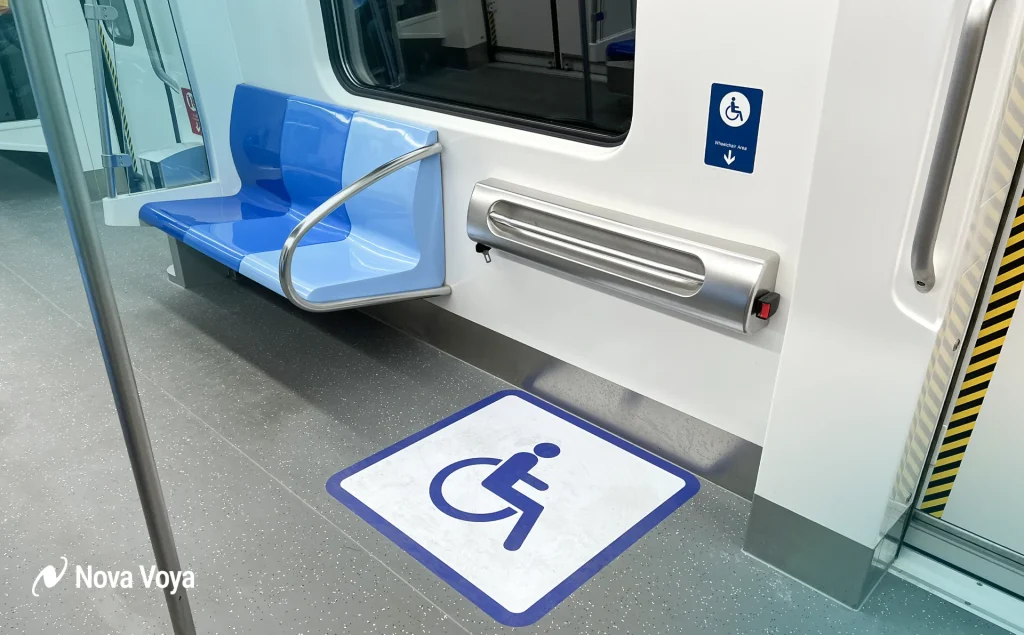
Absolutely. The Dubai Metro is designed with accessibility in mind. You’ll find dedicated spots for wheelchairs, tactile paths for visual guidance, and priority seating for anyone with medical needs.
Safety is huge here. The trains are driverless, fully air-conditioned, and monitored by CCTV. If hygiene is a concern for you post-procedure, you’ll be happy to know the stations are spotless. To keep them that way, eating and drinking are strictly banned.
Getting Your Bearings:
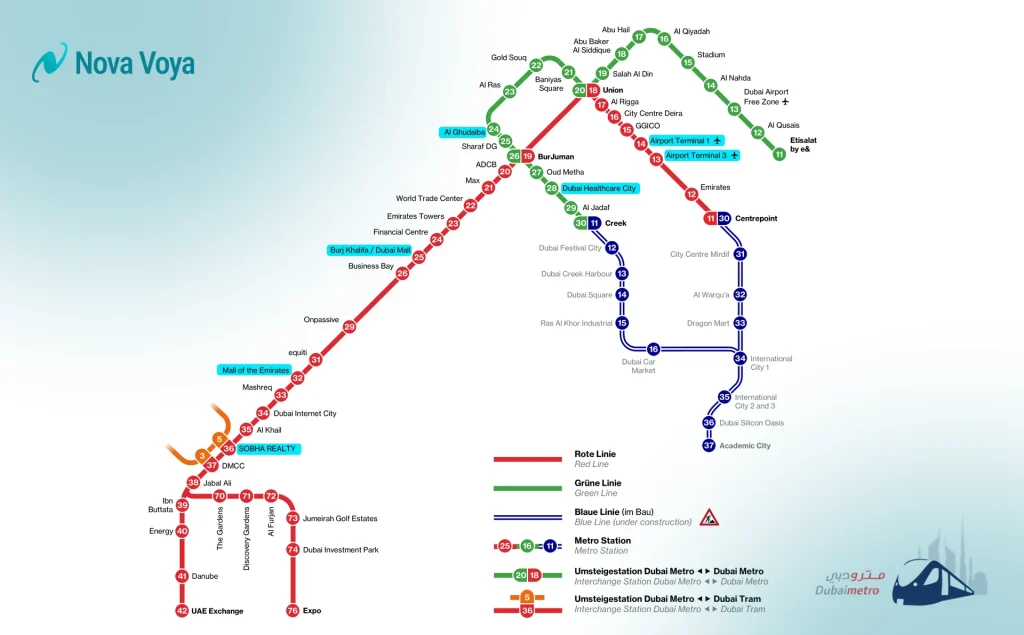
- Red Line: This is the big one. It runs down Sheikh Zayed Road, connecting Dubai International Airport (Terminals 1 & 3) to spots like the Burj Khalifa and Dubai Marina. Most major clinics and hotels sit along this route.
- Green Line: This loops around the older, historic parts of town like Deira. It’s the line to take if you’re exploring the souks.
If you’re looking into health tourism in UAE, it’s a relief to know you don’t need to rent a car. There are also cabins just for Women & Children, offering a more private space if you prefer it.
What are the hidden rules you must know to avoid fines in Dubai?
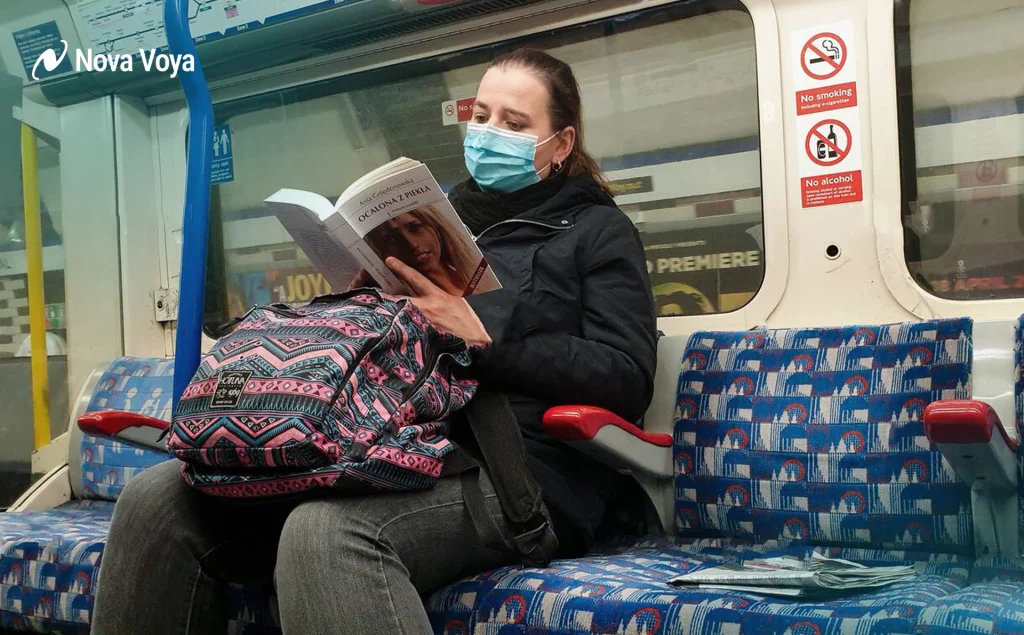
There are some strict etiquette rules here. Eating, drinking (yes, even a sip of water), and chewing gum are not allowed on trains or buses. Fines start at 100 AED, and they do enforce them.
It sounds strict, but it keeps the transport network incredibly clean. As a patient, you might have water or meds with you—just remember to take them before you hop on or after you get off. Don’t risk the fine inside the cabin.
Quick Tips to Avoid Trouble:
- Watch Your Cabin: Don’t stand in the Gold Class area without a Gold ticket (that’s a ~100 AED fine). Also, men shouldn’t enter the Women & Children cabin.
- Luggage: Use the designated luggage racks. Try not to block the aisles with your bags, especially during the rush (6:00–8:30 AM and 5:00–7:00 PM).
- Resting: You can close your eyes on the train, but sleeping at the stations isn’t allowed.
Discover Premium Medical Packages in Dubai 💎
Experience a seamless recovery journey. Nova Voya curates comprehensive health bundles with top-rated facilities, combining advanced medical treatments with luxury logistics designed strictly for international patients.
*All packages are strictly vetted for safety and compliance with DHA regulations.
Frequently Asked Questions
Yes, the Red Line goes straight to Terminal 1 and 3. It’s the cheapest way to get to Downtown or the Marina, as long as you can manage your luggage easily.
Yes, Uber works here. However, Careem is the local favorite and often has more cars available. You can also use S’hail to book regular taxis.
You need a Nol Card. Buses don’t take cash. Just tap your card when you get on and tap it again when you get off to pay the right fare.
Definitely. Every station has elevators from the street to the platform, and the trains have clear spaces for wheelchairs.
Usually, trains run from 5:00 AM until midnight. On Fridays, they often go until 1:00 AM. Just keep an eye out for changes during holidays or Ramadan.