
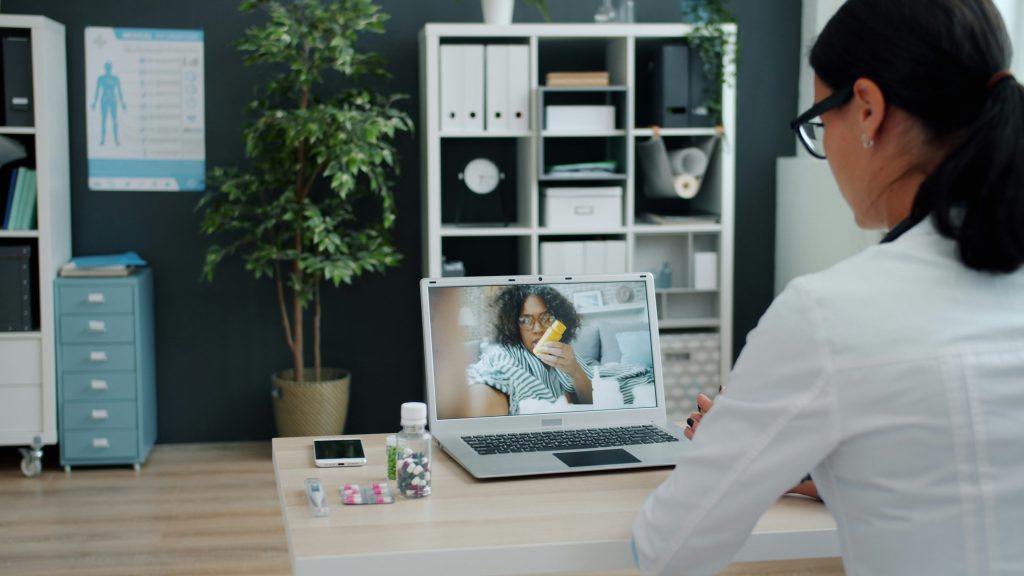
Medical tourism is on the rise and offers patients access to world-class treatments abroad. Yet, one challenge remains: distance. How can patients connect with foreign doctors before traveling or ensure proper follow-up care once they return home?
Say hello to telemedicine in medical tourism!
Through virtual pre-consultations and post-treatment follow-ups, patients gain peace of mind and a smoother journey.
Curious how it works? Let’s dive in.
What You Will Learn:
- Telemedicine makes medical tourism easier with virtual consults and follow-ups.
- It improves preparation, lowers costs, and ensures better care.
- Challenges like language and tech access can be solved by providers.
- Countries worldwide already use it, and future tech will make it even smoother.
- The Definition of Telemedicine in Medical Tourism
- What Is Telehealth? Is It Different from Telemedicine?
- Why Is Telemedicine Useful in Medical Tourism?
- Challenges of Telemedicine in Medical Tourism
- How Can Medical Tourists Use Telemedicine?
- Global Examples of Telemedicine in Medical Tourism
- Future of Telemedicine in Medical Tourism
- Conclusion
- Frequently Asked Questions
The Definition of Telemedicine in Medical Tourism
Telemedicine in medical tourism means using digital tools to deliver health care across long distances. It enables patients abroad to talk with doctors via video and share medical history online, helping them decide where and when to travel.
After treatment, telemedicine lets patients check in virtually. They send updates, show wounds, report symptoms, all without being in the same place as the doctor.
Telemedicine also helps foreign clinics stay connected with patients once they return home, which eases travel stress and ensures continuous care. In short, telemedicine in medical tourism brings medical experts home to patients, even when the hospital is in another country.
What Is Telehealth? Is It Different from Telemedicine?
Telehealth is a broad term that covers using technology to deliver health services at a distance. That includes video or phone calls with doctors, sending lab reports online, remote patient monitoring, health education, and even administrative tasks.
Telemedicine in medical tourism is a part of telehealth that focuses only on the clinical side, such as diagnosing, treating, and following up with patients. It is about the medical care you get without being in the same location as your doctor.
So we can say that all telemedicine is telehealth, but not all telehealth is telemedicine!
Seeking World-Class Medical Care in Dubai? 🏥
Nova Voya helps international patients seamlessly navigate advanced healthcare in Dubai. We connect you with top-tier medical specialists and accredited hospitals tailored precisely to your unique healthcare needs, ensuring a smooth, safe, and stress-free medical journey.
- ✔ Personalized matching with leading medical experts and premier facilities
- ✔ Full support with medical coordination, second opinions, and logistics
- ✔ Independent, honest guidance focused entirely on your health goals
*Medical tourism guidance, not clinical advice
Why Is Telemedicine Useful in Medical Tourism?
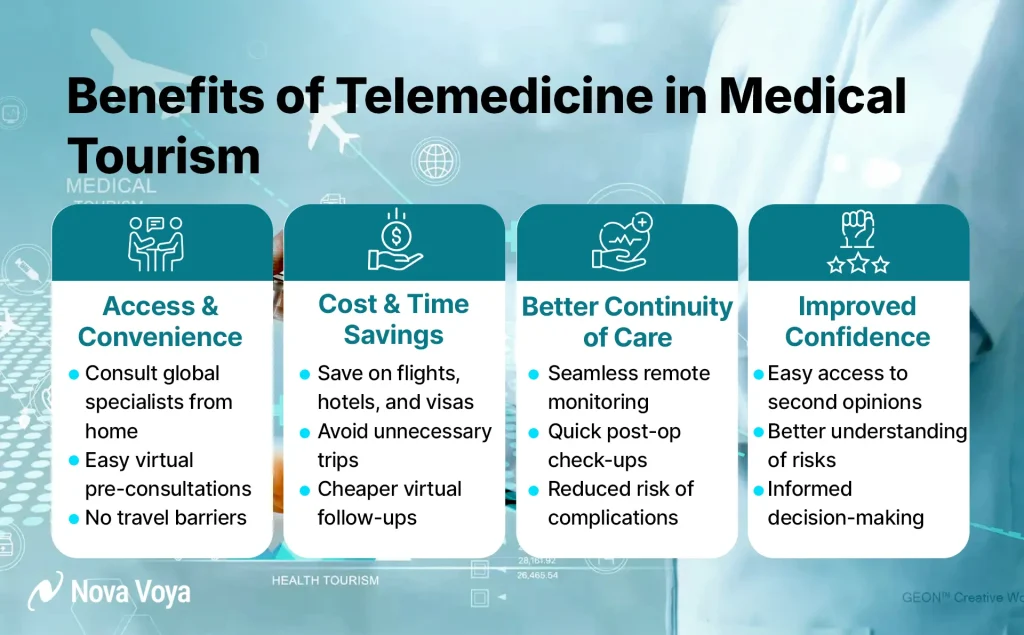
Telemedicine significantly improves the medical tourism experience by increasing access, saving costs, and ensuring better follow-up care. It changed the world of medical tourism and grew significantly during the COVID-19 pandemic.
Let’s take a deeper look at the benefits of telemedicine in medical tourism.
Increased Access and Convenience
Telemedicine in medical tourism lets patients reach specialists abroad without leaving home. They can arrange virtual pre-consultations to review their condition, discuss treatment options, and make informed choices before committing to travel.
This reduces uncertainty and makes the decision-making process much easier. For many, especially those in remote areas or with mobility challenges, this convenience removes major barriers.
Cost and Time Savings
Traveling abroad for medical treatment is expensive, of course. It is not only about the procedure itself but also about flights, accommodation, visas, and time off work.
Using virtual consultation before the trip helps narrow down options, clarify prices, and avoid unnecessary travel. After treatment, virtual follow-up reduces the cost and time associated with in-person check-ups back at the destination.
Better Continuity of Care
Many complications in medical tourism come from a lack of follow-up once patients return home. Telemedicine in medical tourism supports virtual follow-up and remote patient monitoring, ensuring that recovery stays on track.
Doctors abroad can check on wounds, symptoms, or test results and act quickly if something seems wrong. This ongoing care helps patients recover better and lowers the chance of complications or needing to go back to the hospital.
Improved Patients Confidence
Telehealth empowers patients to make informed decisions about their healthcare. By facilitating virtual second opinions, patients can consult with specialists from the comfort of their homes, gaining diverse perspectives on their conditions. This access to expert advice helps patients feel more assured in their treatment choices.
Additionally, telehealth consultations provide more time for patients to discuss their diagnosis, understand potential risks, and learn about recovery timelines and costs.
Challenges of Telemedicine in Medical Tourism
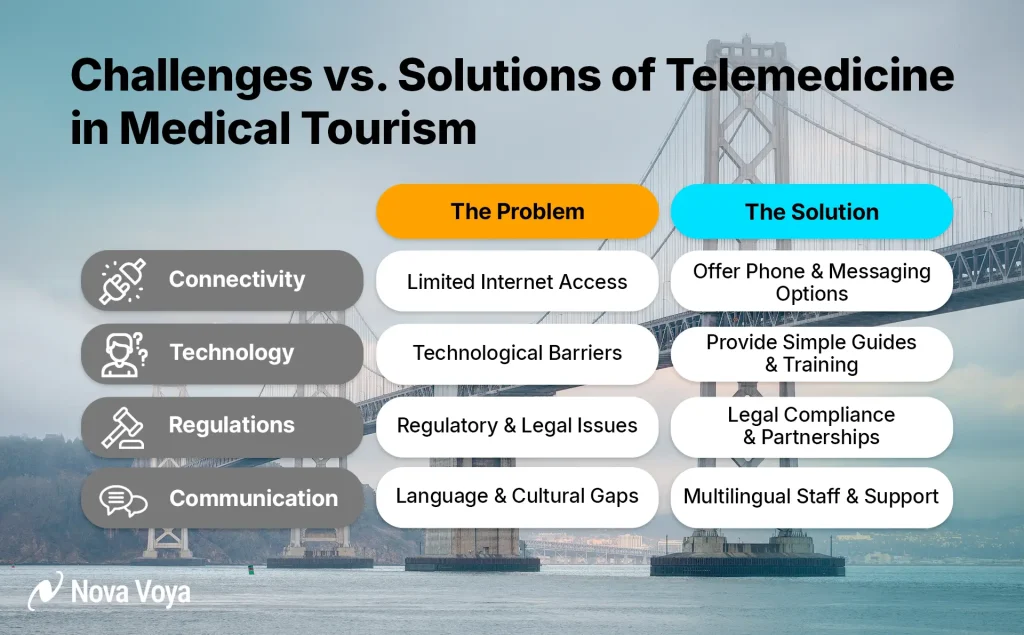
Like any innovation, telemedicine presents challenges related to technology, regulation, and communication, which providers must address. Keep reading to see what you might face and how to handle it.
Limited Internet Connectivity
Reliable internet access is crucial for telemedicine in medical tourism. In some regions, especially rural or underserved areas, patients may experience poor connectivity, leading to disruptions during virtual consultations.
Providers can offer alternative communication methods, such as phone consultations or messaging, to help patients with limited internet access. Additionally, clinics can collaborate with local internet service providers to improve connectivity in these areas.
Technological Barriers
Not all patients are familiar with digital health tools, which can limit their ability to engage in telemedicine effectively. In this case, healthcare providers can offer training sessions or user-friendly guides to help patients navigate telemedicine platforms.
Regulatory and Licensing Issues
Different countries have varying regulations about telemedicine in medical tourism, which can complicate cross-border virtual care and follow-ups.
Medical tourism facilitators should work with legal experts to navigate international regulations and ensure compliance. Establishing partnerships with licensed providers in both the patient’s home country and the destination country can also ease the process.
Cultural and Language Differences
Language and Cultural Barriers in Cross-Border Healthcare affect communication between patients and healthcare providers. This challenge potentially impacts the quality of care.
Using staff who understand different cultures helps improve communication. Also, offering support in multiple languages on telemedicine platforms makes patients feel more comfortable and satisfied.
Not Sure Which Specialist in Dubai Is Right for You? 🏥
Nova Voya helps international patients navigate advanced medical care in Dubai, connecting you with top-tier specialists. We match you with surgeons and hospitals that are genuinely equipped for your specific medical needs, not just ones that list them on a website.
- ✔ Personalized matching with leading experts
- ✔ Support coordinating appointments, second opinions, and hospital logistics
- ✔ Independent guidance on procedure options
*Medical tourism guidance, not clinical advice
How Can Medical Tourists Use Telemedicine?
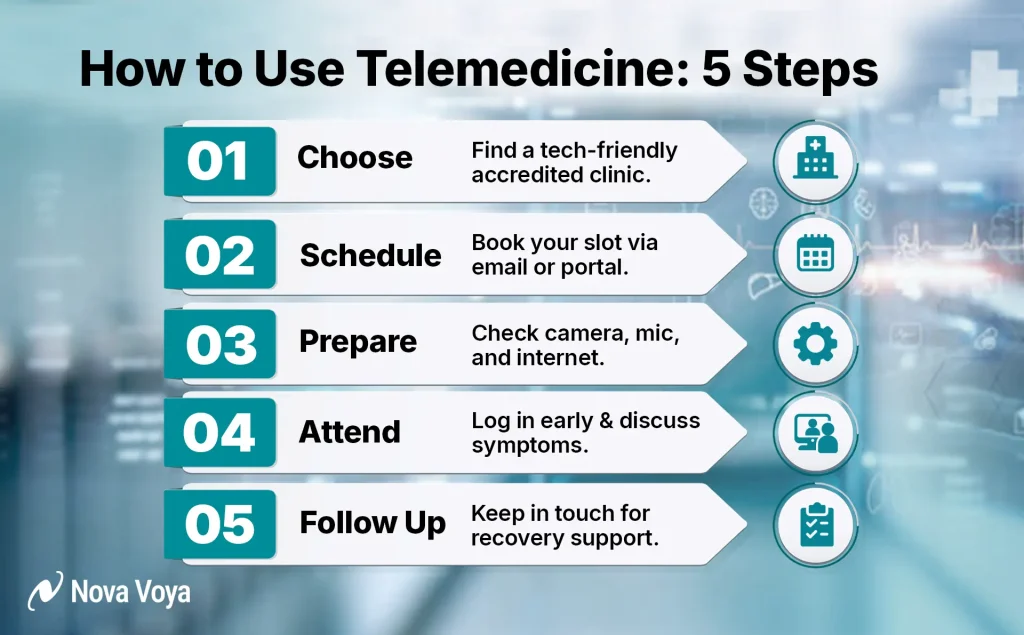
Now that you are familiar with telemedicine in medical tourism, let’s follow a 5-step guide on how to use this virtual service.
1. Research and Choose a Telehealth-Friendly Clinic
- Look for medical tourism providers that offer virtual consultations and follow-up care.
- Ensure the clinic has international accreditation and positive patient reviews.
- Confirm that the clinic’s telehealth platform is fine with your device and internet connection.
2. Schedule a Virtual Consultation
- Reach out via email, phone, or their website to schedule an appointment.
- Share relevant medical records and information as requested.
- Ensure you receive a confirmation with the date, time, and platform details.
3. Prepare for the Consultation
- Ensure your device, camera, microphone, and internet connection are working properly.
- Choose a quiet, well-lit space for the consultation.
- Prepare any questions or concerns you want to discuss during the appointment.
4. Attend the Virtual Consultation
- Log in a few minutes early to resolve any technical issues.
- Discuss your symptoms, medical history, and concerns openly.
- Record important information and instructions from the healthcare provider.
5. Follow Up as Needed
- If recommended, book follow-up consultations or tests.
- Keep track of your symptoms and recovery progress.
- Maintain communication with the clinic for ongoing support and guidance.
Global Examples of Telemedicine in Medical Tourism
Many leading countries, including Singapore, Germany, the UAE, and France, are integrating telemedicine to enhance their medical tourism services. These countries are actively adopting telehealth.
Patients can have online consultations before traveling, receive tests while in the country, and have follow-up appointments remotely after returning home. This approach makes healthcare more convenient, saves on travel expenses, and ensures continuous care.
For example, Seha Virtual Hospital is the world’s largest virtual hospital, and it is established in Saudi Arabia. This hospital offers remote medical care to patients using video consultations and monitoring devices
Seha provides 44 specialized services and enables non-urgent care through virtual means. This approach has improved patient outcomes and facilitated knowledge transfer between virtual and traditional clinical staff.

Future of Telemedicine in Medical Tourism
By the end of 2025, telemedicine will transform medical tourism by making healthcare more accessible and continuous. Virtual consultations allow patients to plan treatments and follow-ups remotely and reduce the need for extended stays abroad.
Digital health records enable seamless sharing of information across borders and ensure coordinated care. Emerging technologies like AI, remote robotic surgery, and wearable devices will further personalize and streamline healthcare delivery.
This digital transformation promises more accessible, efficient, and patient-centered medical tourism experiences worldwide.
Conclusion
Telemedicine is reshaping medical tourism by offering accessible, efficient, and personalized healthcare experiences. From pre-travel consultations to post-treatment follow-ups, virtual care bridges geographical gaps and guarantees continuity and convenience.
As technology advances, telemedicine in medical tourism is becoming more important in healthcare worldwide. Explore our services for a smooth medical journey with expert care and easy virtual consultations. We will guide you through every step of your medical tourism experience.
Unlock Exclusive Medical Packages 💎
Plan your treatment with confidence. Nova Voya partners with Dubai’s top-tier clinics to provide all-inclusive health bundles designed for international patients.
*All packages are vetted for safety and compliance with DHA regulations.
Frequently Asked Questions
Telemedicine in medical tourism allows patients to consult with healthcare providers remotely. It eases pre-treatment planning and post-operative follow-ups without the need to travel.
Contact the medical facility that offers telehealth services, provide necessary medical records, and coordinate a suitable time for the virtual consultation.
Yes, most telemedicine platforms use encrypted communication channels to ensure the confidentiality and security of patient data.
While telehealth is effective for consultations and follow-ups, urgent issues still require in-person visits for better care.


I just read this take on how telemedicine is shaking up the world of medical tourism, and it’s honestly a breath of fresh air. Instead of letting long distances and travel stress get in the way, patients can now hop on a video call with specialists before they even pack their bags. That means better planning, fewer surprises, and more confidence in your choices—especially if you’re comparing treatment options or checking in after a procedure. It’s like having your doctor in your pocket, ready to guide you every step of the way.
What I really liked is how this isn’t just about convenience—it actually connects the dots in care. You can get clarity on costs and expectations ahead of time, and continue follow‑ups from home without spending extra on flights or appointments abroad. That continuity of care is a game changer, especially for people who might be nervous about recovery or complications once they’re back home.
Spot on! Telemedicine has turned what used to be a stressful journey into a well-coordinated experience. That ‘breath of fresh air’ you mentioned is exactly what patients need when navigating healthcare abroad. Thank you for reading and for the great feedback!