

The healthcare landscape has fundamentally shifted. Today’s patient is a more informed consumer, expecting the same seamless, personalized service they receive from retail or financial services. This expectation has moved the focus beyond clinical outcomes to the entire patient journey, making enhancing the patient experience a top strategic priority for every healthcare organization.
Why is this so critical? Simply put, a superior experience improves everything: patient engagement strategies become easier to implement, loyalty increases, outcomes improve, and your medical practice’s reputation management becomes proactive rather than reactive.
Key Takeaways: What You’ll Learn
- The modern patient journey is a connected cycle, and a single poor touchpoint can derail loyalty and outcomes.
- Enhancing the patient experience starts with mastering the “first impression”, making every inquiry prompt, empathetic, and effortless.
- Digital patient experience tools, such as CRM systems and patient portals, are no longer optional; they are essential for seamless service.
- The secret to long-term loyalty lies in patient follow-up best practices, personalized outreach, and the use of feedback for continuous improvement.
Why Patient Experience Matters More Than Ever
Patient experience is a crucial differentiator that drives both clinical and financial success for your organization.
In the era of high-deductible health plans and readily available online reviews, patients have choice and voice. Patient-centered care is no longer a buzzword; it’s a business necessity. When patients feel respected, heard, and cared for at every turn, from the website to the examination room, they are more likely to adhere to care plans, recommend your services, and remain loyal.
The Growing Importance of Patient-Centered Care
Patient-centered care is the practice of designing healthcare services around the patient’s needs, values, and preferences. It elevates the patient from a passive recipient of care to an active partner. This shift is essential because a positive experience directly influences a patient’s emotional state, which can, in turn, impact their physical recovery and compliance.
How Patient Experience Impacts Loyalty, Outcomes, and Reputation
Experience is the engine of patient loyalty and retention. In competitive markets, a positive experience is what keeps patients from switching providers.
- Loyalty: Patients who report a high satisfaction score are significantly more likely to return for future care and services.
- Outcomes: When patient communication improvement is prioritized, patients better understand their treatment plans, leading to higher adherence and better clinical results.
- Reputation: The entire experience, especially the ease of booking and quality of healthcare customer service, is what fuels word-of-mouth and online reviews, directly impacting your practice’s growth.
Understanding the Modern Patient Journey
The patient journey is the end-to-end process a patient moves through, which must be viewed as a connected loop, not a series of isolated events.
To truly achieve patient journey optimization, you first need a clear map of every interaction point. For a healthcare administrator, thinking about this journey from the patient’s perspective, their anxieties, their needs, and their convenience, is the first step toward enhancing the experience.
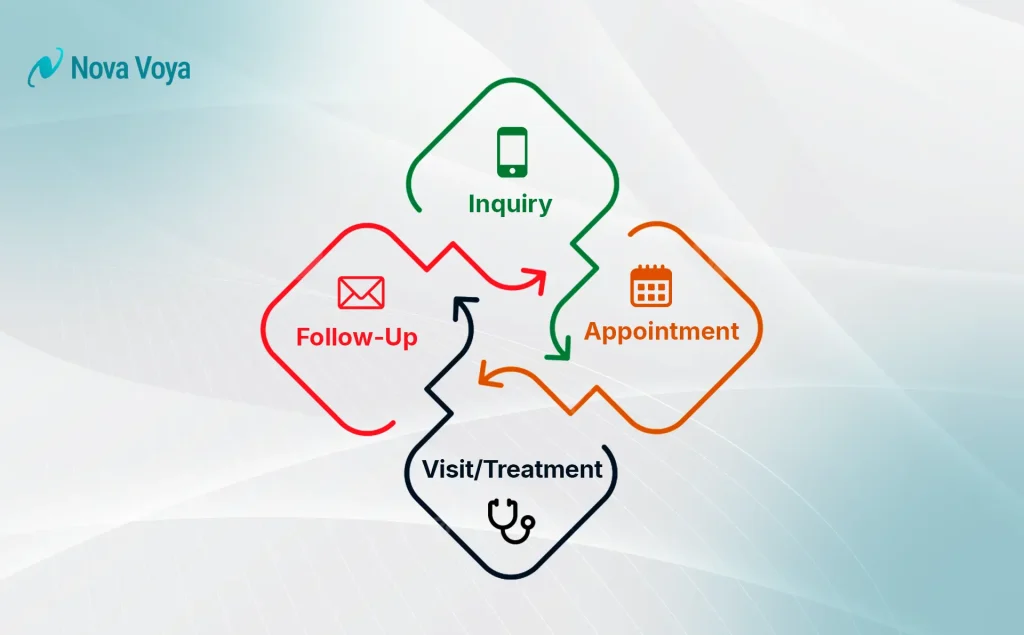
Key Stages of the Patient Experience: Mapping the Touchpoints
While every patient is unique, their path through your organization follows four primary stages:
1. Inquiry or First Contact
This is the moment a potential patient recognizes a need and reaches out, whether by searching online, calling your office, or filling out a web form. This initial stage sets the emotional and logistical tone for the entire relationship.
2. Appointment Scheduling
The process of securing care must be fast, easy, and transparent. Friction here, long holds, complex forms, or unclear instructions, is a leading cause of drop-off.
3. Visit and Treatment
This is the core clinical experience, covering everything from check-in and wait times to the bedside manner of the care team and the clarity of the treatment discussion.
4. Post-Visit Communication and Follow-Up
The journey doesn’t end when the patient walks out the door. This stage, encompassing patient follow-up best practices and soliciting feedback, is vital for continuity of care and cementing long-term loyalty.
How Digital Transformation Reshapes Expectations
The rise of the digital patient experience means the bar for convenience has been raised permanently.
Patients now expect self-service options, real-time communication, and personalized access to their health information. They are comparing your digital front door to the best apps they use every day. Digital patient experience is about moving away from paper forms and phone tag to seamless, secure online interactions. This focus is central to achieving and enhancing patient experience.
Recent research reveals that over 75% of patients consider it somewhat or very important to use digital tools to connect with the healthcare system, with 86% having used patient portals or apps to access their health information in the past year.
In the following sections, we will delve deeper into the analysis of these four key stages of the patient experience.
1. The First Impression: Optimizing the Inquiry Stage
The initial inquiry is a critical make-or-break moment; quick, empathetic, and accurate responses are mandatory for securing a new patient.
A potential patient calling or messaging your clinic is in a moment of need or high anxiety. If they encounter a frustrating phone tree, a slow email response, or an unhelpful staff member, they will almost certainly move to your competitor. This is where mastering healthcare customer service begins.
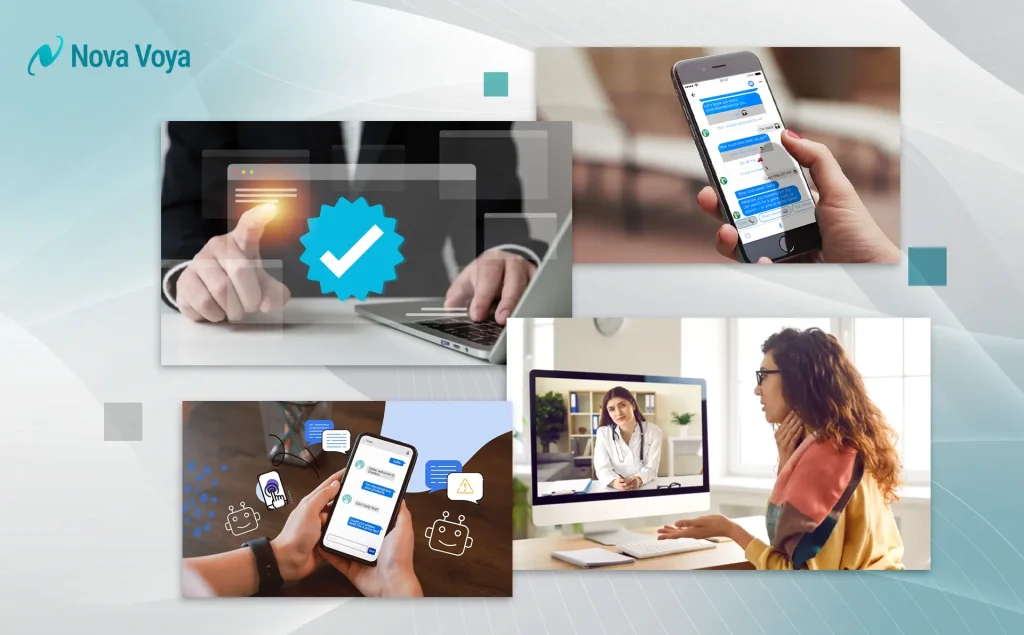
Responsive Communication Channels: Meeting Patients Where They Are
To start enhancing patient experience at the very beginning, ensure every channel is fast and effective.
- Phone: Keep on-hold times minimal (under 60 seconds is ideal). Offer a call-back option instead of forcing them to wait.
- Chat/Text: Implement a secure, real-time chat option on your website. Chatbots can handle simple FAQs 24/7, providing instant gratification.
- Email/Forms: Commit to a response time goal (e.g., reply to all form submissions within one business hour).
Importance of Staff Training in Empathy and Clarity
Your staff is the voice of your brand. They need more than just procedural training; they need training in emotional intelligence and empathy.
Teach staff to actively listen, validate the patient’s feelings, and use clear, non-jargon language. A patient who feels heard during a stressful call is already on the path to a positive experience. This human element is irreplaceable, even with the best technology.
Leveraging Automation Tools for Faster Responses
For the high volume of routine inquiries, leverage smart automation.
CRM (Customer Relationship Management) systems tailored for healthcare can automatically log every inquiry, assign it to the right person, and track the response time. This ensures no lead falls through the cracks and gives administrators a clear view of customer service performance, a powerful tool for patient journey optimization.
2. Streamlining the Appointment and Visit Experience
Frictionless scheduling and comfortable visits reduce patient anxiety and signal respect for their time.
Once the patient decides to book, the process must be as simple as possible. The primary goal of this stage is to eliminate the typical irritations of a medical visit: long waits, confusing paperwork, and a lack of information.
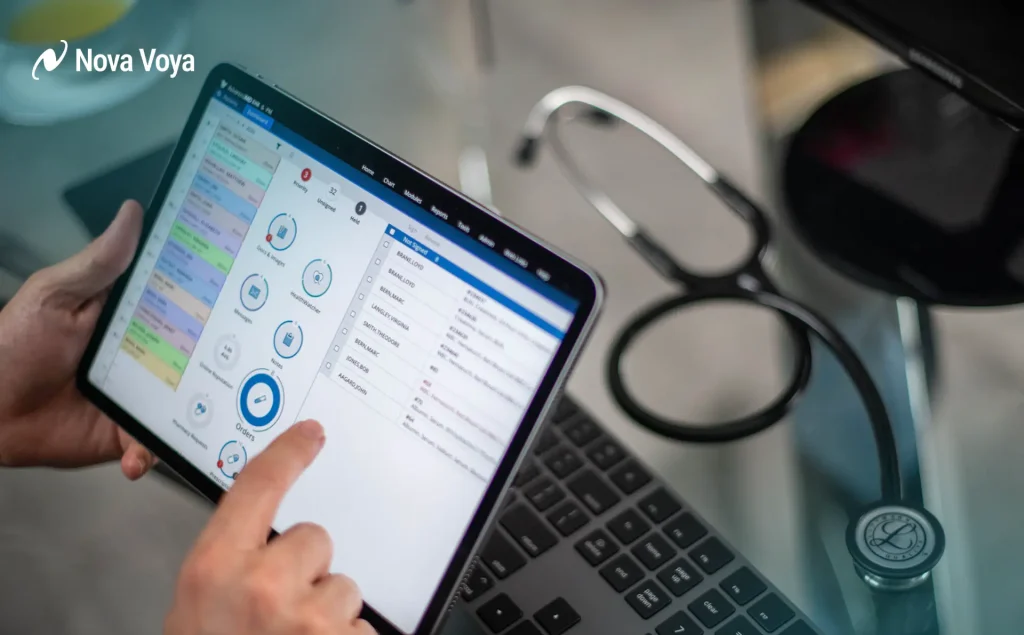
Simplified Booking and Digital Check-in
A core pillar of the modern digital patient experience is self-scheduling.
- Offer online appointment scheduling that integrates directly with your EHR (Electronic Health Record). If they can book a flight or hotel room instantly, they should be able to book an appointment.
- Implement digital check-in: Allow patients to complete all necessary forms (insurance, medical history updates) on their mobile device or a clinic tablet before they arrive. This drastically cuts down on front-desk time.
Reducing Wait Times and Improving Comfort
The perception of a long wait time is a major driver of low satisfaction.
Aim to keep the clinic running on schedule, and when delays occur, be transparent. For example, have a front-desk staff member check in with waiting patients every 10–15 minutes, apologizing for the wait and providing an updated estimated time. Furthermore, ensure the waiting area itself is comfortable, clean, and equipped with amenities like Wi-Fi and clear educational materials.
Ensuring Communication Transparency and Patient Education
Patients should know what’s happening, why, and what to expect next. This proactive communication significantly boosts trust and satisfaction. Before the visit, send pre-appointment reminders that include directions, parking info, and what to bring. During the visit, clearly explain the purpose of every test or procedure. This is key to effective patient communication improvement.
3. Building Trust Through Treatment and Interaction

Clinical excellence must be paired with exceptional human interaction to achieve high satisfaction.
While the clinical quality of the care is paramount, the patient often judges the experience based on the quality of the personal interaction with the physician and staff. This is where empathy moves from the front office to the examination room.
Read our “Building Trust with International Patients” comprehensive guide to ensure a seamless and high-quality experience for all your international patients.
How Bedside Manner and Communication Shape Satisfaction?
The physician’s demeanor is the most powerful determinant of a positive experience. Training clinicians in effective communication means teaching them to:
- Sit Down: Taking a moment to sit down signals that you are not rushed and are focused on them.
- Use the Patient’s Name: Personalization fosters a feeling of respect and connection.
- Employ Teach-Back: Instead of asking, “Do you understand?” ask the patient to explain the care instructions back to you in their own words. This is a crucial check for clarity and comprehension.
- Encouraging Two-Way Feedback During Visits
Don’t wait for a formal post-visit survey to get feedback. Create a culture where patients feel safe to ask questions or raise concerns during the visit. A simple prompt like, “Is there anything you’re still unclear about, or anything you feel we haven’t addressed today?” can prevent dissatisfaction later.
Technology That Enhances the Treatment Experience
The goal is to use digital tools to clarify information and facilitate transparency, making the clinical encounter richer and more collaborative.
- Visual Education Tools: Use in-room tablets or digital displays to share educational videos or interactive anatomical diagrams to help explain complex conditions visually, reinforcing the provider’s verbal explanation.
- Transparent EHR Use: When documenting in the EHR, face the patient and share the screen when appropriate, rather than turning your back. This promotes transparency and makes the patient feel included in their own care planning.
4. Following Up: The Key to Long-Term Loyalty
Effective post-visit follow-up shows the patient you care about their continued well-being, long after the billing is complete.
This final stage is often overlooked but is crucial for continuity of care, generating positive reviews, and medical practice reputation management. It’s the difference between transactional care and relational care.
Personalized Follow-Up Messages and Care Instructions
Use a CRM or patient engagement platform to automate and personalize your post-visit outreach.
- Send a personalized message: A simple email or text from the provider thanking the patient and providing a direct link to the after-care instructions is essential.
- Schedule check-ins: For patients with complex or chronic conditions, schedule a brief phone or video check-in within 48-72 hours to answer any questions that may have arisen after they left the office.
Post-Visit Surveys and Review Generation Strategies
The days immediately following a visit are the best time to gather feedback and solicit reviews.
- Automate Feedback Requests: Send a short, one-to-two-question survey (like an NPS or Satisfaction Score) 24 hours post-visit.
- Filter for Reviews: If the patient leaves a high score, immediately direct them to leave a public review on Google, Healthgrades, or Yelp. If they leave a low score, route them directly to a staff member for private resolution, a proactive strategy for medical practice reputation management.
Using Patient Feedback for Continuous Improvement
Feedback is a gift. The data you gather from surveys and reviews must be analyzed and acted upon. Schedule regular meetings to review patient comments.
Create Continuous Improvement Loops:
- Listen: Collect feedback data (surveys, reviews).
- Analyze: Identify recurring themes or pain points (e.g., “long wait times,” “confusing billing”).
- Act: Develop and implement a specific solution (e.g., “launch digital check-in,” “rewrite billing explainer”).
- Communicate: Let patients know you made a change based on their input. Closing the loop is a powerful patient engagement strategy.
Digital Tools for Enhancing the Entire Patient Journey
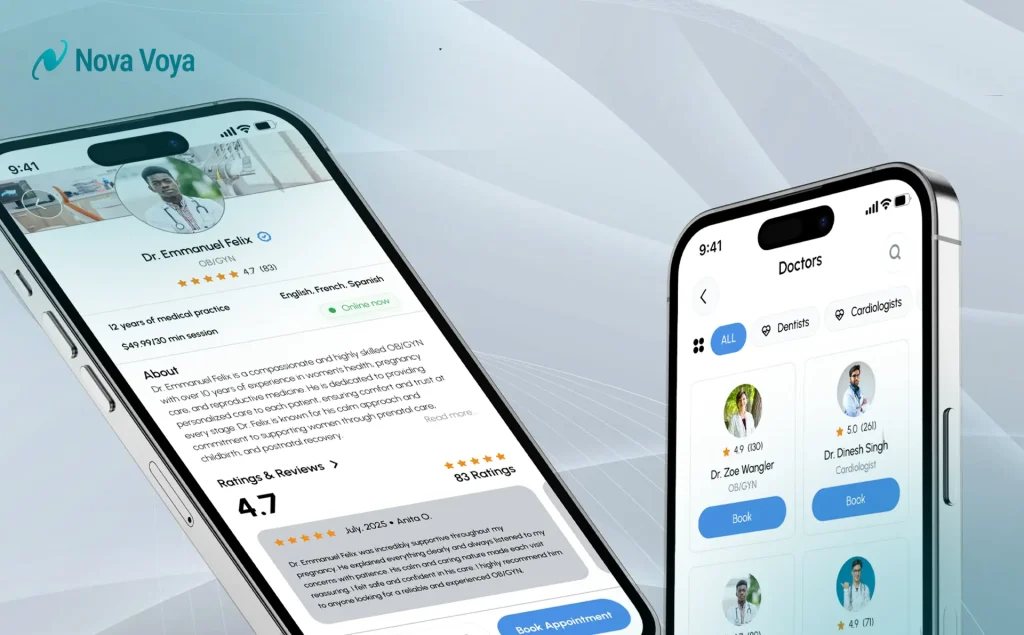
Technology provides the seamless integration needed to connect every stage of the patient journey.
Implementing the right technology stack is what separates high-performing practices from those struggling with low satisfaction scores. These tools are the foundation of a sophisticated digital patient experience.
1. CRM and Patient Engagement Platforms
A Healthcare CRM is the single source of truth for all patient interactions. It manages everything from initial inquiry follow-up to appointment reminders and post-care surveys. This centralization is key for effective patient journey optimization because it allows for truly personalized communication at scale.
2. Telehealth and Remote Monitoring
Telehealth greatly enhances access and convenience, two massive drivers of patient satisfaction.
- Virtual Visits: Offer video appointments for routine follow-ups or chronic care management, saving the patient time and travel.
- Remote Patient Monitoring (RPM): Using wearable tech and mobile apps allows providers to proactively monitor patient conditions, intervening before a crisis occurs. This demonstrates continuous care and commitment.
3. Patient Portals and Mobile Apps
A modern patient portal is more than just a place to pay a bill. It should be a central hub for the patient to:
- View test results and clinical notes.
- Communicate securely with their care team.
- Request prescription refills.
- Access educational materials.
Mobile apps take this a step further, offering on-the-go access and push notifications, solidifying the relationship through convenient self-service.
Measuring Success: KPIs for Patient Experience
You can only manage what you measure. Moving from a reactive to a proactive model of care requires robust metrics, which provide the objective data needed to drive improvement. These Key Performance Indicators (KPIs) allow healthcare executives and administrators to benchmark performance and target specific areas for investment in enhancing patient experience.
To effectively assess your efforts, focus on KPIs that cover the entire patient journey, from initial access to post-care satisfaction:
- Net Promoter Score (NPS): Measures patient loyalty by asking, “How likely are you to recommend us to a friend or colleague?” (Scores of 9-10 are Promoters; 0-6 are Detractors).
- Patient Satisfaction Scores (HCAHPS, PSQ): Standardized surveys that measure various dimensions of care quality and service.
- Average Response Time: Measures the speed of staff when responding to online inquiries, chat, or phone calls, serving as a crucial metric for the Inquiry Stage.
- Wait Time: The time elapsed between a patient’s arrival and the start of their clinical encounter, often a top driver of dissatisfaction.
- Patient Portal Utilization: Measures the percentage of patients actively using your digital tools for scheduling, messaging, and accessing results.
Continuous Improvement Loops
Use the data you collect to initiate continuous improvement loops, which are essential to long-term patient journey optimization. For example, if your NPS is low due to Detractor comments about “confusing billing,” create a task force to rewrite and simplify your billing statements. Re-measure the NPS in 90 days to track the impact of the change.
Conclusion: From Reactive Care to Proactive Experience Management
Enhancing the patient experience is no longer a peripheral concern; it is the central strategy for healthcare growth and sustainability.
The journey from initial inquiry to diligent patient follow-up best practices must be seamless, empathetic, and digitally enabled. Healthcare leaders who invest in the right digital patient experience tools, integrating technology like CRM and telehealth with highly trained, empathetic staff, are the ones who will successfully build trust, foster loyalty, and manage their reputation for years to come.
Read our “Marketing Strategies to Attract International Patients” to assess and optimize every stage of your patient journey and start seeing measurable improvements in satisfaction and loyalty.
In your experience, which single stage of the patient journey presents the biggest challenge for your practice, and why? Let us know in the comments!
Frequently Asked Questions
The main stages include inquiry or first contact, appointment scheduling, the in-clinic visit and treatment, and post-visit communication and follow-up.
By ensuring prompt, empathetic communication, offering multiple accessible contact options (phone, chat), and leveraging automation tools for faster, 24/7 responses.
It builds trust, ensures continuity of care, allows providers to check on patient recovery, and is critical for generating positive public reviews and enhancing patient loyalty and satisfaction.
Key technologies include CRM tools for personalized communication, patient portals and mobile apps for self-service access, telehealth platforms for virtual visits, and feedback automation systems for post-visit surveys.