
If you are between 30 and 55, have a BMI above 27, and have already tried “doing everything right” (diet plans, personal trainers, intermittent fasting) only to watch the weight come back, this guide was written for you.
Weight loss treatment in Dubai has moved far beyond calorie counting. What is now available is medical, metabolic care: structured protocols that address why the weight returns, not just how much you lose.
Dubai has become a serious destination for this level of treatment for a clear reason. It combines specialist-led care, strong hospital infrastructure, and a regulator-enforced healthcare system under the Dubai Health Authority (DHA), which sets licensing standards for every clinic and clinician operating in the emirate.
This article walks you through three clinical paths you can compare side by side:
- GLP-1 protocols (semaglutide and tirzepatide, the active ingredients behind Ozempic and Mounjaro)
- Bariatric options, including sleeve gastrectomy and non-surgical swallowable balloons
- Hybrid lifestyle programs that combine procedures with nutrition and long-term monitoring
Each path has a different entry point, a different recovery profile, and a different long-term outcome.
The goal of this guide is to help you understand which one fits your situation before you make any decisions. For those who want a structured starting point, platforms like Nova Voya offer initial screening coordination and access to vetted clinical teams across Dubai, so your first step is guided rather than guesswork.
Key Takeaways: (TL;DR)
- If you are 30 to 55, BMI 27+ and tired of rebound weight gain, Dubai offers medically supervised options that target metabolism, not willpower.
- GLP-1 based protocols (including semaglutide and tirzepatide) can reduce appetite and improve metabolic markers, but require clinician oversight and follow-up to reduce risks and rebound.
- Bariatric surgery remains the most effective long-term option for severe obesity, with strong data on weight loss maintenance and obesity-related disease improvement (ASMBS).
- Allurion (swallowable) balloon is a non-surgical, no-anesthesia option often considered for BMI 27 to 40, especially for patients seeking minimal downtime.
- A hybrid plan (medication or procedure plus nutrition, movement, and monitoring) is usually the difference between short-term loss and 12-month stability.
- Nova Voya helps international patients coordinate DHA-aligned care pathways, travel-friendly scheduling, and post-return tele-follow-up.
Why Medical Tourists Choose Dubai for Weight Loss (and Why Dieting Alone Has a 95% Failure Rate)
Most people who regain weight after dieting are not failing because of willpower. Research consistently shows that biological mechanisms, including appetite hormone rebound and insulin resistance, work against sustained weight loss after calorie restriction.
Dubai’s appeal for medical tourists is access to clinician-led metabolic care that targets these mechanisms directly, combined with hospital-grade safety standards and travel-friendly scheduling.
Why Your Body Fights Back After Every Diet (The Biology Behind Rebound Weight Gain)
If you have regained weight after a strict diet, the most likely explanation is not discipline. It is physiology. When the body loses weight rapidly through calorie restriction, several biological responses can work against you:
- Appetite hormone rebound: Ghrelin (the hunger hormone) rises after weight loss, increasing drive to eat
- Leptin suppression: The satiety signal weakens, making it harder to feel full at smaller portions
- Metabolic adaptation: Resting metabolic rate can drop, meaning the body burns fewer calories at rest
- Insulin resistance and glucose swings: These can drive cravings, especially for high-carbohydrate foods
- Sleep apnea and cortisol: Both impair weight regulation and are often undiagnosed in this patient group
This is why medically supervised protocols, such as GLP-1 therapy, bariatric surgery, or structured hybrid programs, aim to intervene at the biological level, not just the behavioral one.
Why Dubai Specifically: What High-Income Medical Travelers Are Actually Looking For
People flying in from Europe, the GCC, and South Asia for weight-loss treatment typically need three things: clinical credibility, privacy, and a trip that fits a working schedule.
Dubai meets those expectations through a combination of structural advantages:
- DHA-regulated care: The Dubai Health Authority licenses and oversees clinicians and facilities, setting minimum standards for practice, safety, and accountability
- International hospital protocols: Several Dubai hospitals operate under global standards for anesthesia, peri-operative monitoring, and infection control
- Multidisciplinary access in one trip: Endocrinology, bariatric surgery, metabolic nutrition, and diagnostics can often be coordinated within a short travel window, which is not typical in most home-country systems
- Privacy and speed: Private consultations, rapid diagnostics, and dedicated international patient coordinators are common at premium facilities
Safe & Secure Dubai Medical Travel Packages 🏥
Navigate Dubai’s healthcare system with zero stress. Nova Voya handles your clinic vetting, appointments, and safety logistics so you can focus on healing.
*Your health and safety are our top priority.
The 3 Clinical Paths This Guide Covers (and What Makes Each One Different)
This guide compares three medically distinct approaches. Each has a different mechanism, a different recovery profile, and a different long-term maintenance requirement.
| Path | How it works | Best suited for |
| GLP-1 protocols (semaglutide or tirzepatide) | Targets appetite signaling and metabolic hormones | BMI 27+, non-surgical preference, metabolic risk factors |
| Bariatric surgery and balloons | Anatomical restriction and metabolic change | BMI 30+, repeated diet failure, higher weight targets |
| Hybrid programs | Combines procedure or medication with nutrition, movement, and monitoring | All cases where 12-month maintenance is the goal |
The sections that follow cover each path in detail, with costs, candidacy criteria, and questions to ask before you book.
Ozempic vs Mounjaro in Dubai: Which GLP-1 Protocol Fits Your Metabolic Profile?
GLP-1 based weight-loss treatment uses incretin hormones to reduce appetite, slow gastric emptying, and improve glucose handling after meals. In suitable candidates, it can support meaningful and sustained weight reduction, but it requires medical supervision to manage side effects, avoid dangerous self-dosing, and plan for long-term maintenance. In Dubai, reputable programs include baseline labs, structured dose titration, and follow-up protocols before the first injection is given.
How GLP-1 Drugs Actually Work Inside Your Body (Not Just Suppressing Appetite)
Most people have heard that GLP-1 injections reduce hunger. That is technically true, but the mechanism is more specific than that, and understanding it helps you ask better questions in a consultation.
GLP-1 receptor agonists act on three main systems simultaneously:
- Brain appetite centers (hypothalamus): The drug signals satiety earlier in a meal, meaning you feel full on less food without consciously restricting
- Gastrointestinal motility: Stomach emptying slows, which extends the sensation of fullness and reduces post-meal glucose spikes
- Pancreatic signaling: Insulin release improves in response to food, and glucagon (which raises blood sugar) is suppressed
The combined effect is that calorie intake tends to drop naturally, blood sugar control improves, and for many patients, cravings for high-carbohydrate foods reduce over time.
This is why GLP-1 protocols are increasingly described as metabolic interventions, not just appetite suppressants.
Semaglutide vs Tirzepatide: What the Clinical Data Actually Shows
Both semaglutide (the active ingredient in Ozempic and Wegovy) and tirzepatide (the active ingredient in Mounjaro) are weekly injectables used in medically supervised weight-loss programs. They are not interchangeable, and the difference matters for your clinical assessment.
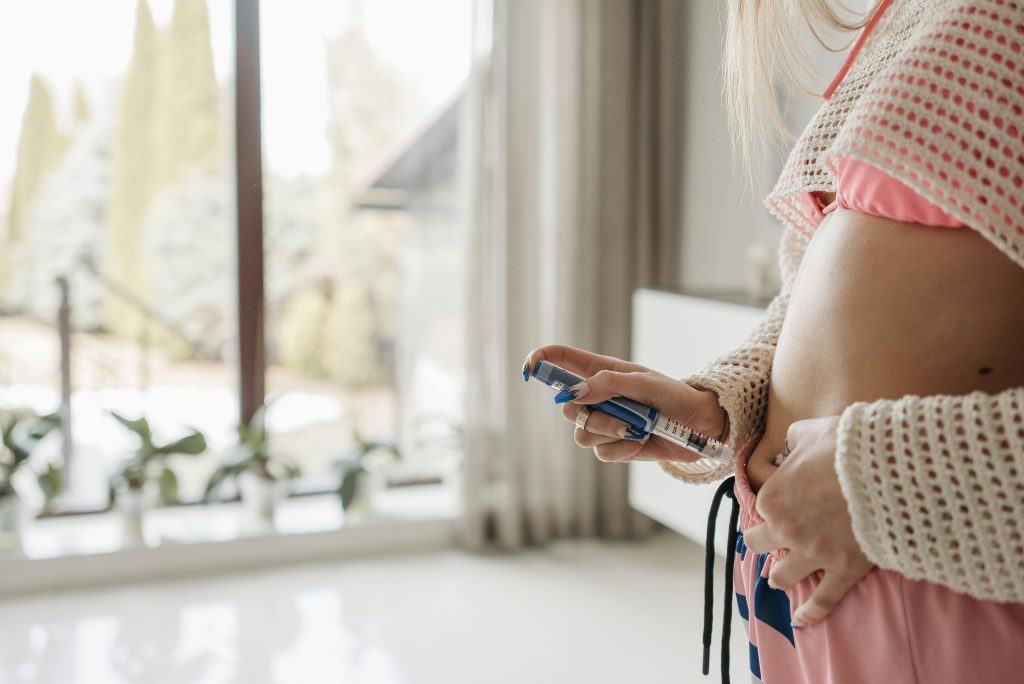
Semaglutide
Semaglutide is a selective GLP-1 receptor agonist. It targets one receptor pathway and has a well-established body of trial data going back to 2021.
Tirzepatide
Tirzepatide is a dual agonist: it activates both GLP-1 and GIP (glucose-dependent insulinotropic polypeptide) receptors simultaneously. This dual action appears to produce stronger metabolic effects in certain patient populations.
What the published data shows:
According to a 2024 comparative review (Wei and Xu, 2024), which synthesizes findings from the SURMOUNT phase 3 tirzepatide trials (Jastreboff et al., NEJM 2022) and semaglutide data (Frías et al., NEJM 2021):
- Tirzepatide at the highest studied dose produced average excess weight loss that exceeded semaglutide comparators in reviewed cohorts
- Both drugs showed significant weight reduction versus placebo across trial populations
- Tirzepatide showed improvements in blood pressure, lipid profiles, and glycemic markers in obesity cohorts, beyond weight loss alone
Important clinical caveat
Trial results are population averages. Your individual response depends on your metabolic profile, starting weight, comorbidities, dose tolerance, and adherence to the surrounding nutrition plan. A Dubai clinician will assess all of these before recommending a protocol.
| Factor | Semaglutide | Tirzepatide |
| Receptor targets | GLP-1 only | GLP-1 + GIP (dual) |
| Injection frequency | Weekly | Weekly |
| Weight loss data | Strong (STEP trials, NEJM 2021) | Strong, higher average in some cohorts (SURMOUNT, NEJM 2022) |
| Side effect profile | GI effects common (nausea, diarrhea) | Similar GI profile, dose-dependent |
| Use in type 2 diabetes | Yes (Ozempic approved) | Yes (Mounjaro approved) |
| Maintenance consideration | Rebound risk on discontinuation | Rebound shown in SURMOUNT-4 on withdrawal |
Gastric Sleeve vs Allurion Balloon in Dubai: Cost, Recovery Time, and Who Each Option Is Actually For
Bariatric surgery and intragastric balloon programs are structured medical interventions that target weight loss through anatomical restriction and, in the case of sleeve surgery, lasting metabolic change. The right choice depends on your BMI, metabolic risk profile, downtime tolerance, and long-term maintenance commitment. Dubai’s key safety advantage is access to DHA-licensed facilities with experienced multidisciplinary teams and written aftercare protocols, but the facility and surgeon you choose matter as much as the procedure itself.
What Is Laparoscopic Sleeve Gastrectomy and How Does It Actually Work?
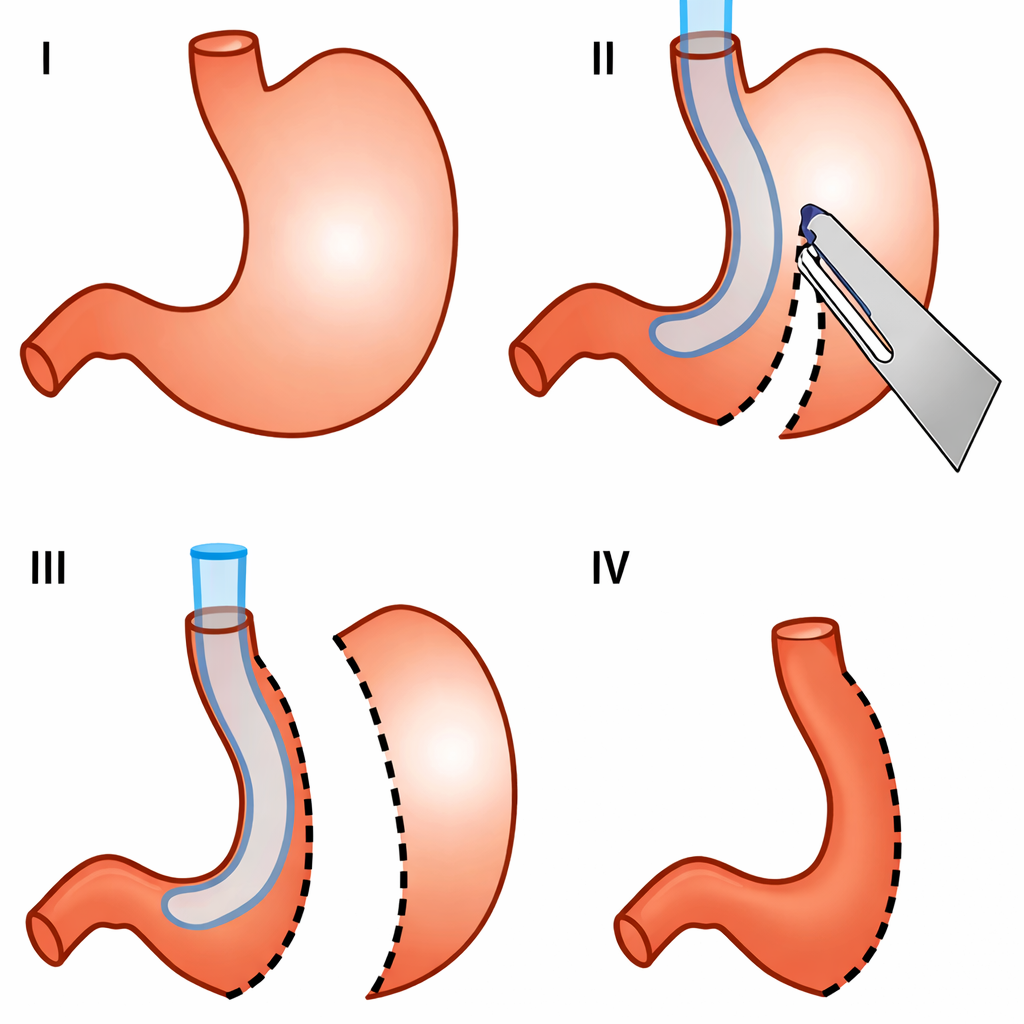
Sleeve gastrectomy removes approximately 75 to 80 percent of the stomach, leaving a narrow tube-shaped stomach roughly the size of a banana (ASMBS, 2021). This is a permanent, irreversible anatomical change.
The procedure works through two mechanisms, not just one:
- Restriction: The reduced stomach capacity limits meal size and calorie intake
- Hormonal change: Removing a large portion of the stomach also removes the tissue that produces ghrelin, the primary hunger-stimulating hormone, which is why many patients report significantly reduced appetite beyond just feeling full sooner
This hormonal component is what distinguishes sleeve surgery from purely mechanical restriction, and it is why outcomes tend to be more durable than diet alone.
The procedure itself: Laparoscopic sleeve gastrectomy is performed under general anaesthesia using small incisions (keyhole approach). Operating time is typically 60 to 90 minutes in experienced hands, though this varies by patient and hospital.
What Do Sleeve Surgery Outcomes Look Like?
According to the American Society for Metabolic and Bariatric Surgery fact sheet, based on large population datasets:
- Patients may lose up to 60% of excess weight at 6 months
- Patients may lose up to 77% of excess weight by 12 months
- At 5 years, average maintained excess weight loss is approximately 50%
Comorbidity improvements reported alongside weight loss:
| Condition | Reported improvement or remission rate |
| Type 2 diabetes | Up to 60% remission in some datasets |
| Hypertension | Improvement in majority of patients |
| Sleep apnea | Significant reduction in severity |
| Dyslipidemia | Improvement commonly reported |
These are population-level figures. Individual outcomes depend on starting weight, adherence to post-op diet phases, exercise, and follow-up consistency.
Safety context:
- Reported mortality risk: approximately 0.1%
- Major complication risk: approximately 4%
- These figures are from accredited bariatric centers. Risk at non-specialist facilities may differ.
Who Is a Realistic Candidate for Sleeve Surgery in Dubai?
A bariatric surgeon will assess candidacy based on clinical criteria, not just BMI. Understanding these in advance helps you prepare.
You may be considered for sleeve surgery if:
- Your BMI is 35 or above, with or without obesity-related conditions
- Your BMI is 30 to 34.9 with significant comorbidities such as type 2 diabetes, hypertension, or sleep apnea (lower BMI thresholds may apply at some centers, clinician-led)
- You have had documented failure of supervised non-surgical weight management
- You are medically fit for general anaesthesia after pre-operative assessment
- You are committed to long-term dietary changes and structured follow-up, including supplement protocols post-surgery
Surgery is typically not recommended if you have:
- Uncontrolled psychiatric conditions that affect treatment adherence
- Severe gastroesophageal reflux disease (GERD), where sleeve may worsen symptoms (a bypass option may be discussed instead)
- Active substance dependence
- Conditions that significantly increase anaesthetic risk without optimization first
- Pregnancy or planned pregnancy in the near term
What a responsible pre-operative workup in Dubai typically includes:
- Blood panel: full metabolic screen, HbA1c, iron, B12, vitamin D, thyroid
- Resting ECG and cardiology clearance if indicated
- Gastroscopy to assess stomach anatomy and rule out ulcers or H. pylori
- Sleep apnea screening if suspected
- Dietary assessment and pre-op nutrition targets
- Psychological assessment at accredited centers
- Anaesthesia review
Recovery From Sleeve Surgery in Dubai: What a Realistic Timeline Looks Like
One of the most common questions from medical tourists is how much time they need to plan for.
| Recovery phase | Typical timeframe | What to expect |
| Hospital stay | 1 to 3 days (varies by protocol and patient) | Liquid diet begins in hospital, mobility encouraged early |
| First week post-discharge | Days 4 to 7 | Liquid and pureed diet, fatigue common, limited activity |
| Return to desk work | 1 to 2 weeks for most patients [VERIFY] | Depends on pain tolerance and job demands |
| Driving | Typically 1 to 2 weeks, varies by country [VERIFY] | Follow surgeon guidance |
| Light exercise (walking) | From day 1 post-op | Encouraged for clot prevention |
| Structured exercise | Usually from week 4 to 6 | Cleared by surgeon based on healing |
| Full diet progression | 4 to 6 weeks staged (liquid, pureed, soft, regular) | Lifelong portion discipline required after |
| Supplements | Lifelong: protein, B12, iron, vitamin D, calcium | Non-negotiable for long-term health |
Minimum recommended Dubai stay for medical tourists targeting sleeve surgery
Most programs suggest a minimum of 5 to 7 days in Dubai post-operatively before flying, pending surgeon clearance. Some clinicians recommend 10 to 14 days for safety. Deep vein thrombosis risk on long flights is a real consideration. Confirm your travel plan with your surgeon before booking flights.
What Does Sleeve Surgery Cost in Dubai?
Cost varies significantly by hospital tier, surgeon experience, and what is included in the package.
| Cost component | Typical range in Dubai (AED) |
| Surgeon fee | 10,000 to 25,000 [VERIFY] |
| Hospital and anaesthesia | 15,000 to 30,000 [VERIFY] |
| Pre-operative workup (labs, gastroscopy, ECG) | 2,000 to 6,000 [VERIFY] |
| Post-operative follow-up (in-clinic) | 500 to 1,500 per visit [VERIFY] |
| All-in package range (procedure + hospital + basic follow-up) | 28,000 to 55,000+ depending on facility and inclusions[VERIFY] |
What is often not included in headline package prices:
- Psychological assessment fee
- Pre-op dietary counseling
- Post-return tele-consults
- Lifetime supplement costs (estimate AED 300 to 700 per month ongoing) [VERIFY]
- Emergency visit costs if complications arise
What Is the Allurion Balloon and How Is It Different From Surgery?
The Allurion balloon (also called the swallowable or Elipse balloon) is a non-surgical, non-endoscopic intragastric balloon program. The patient swallows a capsule attached to a thin catheter. Once confirmed to be in the stomach by X-ray, the balloon is filled with fluid and the catheter is removed. No endoscopy, no sedation, no incisions.
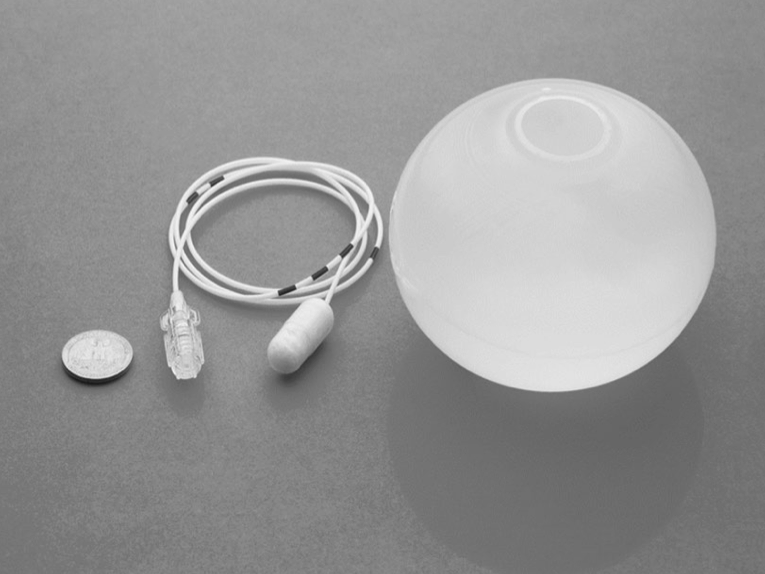
How it produces weight loss
The balloon partially fills the stomach, reducing the space available for food and slowing gastric emptying. This creates earlier satiety signals, which, when combined with a structured nutrition program, supports calorie reduction over the program duration.
Program duration
The Allurion balloon is designed to remain in place for approximately 16 weeks, after which it deflates and passes naturally. The full program, including preparation, device period, and follow-up, typically runs around 6 months.
Who Is the Allurion Balloon Actually For? (And Who It Is Not For)
You may be a suitable Allurion candidate if:
- Your BMI is approximately 27 to 40 (common program range, final eligibility is clinician-led)
- You want a non-surgical, no-anesthesia option with minimal downtime
- You are looking for a structured 6-month program rather than a permanent intervention
- You want to use the balloon period to build dietary habits before transitioning to a maintenance phase or a subsequent intervention
- You have a travel window of 1 to 2 days for the placement visit, without requiring surgical recovery time
The Allurion balloon is generally not recommended if you have:
- A history of gastric or esophageal surgery
- Large hiatal hernia or significant GERD
- Inflammatory bowel disease or active GI ulcers
- Conditions that prevent swallowing a large capsule
- BMI above 40 in most programs (surgical options typically recommended instead)
What to Expect During and After Allurion Balloon Placement
Day of placement (what actually happens):
- You swallow the capsule (approximately the size of a large supplement capsule) under clinical supervision
- X-ray confirms stomach positioning
- The balloon is filled with approximately 550ml of fluid via the catheter
- The catheter is removed, no sedation required
- Most patients leave the clinic within 1 to 2 hours
Side effects to plan for in the first 1 to 2 weeks
The adjustment phase is the most important period to plan around.
- Nausea and vomiting are common in the first 5 to 10 days as the stomach adjusts
- Cramping and discomfort are frequently reported
- Most clinics provide anti-nausea medication and a dietary protocol to manage this phase
- Symptoms typically resolve significantly by week 2 for most patients
This is not a “fly in on Monday, back to work on Tuesday” procedure for everyone. Plan for a recovery buffer of at least 3 to 5 days of reduced activity, especially if traveling internationally.
What Does the Allurion Balloon Program Cost in Dubai?
| Cost component | Typical range in Dubai (AED) |
| Allurion program (balloon + follow-up visits + nutrition coaching) | 12,000 to 22,000 [VERIFY] |
| Initial consultation and pre-program assessment | 500 to 1,500 [VERIFY] |
| Additional dietitian sessions (if not bundled) | 300 to 700 per session [VERIFY] |
| Post-balloon maintenance phase (if extended) | Varies by clinic [VERIFY] |
Things to confirm are included before you pay
- Number of follow-up visits during the 16-week balloon period
- Whether a dietitian or nutrition coach is bundled
- What happens if the balloon deflates early (rare but possible)
- Post-deflation maintenance plan and support
The only thing harder than living with extra weight
is realizing you didn’t have to.
- ✔️ Stop being the person who just needs to try harder
- ✔️ Wear what you want, not just what fits
- ✔️ Walk into a room and feel like yourself again
- ✔️ Backed by DHA-licensed specialists, not Instagram trends
- ✔️ One trip to Dubai. A plan that follows you home.
Book My Free Consultation
What Actually Drives Long-Term Results in Dubai Weight-Loss Programs
The intervention creates the opportunity. What surrounds it determines whether results last. Research across GLP-1 trials, bariatric surgery datasets, and balloon programs consistently shows the same pattern: patients with structured nutrition plans, muscle preservation protocols, and scheduled follow-up outperform those without them at 12 and 24 months, regardless of which procedure they chose.
Why Most Medical Tourists Regain Weight After Dubai and How to Avoid It
The most expensive mistake is treating Dubai as a one-and-done trip. Maintenance trial data summarized in Wei and Xu (2024) showed that patients who withdrew from tirzepatide after a successful lead-in phase regained significant weight, while those who continued maintained their losses. The same pattern appears in bariatric surgery follow-up: structured post-operative programs consistently outperform unstructured ones at 2 and 5 years (ASMBS, 2021).
Three factors consistently separate durable outcomes from short-term results:
Muscle preservation during weight loss
Rapid weight loss from any intervention can cause muscle mass loss alongside fat. A protein-forward nutrition plan and progressive resistance training protect lean mass and long-term metabolic rate. Without this, regain is more likely even when the intervention continues.
Personalized nutrition beyond the procedure
Generic diet advice does not account for individual variation in glucose response, food tolerances post-surgery, or lifestyle constraints. DNA-based nutrition uses genetic markers to inform how a patient processes carbohydrates and fats, responds to caffeine, and adapts to exercise. These reports work best as a personalization layer on top of clinical labs and body composition data, not as a standalone tool.
Continuity of follow-up
The first 12 months are the most fragile period across all three intervention types. A written aftercare plan with scheduled check-ins, red-flag symptom protocols, and lab monitoring is what separates a program from a procedure.
How Luxury Detox Retreats Fit Into a Medical Plan and When They Do Not
A high-end retreat linked to a medical plan can add real value through sleep normalization, cortisol reduction, structured daily movement, and nutrition coaching in a controlled environment. Used as a standalone cleanse with no clinical connection, it is unlikely to produce lasting benefit.
GLP-1, Balloon, or Surgery in Dubai: A Decision Map to Prepare for Your First Consultation
The right starting point is matching your BMI, metabolic risk profile, and downtime tolerance to the least invasive option that can still be maintained for 12 months. The framework below is a consultation preparation tool, not a clinical recommendation. A DHA-licensed clinician must confirm eligibility based on a full medical assessment.
Sleeve vs Allurion vs GLP-1: Full Comparison for Medical Tourist Decision-Making
| GLP-1 Protocol | Allurion Balloon | Sleeve Gastrectomy | |
| Mechanism | Hormonal: appetite and glucose | Mechanical: stomach space reduction | Mechanical + hormonal: restriction and ghrelin reduction |
| Reversibility | Fully reversible (stop medication) | Temporary (16 weeks, self-deflates) | Permanent and irreversible |
| Typical BMI range | 27+ with risk factors | 27 to 40 | 30+ (35+ most common) |
| Anesthesia required | No | No | Yes (general) |
| Dubai stay needed | 1 to 2 days initial, tele-follow-up possible | 1 to 2 days placement, 3 to 5 days buffer | Minimum 5 to 7 days post-op [VERIFY] |
| Return to work | Next day for most | 3 to 7 days depending on side effects | 1 to 2 weeks [VERIFY] |
| Downtime | Minimal | Low to moderate (adjustment phase) | Moderate (weeks of staged recovery) |
| Follow-up intensity | High (labs, dose visits, tele-consults) | Moderate (program visits, nutrition) | High (diet phases, supplements, labs) |
| Weight loss durability | Dependent on continued use | Temporary tool, maintenance required | Durable, but regain possible without follow-up |
| Cost range (AED) | 1,200 to 3,500+ per month | 12,000 to 22,000 package | 28,000 to 55,000+ [VERIFY] |
| Suitable as standalone | Yes, with maintenance plan | Yes, as a structured program | Yes, with long-term aftercare |
| Suitable as combination | Pre or post-op primer | Pre-surgical weight reduction | With GLP-1 for maintenance |
Fast Self-Check Before You Book Anything
Gather these before your first consultation:
- Current BMI and waist circumference
- Documented history of weight regain after previous diet or exercise programs
- Existing diagnoses: type 2 diabetes, hypertension, sleep apnea, fatty liver disease, GERD
- Current medications affecting glucose, blood pressure, or GI function
- Available travel window and realistic downtime tolerance
- Comfort level with injections, surgery, and multi-month follow-up commitment
A Realistic Combined Program Timeline: Week 0 to Month 6
| Timeframe | What typically happens |
| Week 0 (Dubai arrival) | Baseline labs, body composition scan, metabolic consultation, written treatment plan |
| Weeks 1 to 4 | GLP-1 titration or balloon onboarding, symptom management protocol, protein and hydration targets |
| Weeks 6 to 12 | Progressive resistance training, diet personalization from labs and tolerance, sleep apnea screening if indicated |
| Months 3 to 6 | Maintenance strategy, remote check-ins, dose adjustment if needed, habit consolidation review |
Non-Negotiable Facility Checks Before You Commit
- Confirm DHA licensing for the facility and individual clinician (verifiable on the DHA portal)
- Ask for documented case volume for your specific procedure
- Request a written pre-operative assessment protocol
- Confirm a written aftercare plan covering diet phases, red-flag symptoms, supplement schedule, and emergency contact pathway
- Get an itemized quote clarifying what is and is not included in the headline price
Questions to Ask Your Dubai Clinician Before Booking
Sleeve gastrectomy:
- How many sleeve procedures has this team performed, and what is the documented complication rate at this facility?
- What does the pre-operative workup include, and how many days before surgery is it scheduled?
- What is the minimum recommended Dubai stay post-operatively before I can safely fly?
- Is a dietitian included in the package or charged separately?
- What supplements will I need lifelong, and are these factored into cost estimates?
- Who do I contact in Dubai if complications arise after I return home?
- Is tele-consultation available for international patients post-discharge, and at what cost?
Allurion balloon:
- How many placements has this clinic performed?
- What happens if the balloon deflates early?
- What anti-nausea protocol is provided for the adjustment phase?
- What is the post-deflation maintenance plan?
GLP-1 protocols:
- Which drug do you recommend for my metabolic profile, and why?
- What is the full titration schedule and how many follow-up visits are included?
- What nutrition plan runs alongside the medication?
- What is the maintenance plan if I need to stop the medication?
- How is follow-up managed after I return home?
After You Leave Dubai: How Remote Monitoring and Tele-Consults Protect Your Results for 12 Months
The first 12 months after any weight-loss intervention are the most fragile. Appetite hormones, dose or diet phases, and daily routines are still adjusting. Without a structured follow-up plan, early warning signs of regain, side effects, or nutrition gaps go unaddressed until they become a full relapse. Remote monitoring and scheduled tele-consults are what bridge the gap between your Dubai trip and long-term maintenance at home.
What a Digital Monitoring Protocol Typically Tracks
Depending on your plan and devices, structured follow-up may cover:
| Metric | Why it matters |
| Weekly weight and waist trends | Early regain detection before it compounds |
| GI symptom log (for GLP-1 patients) | Dose adjustment signals and safety monitoring |
| Blood pressure trends | Trials have observed BP improvements with tirzepatide in obesity cohorts (Wei and Xu, 2024); tracking confirms benefit is maintained |
| Lab follow-ups: glucose markers, HbA1c, lipids, liver enzymes | Especially critical in months 1 to 6 post-intervention |
| Protein intake and supplement adherence (post-sleeve) | Deficiency prevention, particularly B12, iron, and vitamin D |
How Tele-Consultation Works for International Patients
A well-structured international follow-up protocol typically runs in three phases:
Phase 1 (Months 1 to 3): High-frequency contact
Video visits every 2 to 4 weeks, covering dose titration, diet phase progression, symptom review, and lab result interpretation.
Phase 2 (Months 3 to 6): Stabilization
Monthly check-ins shifting toward maintenance strategy, exercise progression, and habit consolidation. As-needed contact for plateaus or side effect concerns.
Phase 3 (Months 6 to 12): Long-term maintenance
Quarterly reviews, annual lab panel, and clear escalation pathway if regain exceeds a defined threshold.
A clear escalation plan for red-flag symptoms, including who to contact and within what timeframe, should be written into your aftercare document before you leave Dubai.
Common Myths About Weight Loss Treatment in Dubai
Misinformation about bariatric surgery, GLP-1 therapy, and medical weight-loss programs in Dubai delays decisions and pushes patients toward less effective options. The table below addresses the four most common misconceptions with the best available evidence.
| Myth | The Reality |
| GLP-1 injections are a quick fix you can start and stop anytime | Stopping tirzepatide after a successful lead-in phase was associated with significant weight regain in the SURMOUNT-4 maintenance trial, summarized in Wei and Xu (2024). These are long-term metabolic tools, not short courses. |
| Bariatric surgery is too risky compared to staying obese | ASMBS (2021) reports sleeve gastrectomy mortality risk at approximately 0.1% and major complications at approximately 4%. For patients with severe obesity, the metabolic and cardiovascular risks of remaining untreated often exceed surgical risk by a significant margin. |
| A balloon or sleeve guarantees permanent results without lifestyle change | Durable outcomes across all three intervention types depend on structured aftercare, nutrition phases, and monitored follow-up, particularly during the first 12 months. The procedure creates the opportunity; the program determines whether results hold. |
| Dubai weight-loss care is only for wealthy celebrities | Dubai offers a range of mid-premium and premium pathways with defined program structures, travel-friendly scheduling, and package pricing designed for international patients. [VERIFY: local mid-tier package ranges before publishing] |
Summary
You Have Done the Research. Here Is What It Comes Down To.
Most people who reach the end of a guide like this already know that dieting alone has not worked. What they need is clarity on which medical path fits their situation, and the confidence to take a first step that is not guesswork.
Here is what the evidence in this guide points to:
If your BMI is 27 to 30 with no significant comorbidities
a clinician-supervised GLP-1 protocol or the Allurion swallowable balloon gives you a structured, non-surgical starting point with meaningful weight-loss data behind it, provided the surrounding nutrition plan and follow-up are built in from day one.
If your BMI is 30 to 40 with repeated diet failures
sleeve gastrectomy offers the most durable long-term tool available, combining anatomical restriction with a hormonal change that diet and medication alone cannot replicate. The Allurion balloon can also serve as a lower-commitment entry point in this range, depending on your timeline and downtime tolerance.
If your BMI is 40 or above
or if you are managing significant metabolic disease alongside excess weight, a surgical pathway with a comprehensive program structure is where the strongest outcome data sits.
Across all three pathways, one pattern holds without exception: the patients who maintain results at 12 and 24 months are not the ones who chose the most aggressive procedure. They are the ones who had a written aftercare plan, kept their follow-up appointments, and protected their results with structured nutrition and monitoring after they returned home.
Dubai’s advantage for international patients is that specialist-led care, hospital-grade safety standards, and travel-friendly scheduling can be coordinated in a single trip. The DHA framework sets a regulated baseline. Choosing the right facility and clinical team within that framework is what separates a well-structured program from an expensive starting point with no continuation.
If you are ready to stop researching and start with a plan that is built around your BMI, your travel window, and your clinical profile, Nova Voya can arrange a free pre-assessment that connects you to vetted Dubai specialists before you book anything. Your first consultation should begin with decisions, not paperwork. Arrange your free assessment with Nova Voya today.
Are you leaning toward GLP-1 injections, the Allurion balloon, or a surgical option? Tell us your situation in the comments and we will point you toward the most relevant section of this guide to revisit before your consultation.
FAQs
GLP-1 programs require only 1 to 2 days for initial assessment, the Allurion balloon placement takes 1 to 2 hours with a recommended 3 to 5 day buffer, and sleeve gastrectomy typically requires a minimum of 5 to 7 days post-operatively before flying, with some clinicians recommending 10 to 14 days.
The Allurion is a swallowable intragastric balloon that requires no surgery or anesthesia, remains in place for approximately 16 weeks before deflating naturally, and is generally considered for patients with BMI 27 to 40 who want a structured non-surgical program with minimal downtime.
ASMBS (2021) reports sleeve gastrectomy mortality risk at approximately 0.1% and major complications at approximately 4%, and notes that for many patients with severe obesity, the metabolic and cardiovascular risks of remaining untreated significantly outweigh the surgical risk.
Semaglutide targets GLP-1 receptors only, while tirzepatide activates both GLP-1 and GIP receptors simultaneously, and a 2024 comparative review reports that tirzepatide produced higher average weight loss in certain trial cohorts.
Most reputable Dubai programs can be structured with tele-consultations and remote monitoring for international patients, but continuity depends on your clinician building a written aftercare schedule before you leave, confirming medication access in your home country, and agreeing on a clear escalation protocol for side effects.
Common ranges include AED 1,200 to 3,500 per month for supervised GLP-1 programs, AED 12,000 to 22,000 for the Allurion balloon package, and AED 28,000 to 55,000 or more for sleeve gastrectomy depending on facility and inclusions.
All facilities and individual clinicians operating in Dubai must hold a valid Dubai Health Authority license, which can be verified directly on the DHA portal before you commit to any program or pay any deposit.