
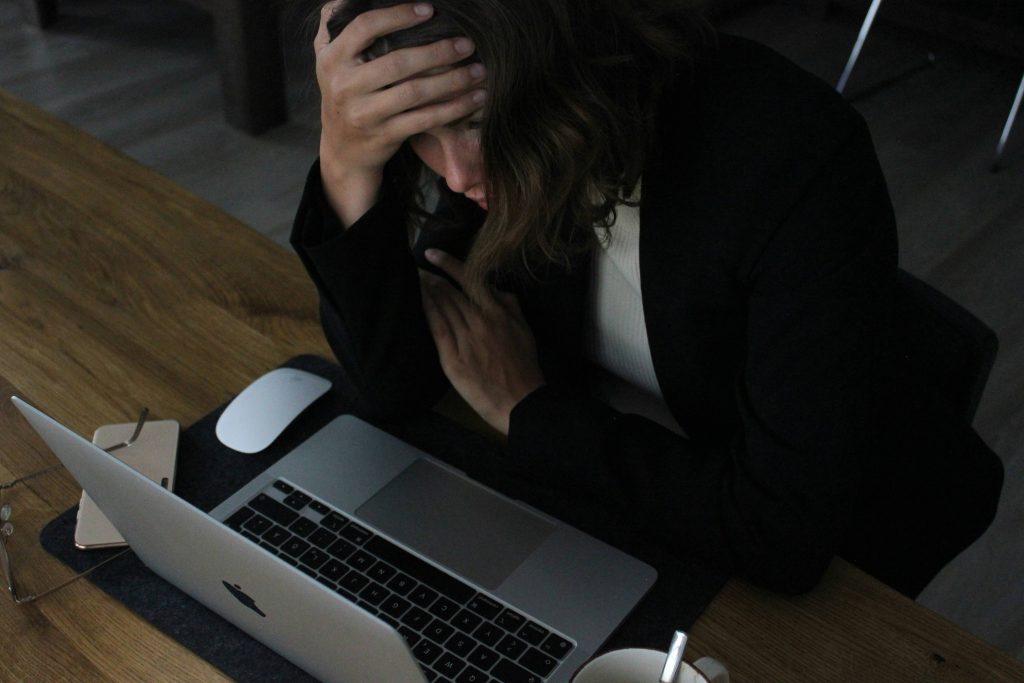
Dubai is one of the most ambition-amplifying cities on earth and that’s exactly the problem.
There’s no natural ceiling here. No moment where you look around and say, “Okay, I’ve done enough.” Your neighbor just upgraded their car. Your colleague just moved to a bigger villa in Emirates Hills. The Instagram feeds never stop. And every year, a new wave of high-earners arrives to reset the benchmark.
This isn’t just anecdotal. Research consistently shows that anxiety disorders are among the most common chronic psychiatric conditions in the world and sociocultural environments that create relentless comparison and pressure are known to amplify neurotic symptoms, especially in young adults.
Research published in the Asian Journal of Psychiatry identified this exact pattern, that sociocultural pressures, economic instability, and high expectations significantly amplify anxiety and burnout symptoms, particularly among younger adults navigating high-demand urban environments.
If you are a working professional in Dubai who:
- Wakes up exhausted even after sleep
- Feels a constant, free-floating dread that won’t go away
- Has tried to “push through” for months and it’s not working
- Is wondering whether therapy, medication, or something else entirely is the answer
This guide was written for you.
- Key Takeaways (TL;DR)
- What Are Burnout and Severe Anxiety and How Do You Spot Them in Yourself?
- What Are Your Treatment Options and Which One Works Best?
- How Do You Choose the Right Clinic and Psychiatrist in Dubai?
- Which Dubai Psychiatrists and Clinics Are Recommended for Burnout and Anxiety?
- Myths vs. Reality: What You Probably Believe That Isn't True
- Summary
- FAQs
Key Takeaways (TL;DR)
- Dubai’s high-pressure, comparison-driven culture creates a perfect storm for burnout and chronic anxiety
- Anxiety disorders affect approximately 30% of people over a lifetime globally, Dubai is no exception
- Three proven treatments exist: medication (SSRIs), rTMS brain stimulation, and a combination of both
- Combined therapy outperforms either treatment alone for reducing anxiety and depression
- rTMS is non-invasive, drug-free, and particularly effective for people who don’t respond well to medication
- Choosing the right psychiatrist in Dubai matters as much as choosing the right treatment
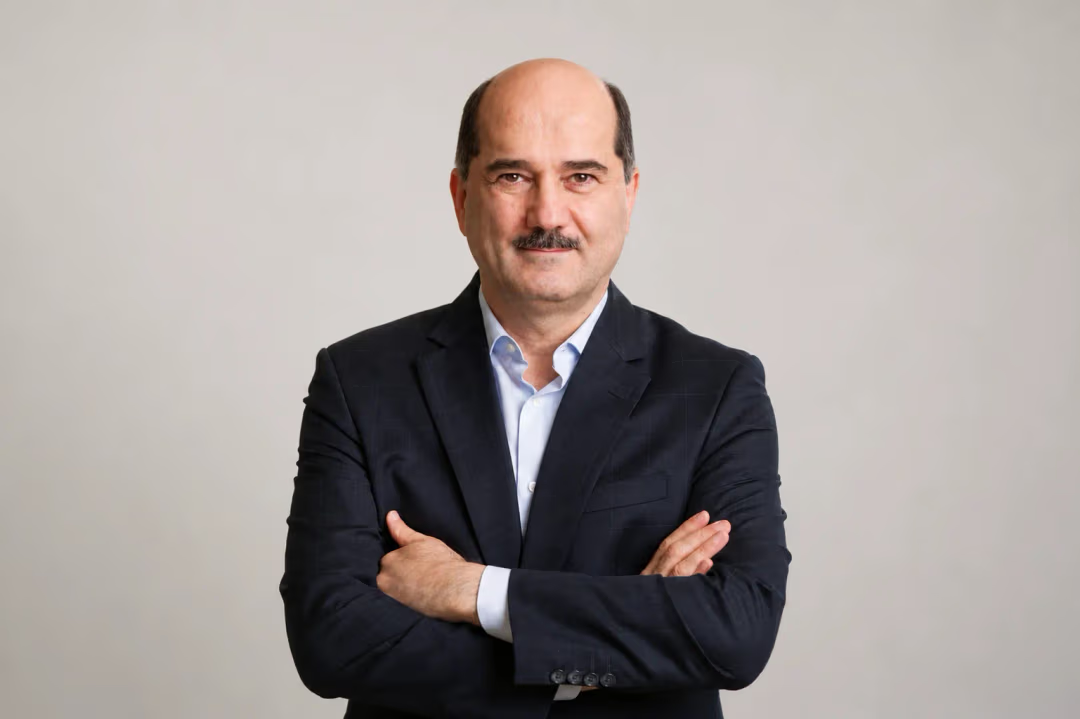
Dr. Ali Vahdani
Specialist Psychiatrist · 28+ Years Experience
What Are Burnout and Severe Anxiety and How Do You Spot Them in Yourself?
Burnout and anxiety are not the same thing, but in Dubai’s environment, they almost always travel together.
What Is Burnout?
Burnout is a state of chronic physical and emotional exhaustion caused by prolonged, unmanaged stress, especially from work. It’s what happens when your nervous system has been running on overdrive for too long.
Signs you may be experiencing burnout:
- Persistent fatigue that sleep doesn’t fix
- Feeling detached or cynical about your job (even one you used to love)
- Reduced performance and difficulty concentrating
- Emotional numbness; you feel very little, positive or negative
- Physical symptoms: headaches, digestive issues, frequent illness
What Is Severe Anxiety (Generalized Anxiety Disorder)?
Generalized Anxiety Disorder (GAD) is characterized by uncontrollable, excessive, and persistent worry that is disproportionate to the actual situation and it lasts for at least six months.
According to research published in the Journal of Affective Disorders Reports, GAD is marked by:
- Constant worry across multiple areas of life (work, money, health, relationships)
- Restlessness and feeling “on edge”
- Difficulty concentrating
- Muscle tension
- Sleep disturbances
- Fatigue
The key difference from normal stress
Normal stress is tied to a specific situation and fades when the situation resolves. GAD doesn’t stop, even when things are objectively fine.
How Anxiety Creates a Vicious Cycle: The Avoidance Trap
Here’s where it gets particularly dangerous for ambitious professionals.
Severe anxiety creates what researchers call avoidance behavior, the tendency to avoid situations, tasks, or interactions that trigger stress. It feels like relief in the short term. But in the long run, it makes everything worse.
The cycle looks like this:
- Work stress feels overwhelming
- You avoid the stressful task (procrastinate, cancel, delegate)
- Temporary relief but the problem doesn’t go away
- Anxiety grows because avoidance prevents you from learning that you can handle it
- Avoidance becomes the default and burnout deepens
Research published in Molecular Psychiatry (Ohi et al., 2025) explains this clearly: avoidance behaviors paradoxically reinforce anxiety and fear by preventing exposure to the feared stimulus, perpetuating the disorder rather than resolving it. Over time, avoidance behaviors become more deeply ingrained, making the anxiety harder to treat.
In other words: the more you avoid, the worse your brain gets at managing stress.
Anxiety vs Fear: Why the Distinction Matters for Your Treatment
| Factor | Fear | Anxiety |
| Trigger | Specific, identifiable threat | No specific trigger; generalized |
| Timing | Reactive (happening NOW) | Anticipatory (future-focused) |
| Brain region involved | Amygdala (fear processing center) | HPA axis + prefrontal cortex |
| Physical sensations | Heart racing, sweating, trembling | Muscle tension, fatigue, restlessness |
| Treatment approach | Exposure therapy | Cognitive restructuring + medication/rTMS |
This distinction matters enormously. GAD (the anxiety most associated with burnout in Dubai) is classified as an “anxiety-dominant” disorder, meaning treatment must focus on restructuring chronic thought patterns and regulating the brain’s stress system, not just on managing acute fear.
What Are Your Treatment Options and Which One Works Best?
The research is clear: you have three evidence-based options. Let’s break each one down honestly.
Option 1: Pharmacotherapy (Medication)
Pharmacotherapy means treating anxiety and depression with medication prescribed by a psychiatrist. The most commonly used medications for anxiety and burnout-related depression are SSRIs (Selective Serotonin Reuptake Inhibitors: drugs that help your brain regulate serotonin, the “mood stabilizing” chemical).
A common example used in research is escitalopram (A common antidepressant medication), typically started at 20mg per day and adjusted based on response.
SSRIs increase the availability of serotonin in the brain, the neurotransmitter (Brain chemical sending signals) responsible for regulating mood, anxiety, and emotional stability. Think of it like raising the water level in a reservoir that’s been running dangerously low.
What Does the Research Say?
In a 2026 clinical study published in the Journal of Research in Psychopathology, participants with high anxiety and depression who received pharmacotherapy (escitalopram) for 8 weeks showed:
- Significant reduction in anxiety scores (from an average of 34.8 to 22.0)
- Significant reduction in depression scores (from 30.0 to 19.2)
These results were statistically significant compared to the control group.
Who Is Medication Right For?
- People experiencing moderate to severe anxiety and depression
- Those who need faster initial symptom relief
- Patients who can commit to a structured prescription follow-up
- People without contraindications to SSRIs
Limitations to Know
- Takes 4-8 weeks for full effects
- May cause side effects in some patients (nausea, sleep changes, sexual dysfunction)
- Does not treat the root neurological patterns, symptoms may return after stopping
- Approximately 50% of GAD patients do not respond adequately to medication alone
Option 2: rTMS (Repetitive Transcranial Magnetic Stimulation)
rTMS is a non-invasive, drug-free therapy that uses magnetic pulses to stimulate specific brain regions involved in mood and anxiety regulation. A coil is placed on the scalp, and magnetic pulses pass painlessly through the skull to reach the target brain area.
Think of it like using a precise external magnet to “reboot” the circuits in your brain that have been running in the wrong pattern.
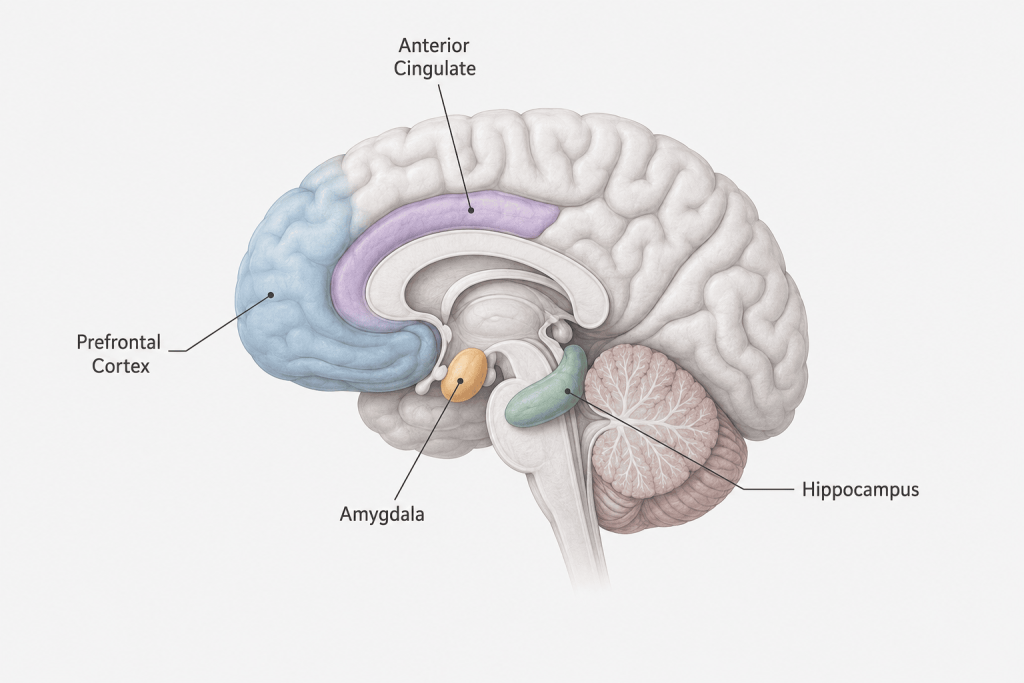
The primary target is the DLPFC (Dorsolateral Prefrontal Cortex) the brain region responsible for emotional regulation and top-down control over the amygdala (your brain’s alarm system).
In anxiety and burnout states, the DLPFC becomes underactive, losing its ability to turn off the brain’s threat-detection systems. rTMS works by:
- Stimulating the left DLPFC at high frequency (10 Hz) to increase its activity and restore control over anxious thought loops
- Inhibiting the right DLPFC at low frequency (1 Hz) to reduce negative emotional activity
- Enhancing neurotransmitter release, particularly serotonin and BDNF (Brain-Derived Neurotrophic Factor), a chemical that promotes brain health and resilience
- Promoting neuroplasticity, literally helping your brain form healthier new circuits
What Does the Research Say?
Multiple studies reviewed in the Journal of Affective Disorders Reports (Zhang et al., 2025) confirm:
- In early research, 60% of GAD patients showed significant anxiety improvement from rTMS, effects that remained stable at 6-month follow-up
- High-frequency rTMS on the right DLPFC produced improvements in anxiety that were sustained at 2- and 4-week follow-ups
- Low-frequency rTMS (1 Hz) targeting the right DLPFC at above 90% motor threshold, for more than 3 weeks and more than 10 sessions, was associated with the best outcomes
In the 2026 Journal of Research in Psychopathology study:
- rTMS group reduced anxiety scores from 36.1 to 20.3 (a drop of nearly 16 points)
- rTMS group reduced depression scores from 31.2 to 18.5
- All improvements were statistically significant compared to the control group
rTMS Protocol: What Happens During Treatment?
| Parameter | Typical Protocol |
| Target area | Left or right DLPFC (Dorsolateral Prefrontal Cortex) |
| Frequency | 1 Hz (inhibitory) or 10-20 Hz (excitatory) |
| Intensity | 65-110% of resting motor threshold (Minimum magnetic power for response) |
| Sessions | 20-30 sessions (5 per week) |
| Duration | 4-6 weeks |
| Session length | ~30-40 minutes |
| Feeling | Light tapping sensation on scalp; no anesthesia needed |
rTMS Also Improves Cognitive Function
This matters for burned-out professionals in Dubai: GAD significantly impairs working memory, decision-making, attention, and executive function.
Research shows that rTMS combined with medication produced greater improvements in cognitive function than medication alone, assessed using standardized cognitive batteries (Standardized mental function tests). For professionals whose livelihood depends on sharp thinking, this is a meaningful advantage.
Who Is rTMS Right For?
- People who cannot tolerate medication or prefer a drug-free approach
- Those who have not fully responded to SSRIs alone
- Professionals who want to maintain cognitive sharpness during treatment
- Anyone willing to commit to a structured, multi-week treatment course in a clinic
Option 3: Combined Therapy (Medication + rTMS)
Combined therapy means receiving both rTMS sessions and pharmacotherapy (SSRIs) simultaneously under psychiatric supervision.
The science is unambiguous here. The 2026 clinical trial in the Journal of Research in Psychopathology found:
- Combined therapy produced the greatest reductions in anxiety, average scores dropped from 35.5 to 15.5 (a 56% reduction)
- Combined therapy produced the greatest reductions in depression, scores dropped from 30.8 to 15.0
- Combined therapy outperformed both rTMS alone and medication alone
The reason is neurobiological: rTMS and SSRIs work through complementary pathways. SSRIs increase serotonin availability, while rTMS modulates the neural circuits that determine how that serotonin is used. Together, they amplify each other’s effects.
The Bottom Line: Treatment Comparison
| Factor | Medication Only | rTMS Only | Combined |
| Anxiety reduction | Strong | Strong | Strongest |
| Depression reduction | Strong | Strong | Strongest |
| Cognitive improvement | Moderate | Good | Best |
| Drug-free | No | Yes | Partial |
| Time to effect | 4-8 weeks | 4-6 weeks | 4-8 weeks |
| Non-invasive | Yes | Yes | Yes |
| Best for | Standard cases | Medication intolerance / preference | Treatment-resistant / maximum results |
How Do You Choose the Right Clinic and Psychiatrist in Dubai?
Choosing a psychiatrist is not like booking a GP appointment. The relationship, expertise, and tools available directly determine your outcomes.
What Qualifications Should Your Dubai Psychiatrist Have?
- DHA License (Dubai) or DOH License (Abu Dhabi): Mandatory for legal practice in the UAE
- Specialist Psychiatrist designation, not just a general practitioner
- Board certification from a recognized institution (e.g., Royal College of Psychiatrists UK, national board certifications)
- Experience specifically with anxiety disorders and burnout, not just general psychiatry
What Specific Expertise Should You Look For?
For burnout and severe anxiety treatment in Dubai, prioritize psychiatrists with:
- rTMS experience if you’re considering that treatment path
- Experience with dual diagnosis (burnout + anxiety + possible depression together)
- A track record with medication-resistant or medication-sensitive patients
- Ability to communicate in your language, this is often underestimated but critical for accurate diagnosis
What Should a Good Initial Assessment Include?
- A thorough clinical interview (not just a checklist)
- Personality and symptom assessment to determine anxiety subtype
- Clear explanation of treatment options with evidence-based rationale
- Discussion of your specific lifestyle, work demands, and goals
Red Flags to Watch For
- Clinics that recommend rTMS without first doing a psychiatric assessment
- Psychiatrists who prescribe medication without discussing alternatives
- Very short initial appointments (under 30 minutes)
- No follow-up protocol after starting treatment
Which Dubai Psychiatrists and Clinics Are Recommended for Burnout and Anxiety?
Dr. Ali Vahdani | AIC Polyclinic & Aeon Clinic, Dubai
Dr. Vahdani is a Specialist Psychiatrist with 28 years of experience in neuropsychiatry, with a specific focus on innovative brain diagnostics and neuromodulatory therapies, including rTMS.
He is recognized for managing complex psychiatric cases, including treatment-resistant depression and anxiety, exactly the patient profile that benefits most from rTMS or combined treatment.
What Makes Him Stand Out for Burnout and Anxiety:
- Direct expertise in rTMS therapy for patients who haven’t responded to standard medication
- Comprehensive approach: integrates medication management, CBT (Talk therapy changing negative thoughts), psychotherapy, and brain stimulation
- Uses brain mapping diagnostics to identify the specific neural patterns driving a patient’s symptoms, allowing for genuinely personalized treatment planning
- Speaks English, Arabic, and Farsi, essential for diverse Dubai patient population
Dr. Ali Vahdani
Specialist Psychiatrist · 28+ Years Experience
Dr. Raga Sandhya Gandi | Dubai
Dr. Gandi is a Specialist Psychiatrist with 6+ years of experience holding an MRC Psych (UK), Member of the Royal College of Psychiatrists.
What Makes Her Stand Out for Burnout and Anxiety:
- Hands-on experience with both TMS (Transcranial Magnetic Stimulation) and Biofeedback, two of the most relevant interventions for anxiety-related burnout
- Trained in Adult Psychiatry, Consultation Liaison Psychiatry, and Psychotherapy
- Experience with ECT and neuromodulation services, indicating a sophisticated understanding of brain-based treatments
- Special interest in Psycho-oncology and Palliative Care, reflecting a holistic, patient-centered philosophy
- Languages: English, Hindi, Telugu
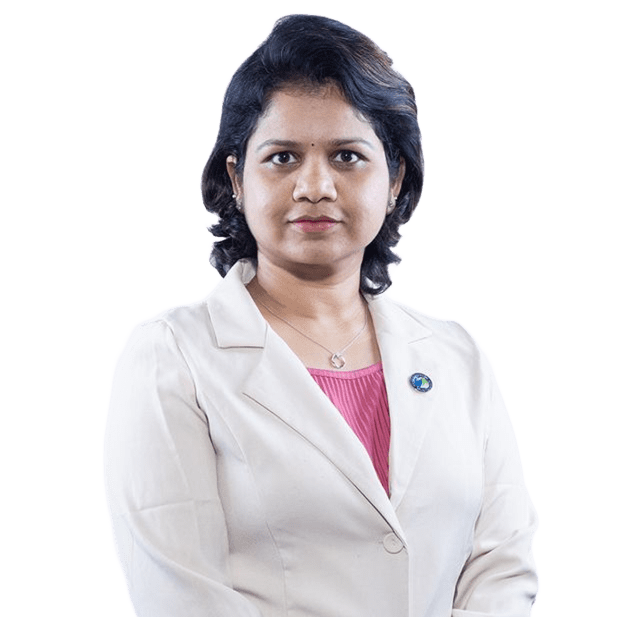
Dr. Raga Sandhya Gandi
Specialist Psychiatrist · MRCPsych (UK) · 6+ Years Exp
Dr. Majid Sadeghi | Dubai
Dr. Sadeghi brings 35+ years of clinical and academic expertise as a Mood, Anxiety, and Geriatric Psychiatry Specialist; making him one of the most experienced psychiatrists available for anxiety treatment in Dubai.
What Makes Him Stand Out for Burnout and Anxiety:
- Deep specialization in anxiety disorders and mood disorders, the exact presentation of burnout-driven anxiety
- Published 30+ international journal articles, bringing research-level knowledge into clinical practice
- International Associate Member of the Royal College of Psychiatrists
- Former professor at Roozbeh Hospital, Tehran University of Medical Sciences, a leading psychiatric institution
- Languages: English, Persian (Farsi)
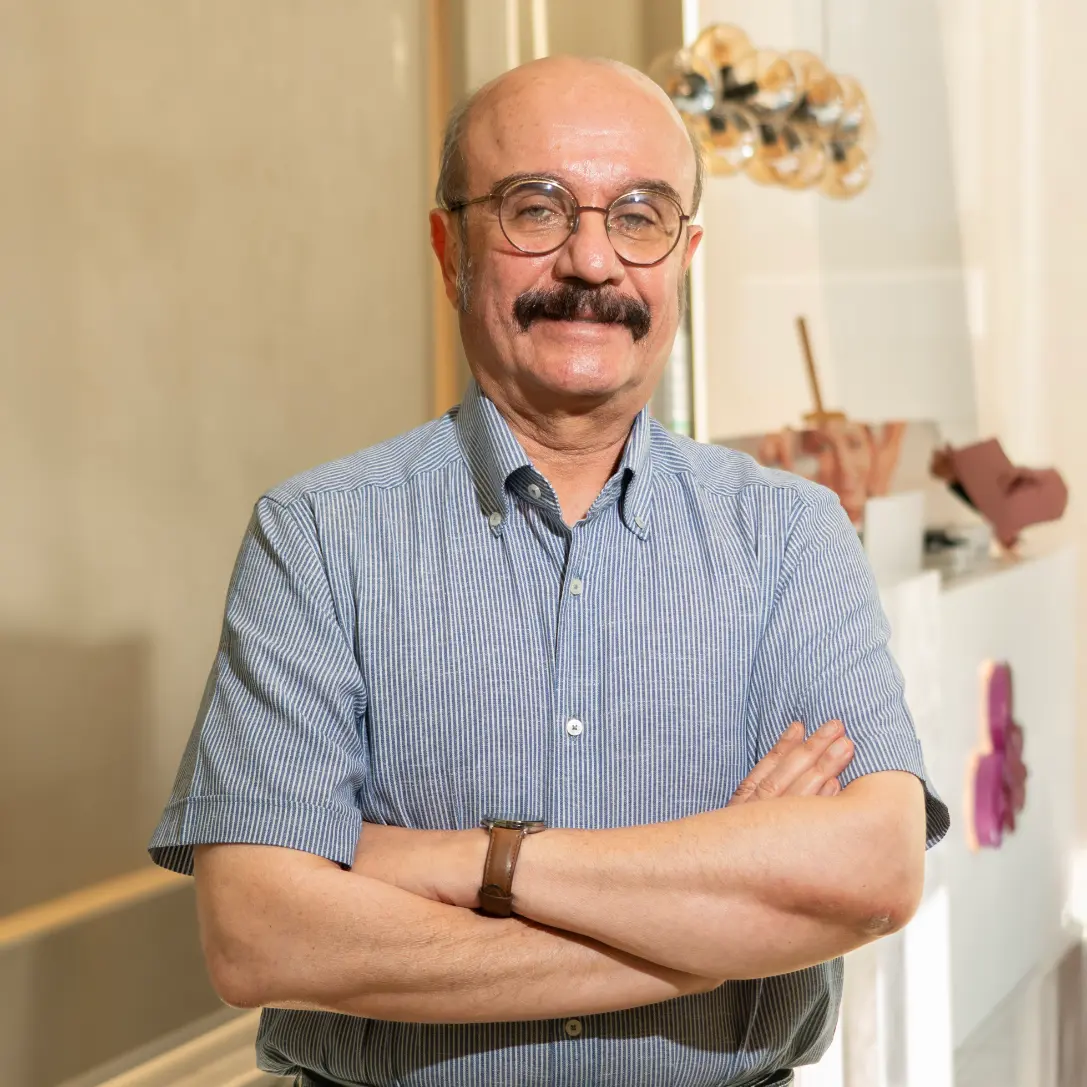
Dr. Majid Sadeghi
Mood, Anxiety & Geriatric Psychiatrist · 35+ Years Exp
Dr. Shima Shariatkhah | AIC City Poly Clinic, Dubai
Dr. Shariatkhah offers 5+ years of specialized psychiatric practice with a notably broad range of clinical experience, including inpatient ward leadership and online psychiatric care.
What Makes Her Stand Out for Burnout and Anxiety:
- Active DHA Specialist Psychiatrist License (Dubai) fully compliant for UAE practice
- Expertise in Major Depressive Disorder, Anxiety Disorders, and Psychosis, the full spectrum of burnout presentations
- Experience with ECT (Electroconvulsive Therapy: Medical brain stimulation via electricity) treatments and multidisciplinary team leadership
- Currently heads a multidisciplinary mental health team and offers both clinic-based and remote/online psychiatry
- Trained in Couple Therapy and Psychoeducation, valuable for burnout that impacts relationships
- Languages: English, Arabic

Dr. Shima Shariatkhah
DHA Licensed Specialist Psychiatrist · 5+ Years Exp
Myths vs. Reality: What You Probably Believe That Isn’t True
| Common Myth | The Reality |
| “rTMS is experimental and unproven” | rTMS has been FDA-approved since 2008 (for MDD) and 2018 (for OCD), with a large body of clinical evidence supporting its use for anxiety |
| “Medication will change my personality” | SSRIs regulate mood chemistry, they do not alter your core personality. Most patients report feeling “more like themselves” |
| “Burnout will go away on its own with rest” | Without addressing the underlying anxiety patterns, rest provides temporary relief but the cycle restarts. Treatment addresses root neurological causes |
| “If I need medication or rTMS, I must be severely unwell” | These treatments are appropriate across a wide spectrum. Many high-functioning professionals benefit from them |
| “rTMS is painful” | rTMS sessions involve a light tapping sensation. Most patients read or listen to music during sessions |
| “Anxiety is just stress, everyone has it” | GAD (Generalized Anxiety Disorder) is a clinical diagnosis affecting specific brain circuits. It requires targeted treatment, not just stress management |
| “Combined treatment is only for the worst cases” | Research shows combined therapy is the most effective approach for most people, not just for treatment-resistant patients |
Summary
Burnout and severe anxiety in Dubai respond well to evidence-based treatment. Whether that’s medication, rTMS, or a combination, the key is starting with the right psychiatric assessment from a qualified specialist.
Nova Voya connects you with top-rated, DHA-licensed psychiatrists in Dubai who specialize in exactly this intersection of burnout, anxiety disorders, and advanced neuromodulation treatments like rTMS.
Not Sure Which Specialist in Dubai Is Right for You? 🏥
Nova Voya helps international patients navigate advanced medical care in Dubai, connecting you with top-tier specialists. We match you with surgeons and hospitals that are genuinely equipped for your specific medical needs, not just ones that list them on a website.
- ✔ Personalized matching with leading experts
- ✔ Support coordinating appointments, second opinions, and hospital logistics
- ✔ Independent guidance on procedure options
*Medical tourism guidance, not clinical advice
Where do you feel you are right now; early-stage burnout, established anxiety, or something more complex?
FAQs
A qualified psychiatrist will assess your symptoms, history, and treatment preferences; then recommend the most appropriate path, which may be medication, rTMS, or a combination of both.
Yes. Several DHA-licensed psychiatric clinics in Dubai offer rTMS therapy, administered by experienced specialist psychiatrists.
A standard rTMS course runs 4-6 weeks (5 sessions per week). Medication typically requires 8 weeks to assess full response. Combined treatment follows a similar timeline.
Yes. Both rTMS and medication allow most patients to maintain their daily routines. rTMS sessions typically last 30-40 minutes and require no recovery time.
Burnout is primarily caused by sustained work-related stress and involves exhaustion and disengagement. Clinical anxiety (like GAD) is a brain-based disorder involving chronic, excessive worry regardless of external circumstances. Both often occur together and both benefit from psychiatric treatment.
Coverage varies significantly by provider and plan. It is advisable to check with your insurer before beginning treatment. Nova Voya can help guide you through this process.
Prioritize DHA licensure, specialist psychiatrist designation, experience with anxiety disorders, and familiarity with both pharmacological and neuromodulatory (rTMS) treatment options.
Yes. Research shows that both rTMS and combined treatment significantly improve cognitive function; including attention, working memory, and decision-making in anxiety patients.
Scientific Sources: This article is based on three peer-reviewed studies:
(1) Nemati, S. & Sadeghi, S. (2026). TMS and Pharmacotherapy: Combined Effects on Depression, Anxiety, and OCD Traits in Neuroticism. Journal of Research in Psychopathology, Vol. 7, No. 1, pp. 34-39. DOI: 10.22098/jrp.2025.17288.1310
(2) Zhang, X. et al. (2025). The Impact of rTMS on Anxiety and Cognitive Function in Generalized Anxiety Disorder. Journal of Affective Disorders Reports, 21, 100945. DOI: 10.1016/j.jadr.2025.100945
(3) Ohi, K. et al. (2025). Clinical Features and Genetic Mechanisms of Anxiety, Fear, and Avoidance: A Comprehensive Review of Five Anxiety Disorders. Molecular Psychiatry, 30, 4928-4936. DOI: 10.1038/s41380-025-03155-1
Always consult a qualified psychiatrist before making changes to your mental health treatment plan.