

Cosmetic surgery is booming. In clinics from Dubai to Istanbul, rhinoplasty (the nose job) is one of the most requested procedures on the planet. And the numbers keep climbing.
But here’s a problem nobody likes to talk about: not every patient who wants rhinoplasty should have rhinoplasty.
As the industry has grown, so has the financial pressure on surgeons. A full consultation calendar means less time for the hard conversations. Saying “yes” is easier than saying “wait.” And patients, understandably, want to hear what they came for.
“A technically perfect nose job can still leave a patient miserable, if the wrong person is on the operating table.”
This article is about helping you find the surgeons who are brave enough to have that hard conversation. It’s also about helping you think more carefully about your own readiness, before you make a decision you can’t easily reverse.
The red flags below are drawn directly from peer-reviewed medical research. They are the same signals that responsible surgeons screen for before they agree to operate.
Table of Contents
- Key Takeaways (TL;DR)
- What Are the 8 Signs That Nose Job Might Not Be Right for You?
- Do You Obsess Over a Flaw in Your Nose That Others Can't Really See?
- Are You Currently Going Through Anxiety or Depression?
- Are Your Expectations Realistic or Do You Have a "Perfect Nose" in Mind?
- Dr. Alireza Mohebbi
- Is Someone Else Pushing You Toward This Surgery?
- Is There Actually No Visible Defect, You Just Want Your Nose to Be "More Beautiful"?
- Have You Already Had Several Cosmetic Procedures and Still Feel Unsatisfied?
- Dr. Manoj Kumar
- Do You Show Signs of Social Anxiety, Avoidance, or Severe Self-Consciousness?
- Are Narcissistic, Obsessive, or Dependent Personality Traits Part of Your Profile?
- How Does a Good Surgeon Actually Screen for These Red Flags?
- What are some of the most common misconceptions surrounding rhinoplasty and mental health?
- Summary
- FAQs
Key Takeaways (TL;DR)
- Up to 57.8% of people seeking rhinoplasty show signs of a psychological disorder, without knowing it.
- Patients with anxiety, depression, or body dysmorphic disorder consistently report lower satisfaction, even after technically successful surgery.
- Unrealistic expectations are one of the strongest predictors of postoperative dissatisfaction.
- External pressure (from family, partners, or social media) is a known red flag that responsible surgeons look for.
- A good surgeon will sometimes say “not yet” and that protects you.
- Preoperative psychological readiness is as important as physical readiness for rhinoplasty outcomes.
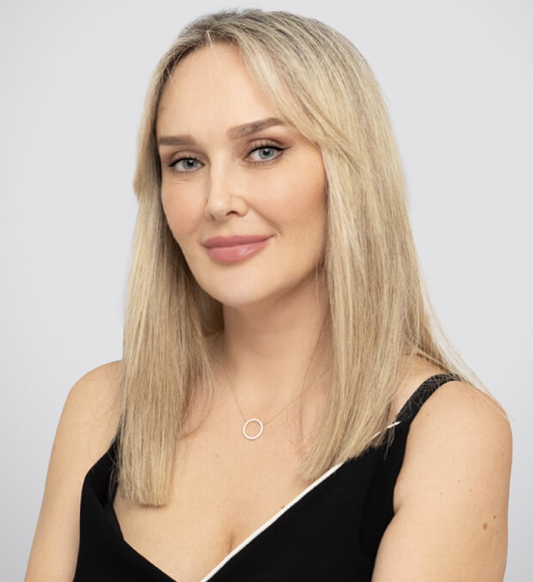
19+ Years Experience · MSc in Surgical Anatomy
What Are the 8 Signs That Nose Job Might Not Be Right for You?
These aren’t opinions. They’re the patterns that researchers found, across 11 studies, from Turkey to India to Norway, that predict who walks away from rhinoplasty unhappy, even when the surgery goes perfectly well.
Do You Obsess Over a Flaw in Your Nose That Others Can’t Really See?
This is the hallmark of Body Dysmorphic Disorder (BDD) a condition where a person becomes preoccupied with a perceived defect in their appearance that is either very minor or completely invisible to others.
Research shows BDD may affect up to 57.8% of people seeking rhinoplasty. That’s more than half. The nose sits at the center of the face, making it especially vulnerable to this kind of intense self-scrutiny.
Here’s the critical problem: surgery does not fix BDD. In fact, patients with BDD who go through rhinoplasty consistently report lower satisfaction scores afterwards; regardless of how good the result looks technically. The obsession simply shifts elsewhere.
Watch for this:
You find yourself checking your nose in mirrors many times a day. You believe your nose is “ruining” your social life, but can’t explain clearly what exactly you’d like to change, you just want it to look “beautiful.”
Are You Currently Going Through Anxiety or Depression?
Research consistently found that patients with pre-existing anxiety or depression reported significantly lower satisfaction after rhinoplasty, even when the surgery was objectively successful.
If you’re already struggling to feel good about yourself, surgery changes the nose but it doesn’t change the internal filter through which you see yourself. The lens stays the same.
Studies also showed that patients with anxiety tend to focus excessively on minor or even non-existent post-surgical imperfections. What a non-anxious person would consider a great result, an anxious person may experience as a failure.
Watch for this:
You’re currently in a low or anxious period of your life. You believe your nose is the main cause of your unhappiness. You’ve been told by a doctor or therapist that you’re struggling with your mental health right now.
Are Your Expectations Realistic or Do You Have a “Perfect Nose” in Mind?
Unrealistic expectations are one of the strongest single predictors of dissatisfaction after rhinoplasty. Researchers found this across multiple studies and multiple countries.
What does “unrealistic” look like? It might mean expecting the nose of a specific celebrity, believing that changing your nose will fix your confidence, your relationships, or your career. It might mean having a very specific ideal that the surgeon cannot guarantee.
The research is clear: when a patient’s expectations and the surgeon’s realistic goals don’t align, postoperative satisfaction drops dramatically, even when the technical outcome is excellent.
Watch for this:
You have a photo of someone else’s nose saved on your phone. You believe that changing your nose will change your social life or career. The surgeon says the result you want may not be achievable and you feel frustrated by that.
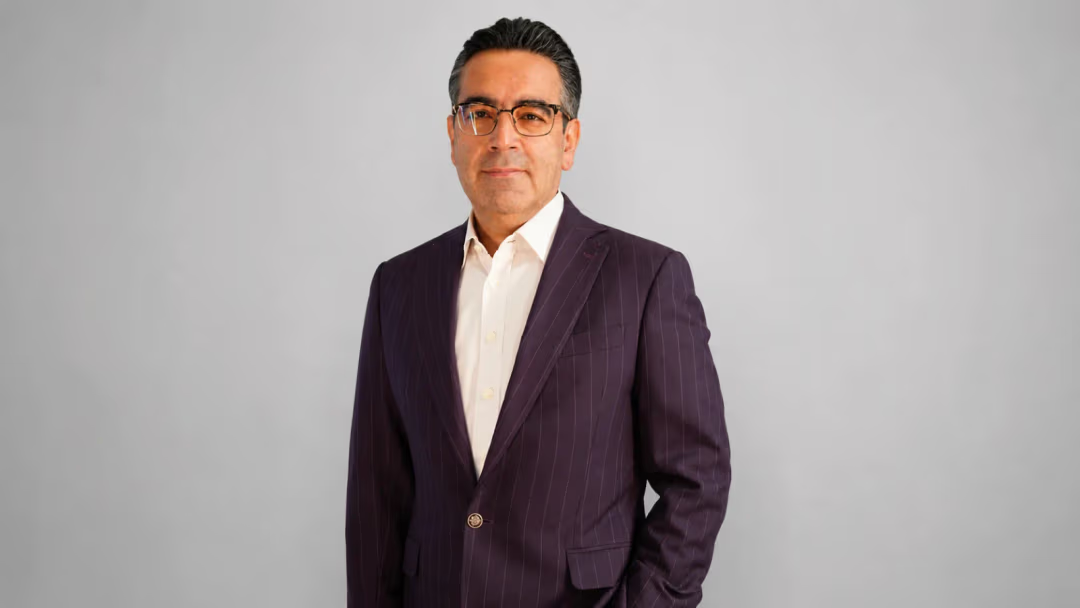
Dr. Alireza Mohebbi
ENT Specialist & Board-Certified Facial Plastic Surgeon · 23 Years Experience
Is Someone Else Pushing You Toward This Surgery?
Research shows that a patient’s self-image is profoundly shaped by the opinions of those around them; family, partners, and friends. When the motivation for surgery comes from outside rather than inside, outcomes tend to be poor.
Knowing someone who has had cosmetic surgery is itself a predictor of pursuing rhinoplasty. The desire to “fit in” or meet an external standard; social media, cultural ideals, a partner’s preference is a warning sign that the patient may not be making a fully autonomous decision.
Adults under 25 are especially vulnerable to this. Research found that heightened sensitivity to appearance and the desire to conform to social standards drives a disproportionately high number of young rhinoplasty candidates.
Watch for this:
A family member or partner has been commenting on your nose. You started thinking about surgery after seeing results on social media. You feel pressure, however subtle, to look a certain way for someone else.
Is There Actually No Visible Defect, You Just Want Your Nose to Be “More Beautiful”?
Researchers separated rhinoplasty candidates into two categories: patients with a clearly visible nasal concern and those without an obvious physical defect. The results were striking.
Patients without a visible defect, who simply asked surgeons to make their nose “just beautiful” showed 100% overlap with traits associated with BDD. They also showed excessive anxiety, claimed social limitations due to their nose, and cosmetic surgery consistently failed to improve their psychological outcomes.
In other words: if your nose is medically and aesthetically normal but you’re still deeply unhappy with it, the issue is unlikely to be structural. Surgery won’t reach the source of the distress.
Watch for this:
Multiple people in your life, including previous consultations, have said your nose looks fine. You’ve been told there’s nothing significant to correct. The SCHNOS (a standard rhinoplasty screening tool) doesn’t indicate clinical need, but you still feel an urgent need to operate.
Have You Already Had Several Cosmetic Procedures and Still Feel Unsatisfied?
Research shows that patients seeking secondary rhinoplasty (a revision of a previous nose job) are far more likely to have psychiatric disorders than those seeking their first procedure.
The pattern is significant: people predisposed to or experiencing psychiatric disorders may seek cosmetic surgery to correct a mental health issue they don’t recognize.
This is not a judgment, it’s a well-documented clinical finding. If you’ve had multiple aesthetic procedures and each one has left you looking for the next fix, that cycle is worth examining carefully before adding another surgery to the list.
An increasing number of surgeons now view a pattern of repeat cosmetic surgery as a contraindication for aesthetic rhinoplasty.
Watch for this:
This would be your second or third rhinoplasty. You’ve had several other procedures in recent years. Each surgery has left you feeling “almost there” but never quite satisfied.

Dr. Manoj Kumar
Plastic & Reconstructive Surgeon · 25+ Years Experience
Do You Show Signs of Social Anxiety, Avoidance, or Severe Self-Consciousness?
One study compared rhinoplasty candidates directly to a control group using validated psychological tools. The results showed that rhinoplasty candidates scored significantly higher for social anxiety and avoidance than the general population.
Social anxiety in this context means actively avoiding social situations because of how you believe you look. It means that appearance isn’t just a cosmetic concern, it’s an obstacle to living your life. When this is the case, surgery addresses the wrong problem. The anxiety, not the nose, is what needs treatment.
Watch for this:
You avoid photos, social events, or meetings because of your nose. You feel your nose limits your relationships or career and score high on self-consciousness about your appearance in most situations.
Are Narcissistic, Obsessive, or Dependent Personality Traits Part of Your Profile?
Research examining personality traits in rhinoplasty candidates found a high prevalence of narcissistic, dependent, and obsessive-compulsive disorder traits among those seeking nose surgery.
These personality profiles are strongly associated with post-surgical dissatisfaction.
Patients with these traits often focus obsessively on minor or nonexistent imperfections. They may have extremely high standards for the result. And when the outcome falls even slightly short of their internal ideal, even if it looks excellent to everyone else, dissatisfaction follows.
This doesn’t mean these individuals shouldn’t ever have surgery. It means that preoperative psychological support is essential before making that decision.
Watch for this:
You have extremely high standards for the result. You have a history of obsessive thinking about appearance. You’ve been told by a mental health professional that you may have OCD, dependent, or narcissistic traits.
How Does a Good Surgeon Actually Screen for These Red Flags?
Here’s how to tell whether you’re sitting in front of a surgeon who is looking out for you or one who just wants to add your case to their portfolio.
A responsible rhinoplasty surgeon will go beyond just looking at your nose. They will ask about your life. Research confirms that assessing motivations, expectations, goals of surgery, self-perceived body image, psychiatric history, and current psychological state is the clinical standard for evaluating a patient’s suitability for cosmetic surgery.
- They ask why you want this surgery and they listen carefully to the answer. If your reason is vague (“I just want it to look better”), they probe deeper.
- They use validated screening tools، tools like the FACE-Q, SCHNOS, or PRIME-MD questionnaire help identify psychological disorders that affect outcomes. A surgeon who skips this is skipping important clinical data.
- They ask about your mental health history, including any history of depression, anxiety, OCD, eating disorders, or previous cosmetic procedures.
- They check whether your goals are achievable; a good surgeon will tell you honestly what they can and cannot deliver, rather than saying yes to everything.
- They may recommend that you wait or seek support first, this is not a rejection. It’s the most important service a surgeon can offer. Research explicitly states that rhinoplasty should be deferred in patients with signs of psychological unreadiness.
- They take time, a 10-minute consultation that ends with a booking is a red flag in itself. Preoperative counseling takes time.
- They say the word “no” sometimes; not often, but when it matters. If a surgeon has never turned anyone away, that tells you something.
Dr. Dragana Spica
Lead of Aesthetic Clinics · Specialist Plastic & Reconstructive Surgeon
19+ Years Experience · MSc in Surgical Anatomy
What are some of the most common misconceptions surrounding rhinoplasty and mental health?
| MYTH | REALITY (BASED ON RESEARCH) |
| “If the surgery goes well technically, I’ll be happy with the result.” | Technical success does not predict satisfaction. Psychological readiness, realistic expectations, and pre-existing mental health all shape the perceived outcome, sometimes more than the surgery itself. |
| “BDD is rare. It doesn’t apply to most people seeking rhinoplasty.” | Research found BDD prevalence may be as high as 57.8% among rhinoplasty candidates. It is far more common in this population than in the general public and most people with BDD are unaware they have it. |
| “Rhinoplasty will automatically improve my confidence and social relationships.” | For patients with anxiety, BDD, or social dysfunction, surgery typically does not fix the underlying issue. These patients often fail to recognize the psychological root of their distress, and dissatisfaction persists after surgery. |
| “If I want it badly enough, I’m clearly ready for it.” | Intensity of desire is not a measure of psychological suitability. Patients with BDD, depression, and obsessive traits often want rhinoplasty most urgently and experience the worst outcomes. |
| “A second rhinoplasty can solve everything the first surgery failed to fix.” | Secondary rhinoplasty candidates are significantly more likely to have underlying psychiatric disorders. Without addressing the psychological component, a revision is unlikely to produce satisfaction either. |
| “My surgeon said I’m a good candidate, so I must be fine.” | Many surgeons do not conduct formal psychological screening. A physical assessment alone is not sufficient. Psychological readiness must be evaluated independently, ideally with validated tools. |
| “Younger patients always recover faster and achieve superior results.” | Research found that adults under 25 are actually at higher risk, driven by heightened appearance sensitivity, desire to conform to social trends, and peer pressure. Younger age is itself a risk factor, not a protective one. |
Summary
Rhinoplasty can genuinely change lives for the better. Research confirms that patients who are psychologically ready experience significant improvements in quality of life, emotional well-being, social confidence, and satisfaction with their appearance.
But that same research makes one thing equally clear: the wrong patient, even after a perfect surgery, often walks away unhappy.
The eight red flags in this article are not reasons to give up on the idea. They are invitations to look more carefully: at your motivations, your expectations, and your mental health, before you make a permanent change to your face.
A surgeon who takes these questions seriously is not being difficult. They are doing their job with integrity. That’s the surgeon you want.
Not Sure Which Specialist in Dubai Is Right for You? 🏥
Nova Voya helps international patients navigate advanced medical care in Dubai, connecting you with top-tier specialists. We match you with surgeons and hospitals that are genuinely equipped for your specific medical needs, not just ones that list them on a website.
- ✔ Personalized matching with leading experts
- ✔ Support coordinating appointments, second opinions, and hospital logistics
- ✔ Independent guidance on procedure options
*Medical tourism guidance, not clinical advice
Before you book your rhinoplasty, which of these red flags made you stop and think?
FAQs
Research shows that patients with anxiety report lower satisfaction after rhinoplasty than those without it. Anxiety should be evaluated and ideally addressed before proceeding.
BDD is characterized by an intense preoccupation with a perceived flaw that others don’t notice or consider minor. Signs include checking your nose in mirrors repeatedly, believing your appearance is limiting your life, and struggling to clearly articulate what you want changed. Many rhinoplasty consultations in reputable clinics now include this screening.
Research shows that patients without pre-existing mental health conditions, with realistic expectations, and clear physical indications for surgery tend to report very high satisfaction, over 79% in some studies.
It depends on the reason for dissatisfaction. If the initial procedure involved a correctable technical problem, revision rhinoplasty could be a suitable option. But research shows that secondary rhinoplasty candidates are more likely to have underlying psychiatric disorders driving their dissatisfaction.
For patients who are psychologically ready, research confirms that rhinoplasty can bring significant improvements in self-confidence, social function, and psychological well-being. However, for patients with BDD, depression, or social anxiety rooted in psychological distress rather than a physical feature, surgery typically does not address the source of the problem.
A thorough consultation should include: a detailed discussion of your motivations and expectations, a review of your mental health history, an honest assessment of what is and isn’t achievable surgically, and validated psychological screening tools.
Yes and it’s actually a sign of a good surgeon. Research explicitly recommends deferring rhinoplasty in patients with signs of psychological unreadiness, including BDD, depression, anxiety, unrealistic expectations, external pressure, or a history of multiple cosmetic procedures. A surgeon who sometimes says “not yet” is protecting your long-term outcome.
Research found that adults under 25 seek rhinoplasty at higher rates, often driven by appearance sensitivity and social conformity pressure, rather than stable, long-term motivations. This doesn’t mean surgery is never appropriate for young adults, but younger age is associated with a higher risk of postoperative dissatisfaction.
Scientific Source: This article is based on peer-reviewed research by Kolos K. Nagy, Caroline J. Cushman, Michael Selby, Wm. Zachary Salter, Evan J. Hernandez, Edward Daniele, Brendan J. MacKay, and Joshua C. Demke — “Psychosocial Factors Surrounding Aesthetic Rhinoplasty: A Systematic Review” — published in Plastic and Reconstructive Surgery Global Open, 2026, Vol. 14, Article e7372. DOI: 10.1097/GOX.0000000000007372.
All medical information in this article reflects the findings of that systematic review. Always consult a qualified plastic surgeon or ENT specialist before making any decisions about rhinoplasty.