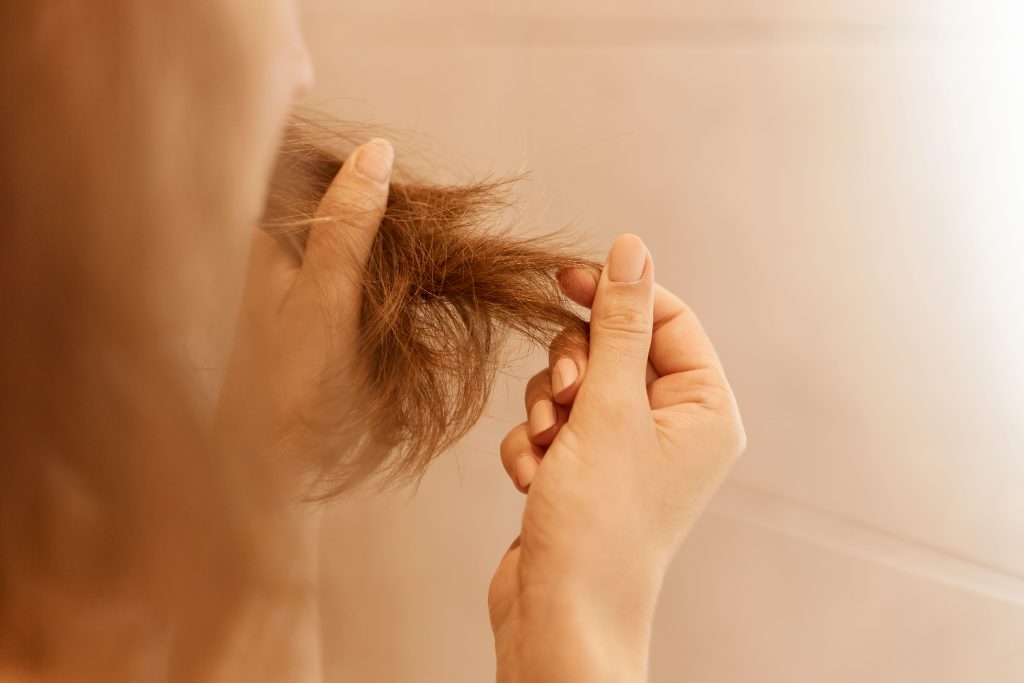
If you live or work in Dubai and you are noticing more hair in the shower drain, on your pillow, or on your brush; you are not alone. Hair loss in Dubai is a growing concern across all demographics: men and women, locals and expatriates, people who cover their hair and those who do not.
Dubai creates a very specific set of stressors for your hair and scalp. The combination of intense ultraviolet (UV) radiation, extreme dry heat, indoor air conditioning, and high levels of psychological stress creates what researchers describe as a “perfect storm” for hair follicle disruption.
According to published scientific research (Minaev, 2025), environmental pollutants, UV exposure, chronic stress, and nutritional deficiencies all share common biological pathways that damage the hair follicle and disrupt the hair growth cycle. Understanding these pathways is the first step to taking effective action.
This guide breaks down exactly what is happening to your hair in Dubai’s environment and what you can do about it, based on current medical evidence.
- Key Takeaways: (TL;DR)
- The Science of Hair Loss: A Quick Medical Overview
- How Does Hair Actually Grow?
- What Are the Main Types of Hair Loss?
- Does Covering Your Hair Cause Hair Loss?
- Preventive Strategies for People Who Cover Their Hair
- Is the Dubai Sun Damaging Your Hair Directly?
- Evidence-Based Protection Strategies for Uncovered Scalps
- Nutritional Deficiencies: The Hidden Hair Loss Trigger in the Region
- Chronic Stress and Its Hormonal Effects on Hair
- Hormonal Changes: Thyroid, Post-Pregnancy, and Menopause
- Over-Processing and Heat Styling Habits
- How to Tell Normal Shedding from a Real Problem
- When Should You See a Specialist?
- Dr. Farha Khalil
- What Non-Surgical Hair Loss Treatments Actually Work?
- When Is a Hair Transplant the Right Choice?
- Is a Hair Transplant Right for You? Who Is a Good Candidate?
- FUE vs. FUT: Explained Simply
- Natural Density FUE Hair Restoration Padra Clinic in Dubai
- What to Expect: Procedure, Recovery, and Timeline
- Natural Beard Definition with FUE Transplant Padra Clinic in Dubai
- Refined Eyebrow Shaping with NTF Transplant Padra Clinic in Dubai
- How to Choose the Right Clinic as an International Patient in Dubai
- Common Myths About Hair Loss in Dubai
- Summary
- FAQs
Key Takeaways: (TL;DR)
- Dubai’s intense UV radiation, dry climate, air pollution, and heat directly damage hair follicles and trigger hair shedding, according to published research.
- Both covered and uncovered scalps face specific, different hair loss risks and both need a tailored approach.
- Chronic stress raises cortisol levels, which shortens the active hair growth phase by up to 35%.
- Nutritional gaps (especially in iron, zinc, and vitamin D) are a leading cause of reversible hair loss.
- Clinical treatments like PRP and advanced minoxidil formulas show strong, measurable results in research.
- Natural/home remedies mentioned in research (rosemary oil, pumpkin seed oil) work, but are slower than clinical options.
- Hair transplant is a permanent solution for the right candidates but not everyone needs it.
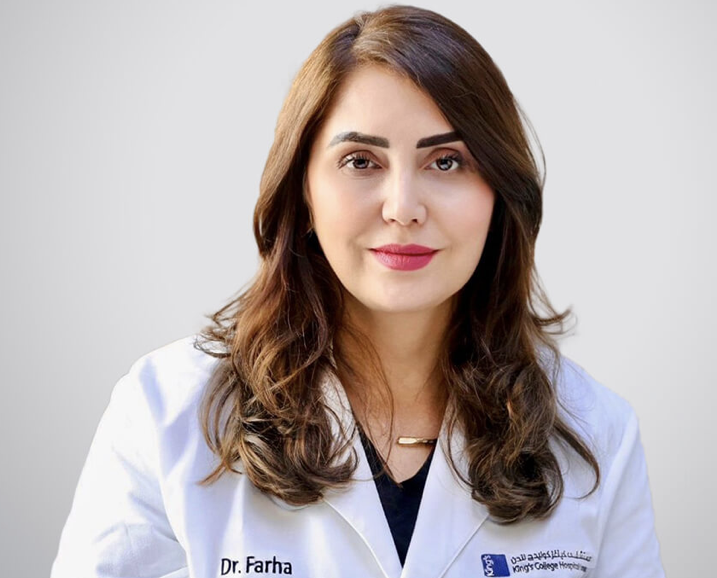
Dr. Farha Khalil
Consultant Dermatologist & Trichologist · 20+ Years Experience
The Science of Hair Loss: A Quick Medical Overview
How Does Hair Actually Grow?
Your hair is not just a strand of protein sitting on your scalp. Each hair is a living organ with its own blood supply, nerve connection, and a precise growth cycle that runs on a molecular clock.
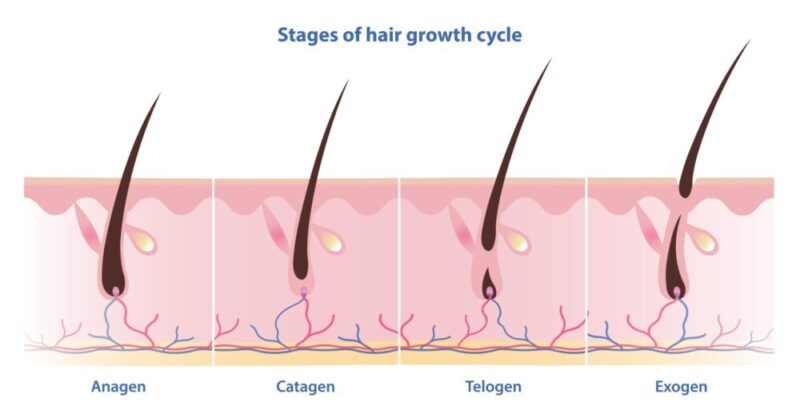
The human scalp contains approximately 100,000 hairs. Each one goes through four phases independently:
| Phase | Duration | Share of All Hairs |
| Anagen (active growth) | Men: up to 3 years / Women: up to 5 years | ~85% |
| Catagen (transition/regression) | ~2–3 weeks | ~1% |
| Telogen (resting) | Up to 3 months | ~14% |
| Exogen (shedding) | A few days | — |
The key phase is anagen, this is when the hair is actively growing. The longer your hair stays in anagen, the longer it grows. When something disrupts this phase (stress, pollution, poor nutrition), follicles shift early into telogen, and you shed more hair than normal.
This condition is called telogen effluvium and it is the most common type of temporary hair loss seen in stressful or environmentally challenging environments like Dubai.
What Are the Main Types of Hair Loss?
Androgenetic Alopecia (Pattern Hair Loss)
This is genetically influenced hair loss driven by the hormone DHT (dihydrotestosterone). Research confirms that 5-alpha-reductase enzyme activity converts testosterone to DHT, which causes follicular miniaturization over time. It follows predictable patterns (receding hairline in men, crown thinning in women).
Telogen Effluvium
A sudden or gradual increase in shedding caused by a disruption to the hair cycle. The research confirms this is triggered by environmental toxins, stress hormones, and nutritional deficiencies; all highly relevant in Dubai’s context.
Traction Alopecia
Hair loss caused by repeated mechanical tension on the follicle; from tight hairstyles, headwear friction, or constant pulling. This is a specific risk for people who cover their hair regularly.
Does Covering Your Hair Cause Hair Loss?
Covering the scalp with fabric, whether a hijab, turban, cap, or helmet, does not automatically cause hair loss. But specific conditions created by scalp coverage can stress hair follicles over time, especially in Dubai’s hot climate.
Here is what the science tells us:
Increased Scalp Temperature and Sweat Accumulation
Research shows that high temperature exposure disrupts the structural integrity of the hair shaft. According to Minaev (2025), repeated exposure to elevated temperatures damages the disulfide framework of the hair, reducing cysteine content significantly. The cortex (the inner layer of the hair that gives it strength and structure) and the cuticle (the outer protective layer that covers the hair shaft) weaken, making hair brittle and prone to breaking.
When the scalp is covered with non-breathable fabric in Dubai’s extreme heat:
- Scalp temperature rises above comfortable levels.
- Sweat and moisture accumulate around the follicle opening.
- This creates a warm, moist environment that can disrupt the follicle’s natural environment.
Reduced Airflow and Follicle Health
The hair follicle (the small structure in the skin where each hair grows from) receives nutrients through the dermal papilla (a tiny, specialized structure at the base of the follicle that supplies blood and nutrients), which relies on good blood circulation (the continuous flow of blood through the body’s vessels that delivers oxygen and nutrients to tissues).
Research confirms that microcirculation impairment (reduced blood flow in the smallest blood vessels) is one of the mechanisms through which heat and environmental stress harm follicle function (Minaev, 2025). Reduced airflow and persistent heat can contribute to this effect.
Friction and Traction from Fabric (Traction Alopecia)
Continuous friction from fabric on the scalp and hairline creates mechanical stress on the follicle. Over time, this repeated pulling and rubbing can cause traction alopecia, hair loss along the hairline, temples, and edges where contact is most consistent.
This type of hair loss is gradual and can be mistaken for other forms of thinning. It is important to identify it early before follicle scarring makes the loss permanent.
Fungal and Bacterial Risks in Hot Climates
A consistently warm, damp scalp environment creates conditions where fungal and bacterial organisms can overgrow. Scalp infections can disrupt the follicle’s local environment and contribute to inflammation, which the research identifies as a key driver of follicle damage and premature hair shedding.
Preventive Strategies for People Who Cover Their Hair
- Choose lightweight, breathable fabrics (cotton, bamboo, or moisture-wicking materials).
- Avoid tight styles and pins that pull on the hairline or roots.
- Keep the scalp clean and dry; wash regularly, especially after sweating.
- Massage the scalp to support blood circulation to the dermal papilla.
- Rotate hairstyles to avoid consistent tension on the same areas.
- Allow the scalp to breathe whenever possible (at home, at night).
Is the Dubai Sun Damaging Your Hair Directly?
Yes. Direct, prolonged UV radiation from the Dubai sun damages hair at a molecular level, both the hair fiber itself and the scalp skin covering the follicle beneath.
Direct UV Radiation Damage to Follicles and Scalp Skin
Research confirms that excessive insolation (UV exposure) causes photodegradation of keratin and lipids in the hair cuticle, increasing brittleness and making hair more prone to mechanical damage. Keratin is the structural protein that makes up more than 90% of your hair.
In Dubai, UV index levels regularly reach 10 or above, classified as “extreme.” This level of solar radiation, combined with year-round outdoor exposure, creates significant cumulative damage to hair fiber.
Photo-Oxidative Stress on Hair Fibers
UV radiation generates reactive oxygen species (ROS) unstable molecules that attack and damage cellular structures. The research confirms that ROS damage matrix keratinocytes (the cells that produce hair) and accelerate the transition of follicles from the growth phase (anagen) into the resting phase (telogen).
At a molecular level, oxidative stress is identified as a trigger of premature catagen transition, meaning your hair stops growing earlier than it should.
Environmental Pollution Exposure
Dubai’s urban environment, traffic, and construction activity contribute to air pollution. Research shows a direct link between particulate matter (PM2.5) concentrations in urban air and increased rates of telogen effluvium. For every 10 µg/m³ increase in PM2.5, research found a 5% increase in hair loss cases (Minaev, 2025, citing data from urban population studies).
Pollutant particles:
- Penetrate scalp microcirculation and generate ROS that damage follicle cells.
- Trigger pro-inflammatory cytokines (TNF-α, IL-6) in the scalp.
- Lead to degradation of connective tissue surrounding the follicle.
- Can cause fibrosis of the hair-bearing area over time.
Hard Water and Product Buildup
Dubai’s tap water is predominantly desalinated water with high mineral content. While the research paper does not address hard water directly, the underlying mechanism is consistent with its findings: mineral deposits from hard water can build up on the scalp and hair shaft, disrupting the cuticle layer and reducing moisture retention, effects that compound the photo-oxidative damage already described.
Evidence-Based Protection Strategies for Uncovered Scalps
- Use UV-protective hair products or wear a hat during peak sun hours (10am–4pm).
- Antioxidant-rich topical serums help neutralize ROS on the scalp surface.
- Regular, gentle cleansing removes pollutant particles from the scalp.
- A clarifying treatment to address mineral buildup is recommended weekly.
- Stay hydrated, the research confirms that climate-related water loss weakens the hair shaft.
Nutritional Deficiencies: The Hidden Hair Loss Trigger in the Region
One of the most common and most reversible causes of hair loss in Dubai is nutritional deficiency. Research confirms that what you eat directly controls how long your hair stays in the active growth phase.
Protein and Amino Acids
Since hair is more than 90% keratin (a sulfur-rich protein) the body needs a constant supply of protein and essential amino acids to build it. Research confirms that protein-calorie deficiency leads to telogen alopecia, thinner shafts, and reduced follicular density.
A specific combination studied in clinical research: L-cystine with pantothenic acid, taken with adequate protein intake, increased the proportion of hairs in the anagen (growth) phase by 15% after six months (Minaev, 2025).
Omega-3 and Omega-6 Fatty Acids (PUFAs)
These healthy fats are components of follicular cell membranes. Research shows that when the omega-6/omega-3 ratio drops below 4:1, the proportion of follicles in the telogen phase increases by 8% and hair thickness decreases by approximately 10%.
Clinical trial data cited in the research shows: supplementing with 1.5g of EPA + DHA per day for four months reduced the intensity of hair loss by 23% compared to placebo (p < 0.05).
Iron, Zinc, and Selenium
These three minerals are critical for hair follicle function. Research findings:
| Nutrient | Deficiency Threshold | Impact |
| Iron (Ferritin) | Below 30 µg/L | 40% higher risk of telogen alopecia |
| Zinc | Below 70 µg/dL | 15% reduction in hair density |
| Selenium | Excess above 2 mg/day | Hair loss in 72% of cases |
Iron deficiency is especially common among women in the region. Zinc deficiency is also widespread due to diets low in seafood and red meat. Note that selenium supplementation requires care, too much causes hair loss.
Vitamin D
Vitamin D deficiency is very common in the Gulf region despite high sun exposure; this is because UV protection habits (staying indoors, sunscreen) reduce natural vitamin D synthesis. Research identifies vitamin D as important for maintaining phase balance in the hair follicle. Deficiency shortens anagen duration and increases the percentage of follicles in telogen (Minaev, 2025).
Chronic Stress and Its Hormonal Effects on Hair
Dubai’s fast-paced lifestyle, demanding work culture, and expat pressures create consistent high-stress conditions. Research confirms that chronic psychological stress has a direct, measurable biological effect on hair loss.
The mechanism works through the HPA axis (hypothalamic-pituitary-adrenal axis):
- Stress triggers the release of CRH (corticotropin-releasing hormone) from the hypothalamus.
- This stimulates ACTH, which signals the adrenal glands to release cortisol.
- Persistently high cortisol levels then attack the hair follicle directly.
Research confirms that elevated cortisol:
- Breaks down proteoglycans (versican, decorin) essential for the structural integrity of the hair papilla.
- Reduces synthesis of hyaluronan and glycosaminoglycans, shrinking the follicular dermal matrix.
- Enhances apoptosis (cell death) of matrix keratinocytes through caspase-3 activation.
The result: anagen shortens by 25–35%, meaning your hair grows for a shorter time before falling out.
A second key stress mediator is Substance P, a neuropeptide released from sensory nerve endings:
- It triggers mast cell degranulation and perifollicular inflammation.
- It activates NF-κB signaling, producing inflammatory cytokines (IL-1β, TNF-α).
- In research on mice, direct Substance P application shortened the anagen phase by 20–30% (Minaev, 2025).
The clinical result of chronic stress: telogen effluvium typically appears 3–6 months after the stressful event or period begins. This delay makes it harder to identify the root cause.
Hormonal Changes: Thyroid, Post-Pregnancy, and Menopause
Hormonal shifts significantly alter the hair growth cycle. While the research paper focuses primarily on the androgen pathway (5-alpha-reductase, DHT), it also confirms that endocrine disorders frequently correlate with deterioration in hair structure and growth rate (Minaev, 2025). This includes thyroid imbalances, post-pregnancy hormone drops, and menopausal estrogen decline.
Women in Dubai experiencing any of these transitions should have hormone levels checked alongside nutritional markers.
Over-Processing and Heat Styling Habits
Research specifically identifies that repeated exposure to temperatures above 200°C or alkaline agents (chemical relaxers, bleach) disrupts the disulfide framework of the hair, reducing cysteine content to just 30% of the original level (Minaev, 2025).
Common styling tools used in Dubai (keratin treatments, flat irons, hot rollers) frequently reach these temperatures. The oxidative component of this damage is also linked to premature catagen transition, identical to the UV and pollution damage described earlier.
Restoration of heat-damaged hair is possible through low-molecular-weight amino acids and peptide reductants applied topically (Minaev, 2025).
How to Tell Normal Shedding from a Real Problem
Losing 50 to 100 hairs per day is considered normal, as most of these are in the exogen (shedding) phase. A problem starts when:
- You notice significantly more hair than usual on your pillow, brush, or in the shower.
- Your hair is visibly thinner at the crown, temples, or parting line.
- Shedding has been ongoing for more than 3 months.
- Your hair does not seem to be growing back as it used to.
When Should You See a Specialist?
Consult a dermatologist or trichologist if shedding lasts more than 3 months, if you notice patches of hair loss, or if hair thinning is spreading. Early intervention always produces better results.
Dr. Farha Khalil
Consultant Dermatologist & Trichologist · 20+ Years Experience
What Non-Surgical Hair Loss Treatments Actually Work?
Non-surgical hair loss treatments range from clinically proven topical medications to nutrition-based approaches. The research provides clear evidence on which options deliver measurable results and how they compare to natural alternatives.
Topical Minoxidil
Minoxidil is the most studied non-surgical treatment for hair loss. Research published by Fresta et al. (cited in Minaev, 2025) shows that liquid-crystalline nanocapsules delivering minoxidil to the follicle orifice prolonged the anagen phase by 1.7 times compared to traditional lotion formulations in an in vivo model.
The advanced nanocapsule delivery system optimizes drug deposition directly at the follicle, making it significantly more effective than standard over-the-counter formulas. This is important for Dubai patients who may have tried regular minoxidil with limited results.
Rosemary Oil: A Natural Alternative With Evidence
One of the most studied natural alternatives, 2% rosemary oil was compared directly to 2% minoxidil in a randomized controlled trial (Panahi et al., cited in Minaev, 2025). Results:
- By the sixth month, rosemary oil produced an equivalent increase in hair density to minoxidil.
- However, rosemary oil’s results were slower to appear.
- Its mechanism works through anti-inflammatory and antioxidant pathways, directly targeting the oxidative and inflammatory damage described earlier.
PRP (Platelet-Rich Plasma) Therapy
Research confirms that PRP mesotherapy injections improve the telogen-to-anagen ratio by 22% compared to control, confirming clinical efficacy in stimulating hair follicle transition from resting to active growth (Minaev, 2025).
PRP uses growth factors from your own blood to reactivate dormant follicles. It is particularly useful for early-stage androgenetic alopecia and post-inflammatory hair loss.
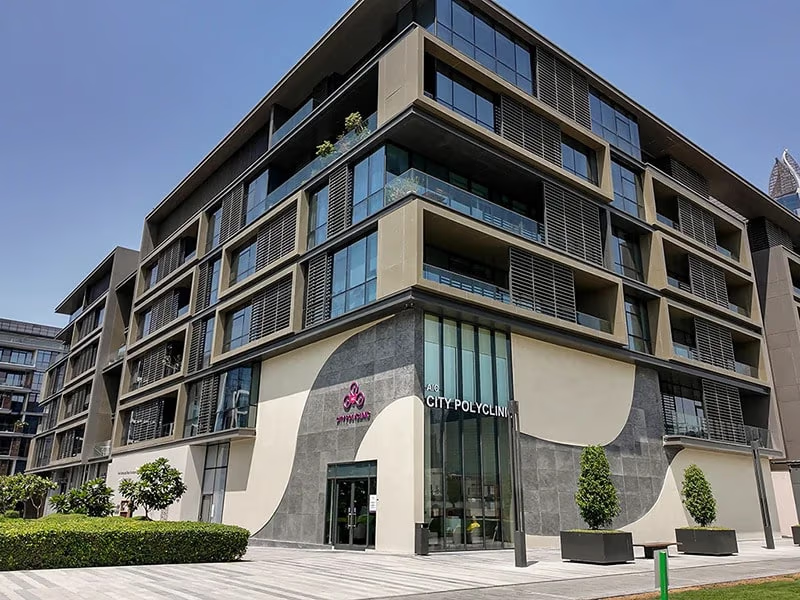
You can explore verified PRP and non-surgical hair restoration options through Nova Voya’s non-surgical hair restoration package at AIC City Polyclinic Dubai.
Nutritional Supplementation Protocols
Based on the clinical data reviewed in the research, the most evidence-supported supplements include:
- L-cystine + pantothenic acid: 15% increase in anagen hair proportion after 6 months.
- EPA + DHA (1.5g/day for 4 months): 23% reduction in hair shedding.
- Marine collagen and fish-derived peptides: Extended the anagen phase by 12% and increased hair density by 18%.
- Polyphenol extracts (rosemary, hops, capsaicin): Inhibit 5-alpha-reductase, improve scalp microcirculation, and enhance VEGF expression in the dermal papilla.
Supplementation should always be guided by blood test results (ferritin, 25(OH)D, zinc) to avoid excess, particularly important for selenium.
Low-Level Laser Therapy (LLLT)
LLLT devices (laser combs, helmets, caps) use specific wavelengths of light to stimulate follicle activity. While the specific research paper used in this article does not detail LLLT outcomes, it does establish the key mechanism that LLLT targets: improving microcirculation to the dermal papilla and reducing oxidative stress in the follicle environment, both directly relevant to Dubai-related hair loss.
Are Natural Home Remedies Good Enough, or Do You Need Clinical Treatment?
This is one of the most common questions about hair loss and the research provides a clear, balanced answer. Natural remedies work, but they are not equally powerful or fast compared to clinical options.
Natural/Home Remedies Mentioned in the Research
The peer-reviewed study (Minaev, 2025) specifically mentions the following natural treatments:
1. Rosemary Oil (2%): Proven in a randomized controlled trial to produce equivalent hair density results to 2% minoxidil but the key limitation is time. Results with rosemary oil took until the sixth month of consistent use to match what minoxidil achieved earlier. Best for: people who prefer natural options, have mild hair thinning, and are patient with results.
2. Pumpkin Seed Oil (Rich in Δ7-phytosterols): Research by Kang et al. (cited in Minaev, 2025) showed that pumpkin seed oil normalizes the DHT/testosterone ratio and restores the balance between cell proliferation and apoptosis in target follicle cells. Its mechanism is inhibiting 5-alpha-reductase, similar to pharmaceutical treatments. Best for: androgenetic alopecia with early follicular miniaturization.
3. Morus Alba (White Mulberry Root Extract): Research by Hyun et al. (cited in Minaev, 2025) showed Morus alba activates dermal papilla cells via the Wnt/β-catenin signaling pathway and increases VEGF expression, inducing follicular transition to anagen within 48 hours in cell culture. This is a promising phytogenic ingredient, though long-term clinical trial data in humans is still limited.
4. Polyphenols (Rosemary Extract, Hops Extract, Capsaicin): These plant compounds inhibit 5-alpha-reductase, improve scalp microcirculation, and enhance VEGF (vascular endothelial growth factor) expression in the dermal papilla, supporting follicle blood supply and growth factor activity.
Direct Comparison: Home Remedies vs. Clinical Treatments
| Treatment | Evidence Level | Speed of Results | Effect Strength | Best For |
| Rosemary Oil 2% | Randomized trial | Slow (6+ months) | Equivalent to minoxidil 2% at 6 months | Mild thinning, preference for natural |
| Pumpkin Seed Oil | Clinical study | Moderate | DHT normalization | Androgenetic pattern loss |
| Morus alba Extract | In vitro (cell study) | Fast in lab (48h) | Promising, limited human trial data | Emerging ingredient |
| Polyphenol Blends | Clinical/in vitro | Moderate | Moderate (microcirculation + 5AR inhibition) | Preventive + adjunct therapy |
| Minoxidil (Nanocapsule) | In vivo model | Faster than standard | 1.7x anagen prolongation vs. standard lotion | Active hair loss, faster results needed |
| PRP Mesotherapy | Clinical trials | Moderate (weeks–months) | 22% improvement in telogen-to-anagen ratio | Follicle reactivation, androgenetic loss |
| Marine Collagen | Clinical trial | Moderate | +12% anagen, +18% density | Density and fiber quality improvement |
The research-based conclusion
Natural remedies offer genuine benefits and are supported by clinical evidence. However, clinical treatments (advanced minoxidil, PRP, mesotherapy) produce stronger, faster, and more measurable results.
The ideal approach for most patients is a combination, using natural nutraceuticals and topical plant-based products as a foundation while adding clinical treatments for more significant or faster results.
When Is a Hair Transplant the Right Choice?
A hair transplant is a permanent surgical solution for hair loss but it is not the right choice for everyone. It works best for people with stable, established pattern hair loss where follicles in the donor area (typically the back and sides of the scalp) remain healthy and unaffected.
Is a Hair Transplant Right for You? Who Is a Good Candidate?
Specialists assess candidacy based on:
Stabilized hair loss pattern
Loss should not be actively progressing rapidly.
Adequate donor area
Enough healthy follicles at the back and sides of the scalp to transplant.
Age and hormonal stability
Younger patients with actively progressing loss may need to wait.
Realistic expectations
A transplant redistributes existing hair, it does not create new follicles.
Overall health
Nutritional levels (iron, zinc, vitamin D) should be optimized before surgery for best results.
The research confirms that follicle health depends directly on nutritional status and oxidative stress levels, meaning addressing deficiencies before transplant surgery is important for optimal graft survival.
FUE vs. FUT: Explained Simply
FUE (Follicular Unit Extraction) involves harvesting individual hair follicles one by one from the donor area using a small punch tool. No linear scar. Faster recovery. Suitable for short hairstyles.
FUT (Follicular Unit Transplantation) involves removing a strip of scalp skin from the donor area, dissecting it into individual grafts, and transplanting them. Leaves a linear scar. Higher graft yield per session.
Most modern clinics in Dubai and globally now favor FUE for its minimal scarring and recovery advantages.
Read more about FUE and FUT: Natural-Looking Hair Transplant in Dubai
You can explore certified FUE hair restoration packages in Dubai, including the Natural Density FUE Hair Restoration Package at Padra Clinic Dubai, through Nova Voya’s vetted directory.
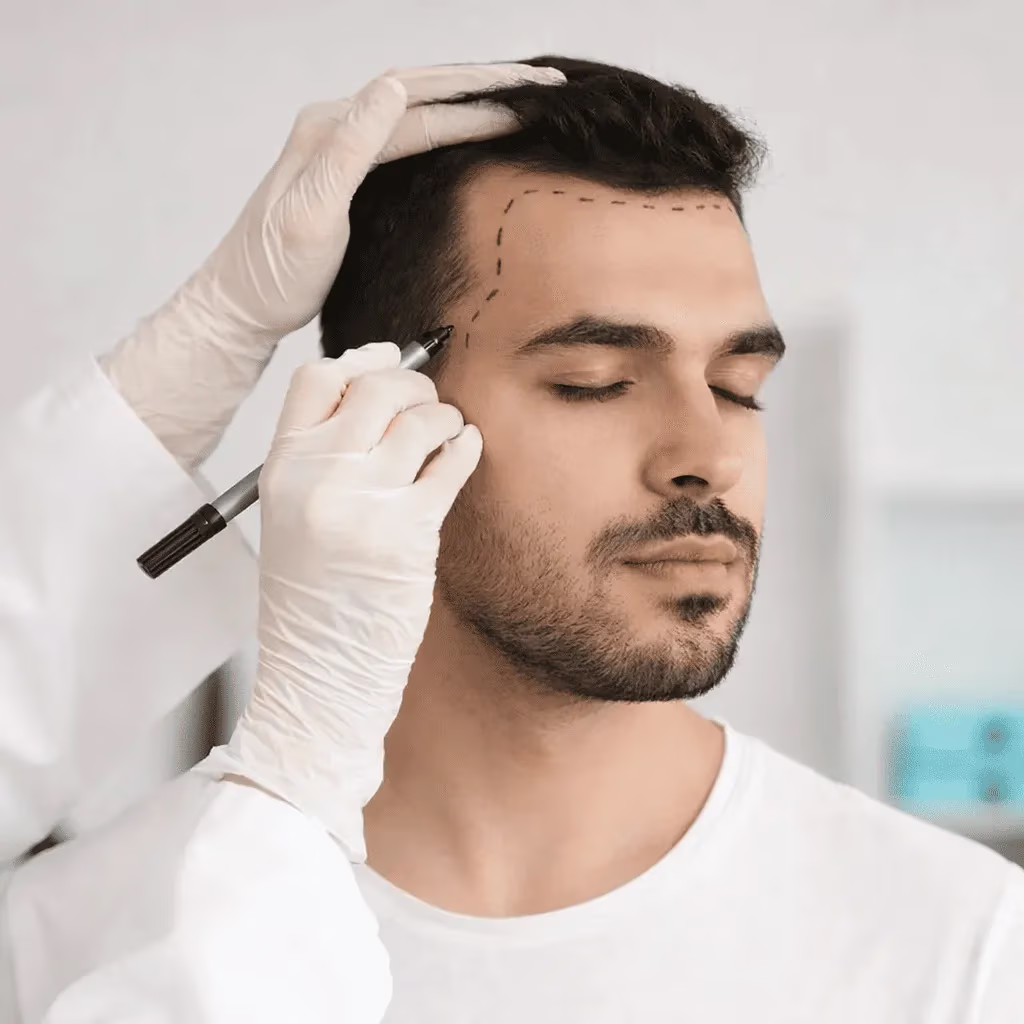
Natural Density FUE Hair Restoration Padra Clinic in Dubai
What to Expect: Procedure, Recovery, and Timeline
- Procedure: Performed under local anesthesia. Duration: 4–8 hours, depending on graft number.
- Immediate post-op: Mild redness, swelling, and scabbing in donor and recipient areas for 7–14 days.
- Shedding at 2–6 weeks: The transplanted hairs fall out first; this is normal and expected.
- Initial regrowth: Begins at 3–4 months.
- Visible improvement: At 6–9 months.
- Full results: At 12–18 months.
For patients interested in beard or eyebrow restoration, Nova Voya also offers specialized packages, including the Natural Beard Definition with FUE Transplant at Padra Clinic Dubai and Refined Eyebrow Shaping with NTF Transplant at Padra Clinic Dubai.
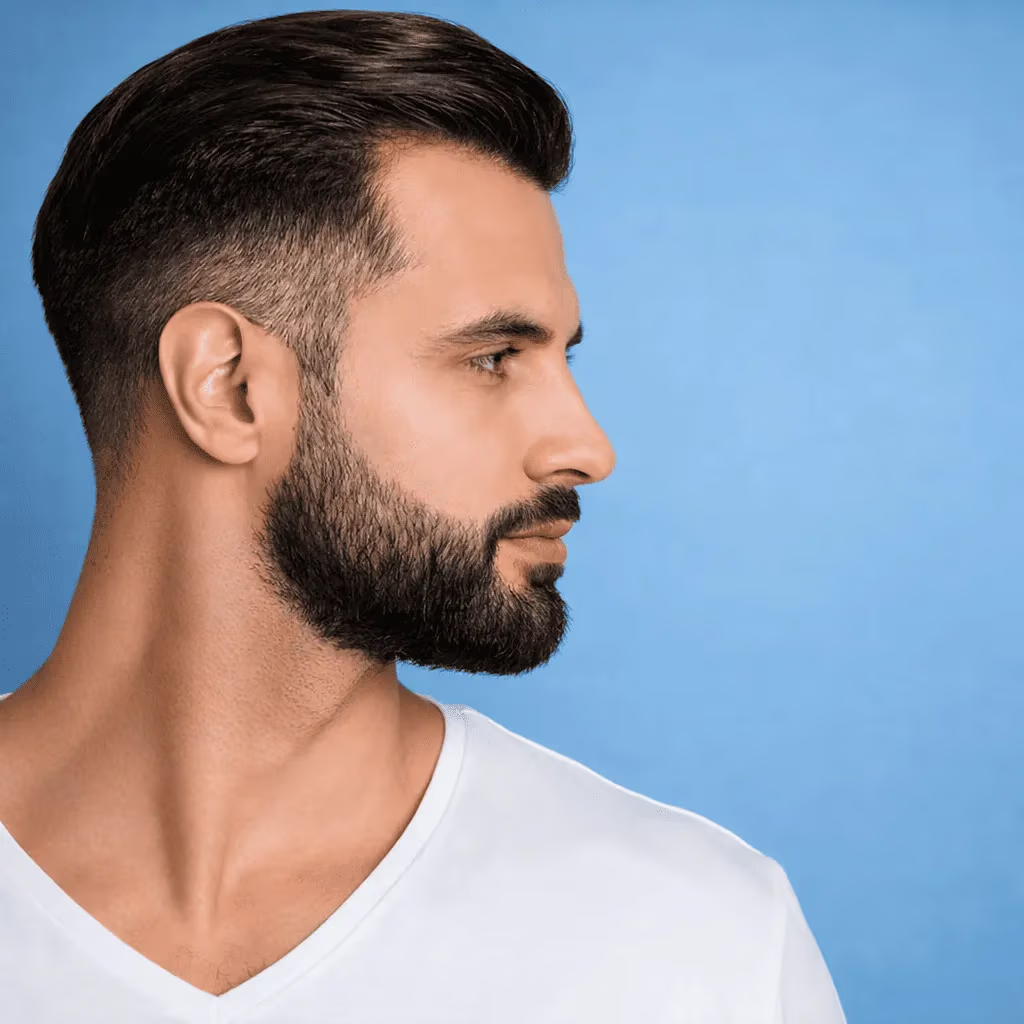
Natural Beard Definition with FUE Transplant Padra Clinic in Dubai
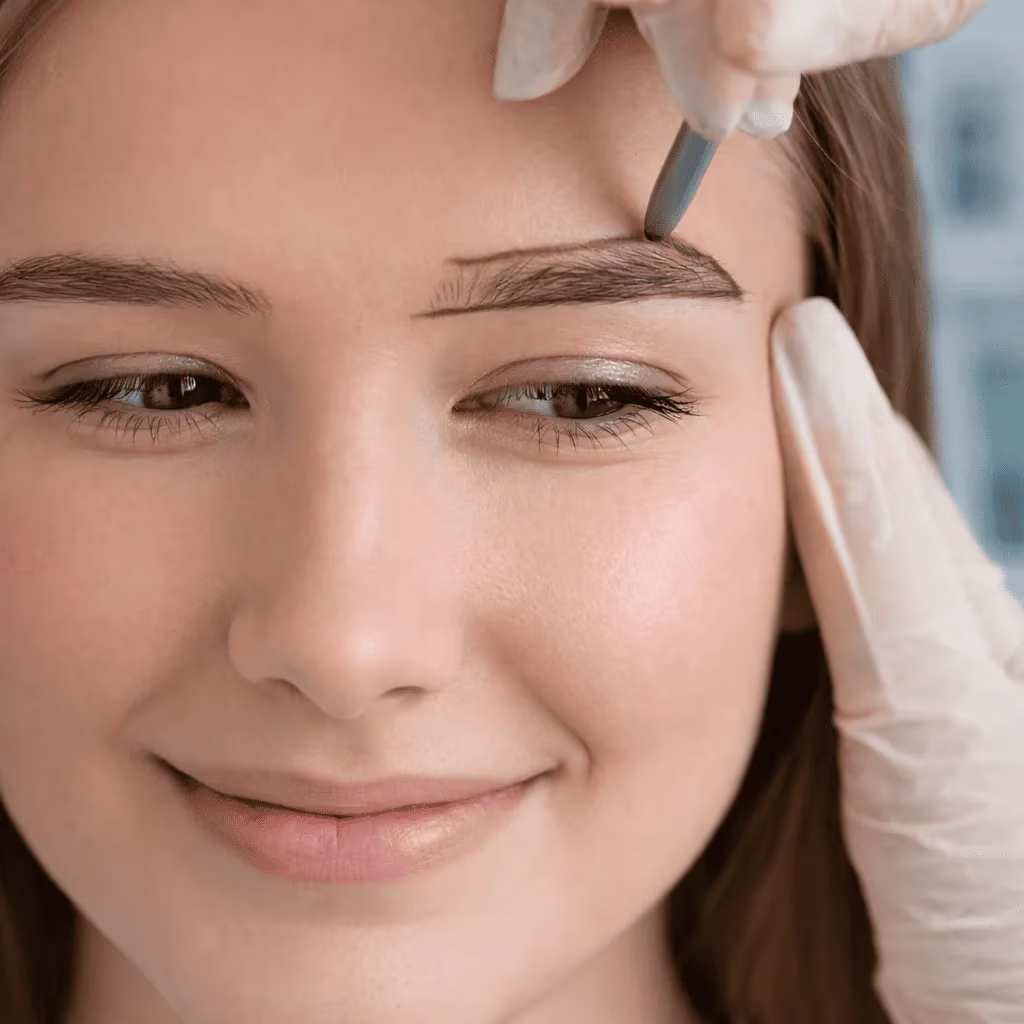
Refined Eyebrow Shaping with NTF Transplant Padra Clinic in Dubai
How to Choose the Right Clinic as an International Patient in Dubai
Choosing the right hair specialist or clinic in Dubai is one of the most important decisions in your hair restoration journey. The quality of results varies significantly between providers.
Key Qualifications to Look For
- Board-certified dermatologist or trichologist with specific hair loss training.
- Membership in international professional bodies (ISHRS, International Society of Hair Restoration Surgery for transplant surgeons).
- Clinic accreditation from Dubai Health Authority (DHA).
- Verifiable before-and-after outcomes with detailed patient case records.
- Transparent pricing, no hidden fees or aggressive upselling.
Questions to Ask Before Committing
- Are you DHA-licensed for this specific procedure?
- How many procedures of this type do you perform per year?
- Can I see verified patient outcomes for cases similar to mine?
- What pre- and post-operative nutritional support is included?
- What happens if results are unsatisfactory?
What a Proper Consultation Should Include
A proper hair loss consultation includes:
- Detailed trichoscopy (scalp and follicle microscopic analysis).
- Blood tests for ferritin, zinc, 25(OH)D, thyroid hormones, and sex hormones.
- Assessment of hair loss pattern and stage.
- Discussion of your lifestyle, stress levels, and diet.
- A transparent explanation of treatment options, from non-surgical to surgical.
Why Medical Tourism for Hair Procedures Is Growing in Dubai
Dubai has become a significant destination for hair restoration medical tourism due to:
- High concentration of internationally trained specialists.
- Competitive pricing compared to Western Europe and North America.
- State-of-the-art facilities meeting international standards.
- Convenient access for patients from across the Middle East, South Asia, and beyond.
For a deeper overview of what to expect from hair restoration and transplant services in Dubai, visit Nova Voya’s Hair Restoration and Transplants in Dubai guide.
Common Myths About Hair Loss in Dubai
| Common Myth | The Reality |
| Covering your hair protects it from all damage | Coverage protects from UV but can cause friction alopecia and thermal stress if fabric is non-breathable |
| Vitamin supplements alone can fix hair loss | Supplements correct deficiency-related loss effectively, but cannot reverse follicle damage from genetics or advanced alopecia |
| Hair loss only affects older people | Research confirms that stress, nutrition, and environmental factors trigger hair loss at any age |
| Natural remedies are always safer than clinical treatments | Natural options have evidence but some (excess selenium, for example) cause hair loss at high doses — clinical guidance is essential |
| If your hair grows back, the problem is solved | Recurring triggers (stress, nutrition gaps, UV) will cause loss again without addressing root causes |
Summary
Your Hair Deserves a Plan That Matches Dubai’s Unique Challenges. Hair loss in Dubai is not a single problem, it is the result of several converging challenges: UV radiation, heat, air pollution, chronic stress, and nutritional gaps that are all highly relevant to life in this city.
The science is clear: each of these factors has a documented biological mechanism that disrupts the hair growth cycle and damages follicle function.
The good news is that most of these causes are addressable with the right combination of clinical treatment, nutritional correction, and lifestyle adjustment.
Whether you are just beginning to notice increased shedding or have been dealing with significant thinning for some time, the most important step is getting a comprehensive evaluation that addresses all contributing factors, not just one of them.
Nova Voya connects patients with vetted, DHA-licensed hair specialists in Dubai offering everything from non-surgical PRP and mesotherapy to full FUE transplant procedures. Every clinic in the Nova Voya directory is reviewed for credentials, outcomes, and patient experience.
Your hair is worth more than guesswork. Stop waiting and start restoring your confidence, explore Nova Voya’s exclusive verified hair restoration packages in Dubai today.
Dubai’s Top-Rated Hair Restoration Packages: Vetted and Ready 🏥
- ✔ Verified clinics with international-standard accreditation
- ✔ Packages for surgical (FUE) and non-surgical (PRP, mesotherapy) options
- ✔ Transparent pricing with free consultation coordination
*Verified Clinics Only
Have you noticed unusual hair shedding since living or working in Dubai? Which factor do you think is most relevant to your situation; stress, nutrition, UV exposure, or something else?
FAQs
Dubai’s combination of intense UV radiation, dry climate, air pollution, chronic lifestyle stress, and common nutritional deficiencies creates multiple simultaneous triggers for hair follicle disruption, all of which are scientifically confirmed to cause telogen effluvium and follicle damage.
Fabric coverage alone does not cause permanent loss, but persistent traction, friction on the hairline, and scalp heat accumulation can lead to traction alopecia, which becomes harder to reverse if not addressed early. Choosing breathable materials and avoiding tight styles helps prevent this.
Research shows that nutritional correction (amino acids, PUFAs, iron, zinc) typically produces measurable improvement in the anagen hair proportion within 4–6 months of consistent supplementation at correct doses.
A randomized controlled trial cited in peer-reviewed research confirms that 2% rosemary oil achieves equivalent hair density results to 2% minoxidil at the 6-month mark but minoxidil produces results faster in the earlier months.
PRP is a non-surgical treatment that uses growth factors from your own blood to reactivate existing dormant follicles. A hair transplant is a surgical procedure that permanently relocates healthy follicles from the donor area to thinning areas. PRP does not replace a transplant but can be used before, after, or independently.
Any comprehensive hair loss evaluation should include blood testing for ferritin (iron stores), zinc, vitamin D, and hormones. Research confirms that deficiency in these markers is a major driver of reversible hair loss and treating hair loss without checking these levels means potentially missing the root cause.
Stress-related telogen effluvium is typically reversible if the stress is addressed and nutritional support is provided. However, if chronic stress continues for years without treatment, the cumulative damage to the follicle matrix and extracellular matrix may lead to more significant and harder-to-reverse thinning.
Scientific Source: This article is based on peer-reviewed research by Denis Minaev, “Biology of Hair Growth and Influence of External Factors (Ecology, Stress, Nutrition)”, published in the Universal Library of Medical and Health Sciences, 2025, Vol. 3(2), pp. 66–71. DOI: https://doi.org/10.70315/uloap.ulmhs.2025.0302011