
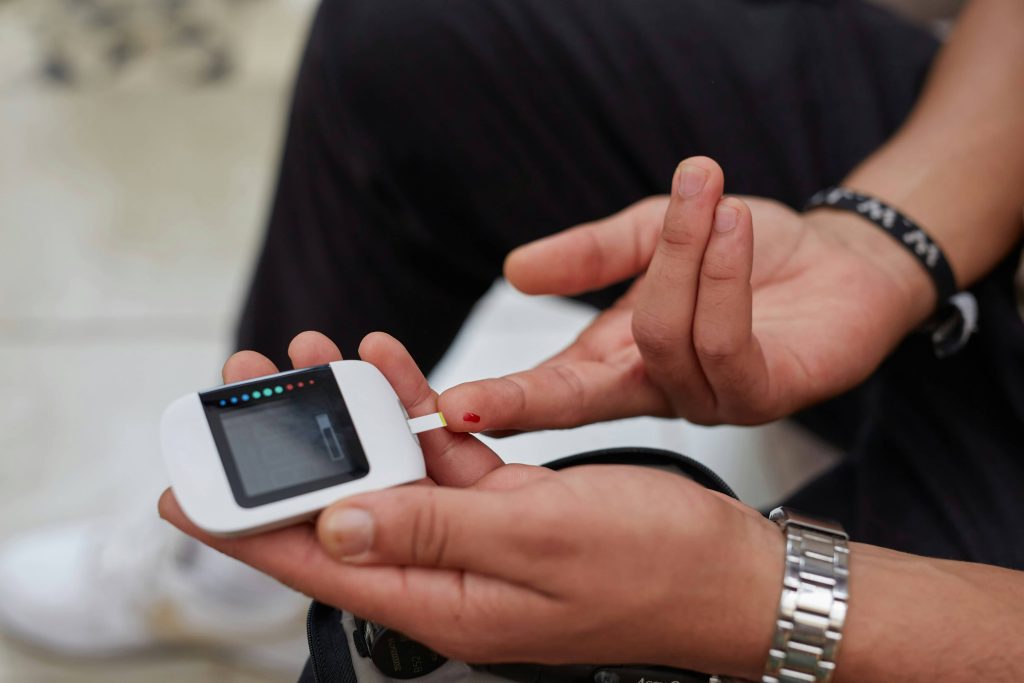
If you were diagnosed with Type 2 diabetes in the last decade, you were probably told one thing: this is a lifelong condition you manage, not cure.
That belief is now being overturned by science.
A landmark consensus statement from four major global diabetes bodies (the Endocrine Society, the European Association for the Study of Diabetes, Diabetes UK, and the American Diabetes Association) has formally defined Type 2 diabetes mellitus (T2DM) remission as a clinical target. Not a theory. Not a marketing claim. A measurable, medically recognized outcome.
Remission means achieving and sustaining an HbA1c (your 3-month blood sugar average) below 6.5% for at least 3 months, without any glucose-lowering medication.
HbA1c is your body’s “blood sugar report card” for the past 3 months. Remission means getting a passing grade, and then keeping it, without taking any glucose-lowering medication.
For patients who are newly diagnosed or in the early stages, remission is an increasingly realistic and achievable outcome. The evidence is growing, the tools are improving, and Dubai’s endocrinology specialists are at the forefront of applying them.
This guide breaks down every current remission protocol, tells you who qualifies for each, introduces the leading Dubai specialists, and helps you understand what your next step should be.
- Key Takeaways (TL;DR)
- What Do the Latest Evidence and Medical Consensus Say About Diabetes Remission?
- Which Remission Protocol Is Right for You? A Comparison of All 4 Approaches
- Which specialists in Dubai are most qualified to support your diabetes remission journey?
- Living Outside Dubai? Here Is How Nova Voya Bridges the Gap
- Myths vs. Reality About Type 2 Diabetes Remission
- Summary
- FAQs
Key Takeaways (TL;DR)
- Type 2 diabetes remission is officially defined as maintaining HbA1c below 6.5% for at least 3 months without glucose-lowering medications.
- Three proven pathways exist: intensive lifestyle intervention, pharmacological therapy (including new dual-agonist drugs), and metabolic surgery.
- Metabolic surgery achieves the highest rates, with over 60% of patients reaching remission within 2 years.
- Lifestyle programs alone can achieve 46% to 61% remission at 1 year when properly structured.
- The earlier you act, the better your odds. Younger age, shorter disease duration, and lower baseline HbA1c (Your starting blood sugar score before you begin a new treatment, diet, or protocol) are the strongest positive predictors of remission.
- Dubai has internationally trained endocrinologists with direct clinical experience in all three remission pathways.
- Nova Voya connects you to the right specialist based on your medical profile, free of charge.
Dr. Sarah Alam
Consultant Endocrinologist & Diabetes Specialist
What Do the Latest Evidence and Medical Consensus Say About Diabetes Remission?
Type 2 diabetes remission is no longer a dream. It is a measurable, science-backed clinical goal supported by multiple international diabetes bodies and proven in large randomized controlled trials.
For a long time, the standard model treated T2DM (A chronic condition where the body either resists the effects of insulin or doesn’t produce enough of it to maintain a normal sugar level.) as a permanent, always-progressing disease.
The new scientific consensus challenges that model entirely.
Why Is Remission Now Considered Achievable?
Three major advances have changed the picture:
- Metabolic surgery (also called bariatric surgery) produces dramatic, lasting hormonal changes that go far beyond simple calorie restriction.
- Intensive lifestyle interventions (A highly structured, medically supervised program that drastically cuts calories and increases physical activity to force rapid weight loss) using structured very low-calorie diets have shown 46–61% remission rates within 1 year in clinical trials.
- New pharmacological agents, especially dual GLP-1/GIP receptor agonists like tirzepatide, produce significant weight loss and glucose normalization previously only seen with surgery.
Read More: Weight Loss Treatment in Dubai: GLP-1, Bariatric Surgery and Balloon Options Compared (2026 Guide)
The “Metabolic Memory” Warning: Why Timing Matters
Here is something critical that most patients are not told:
Early uncontrolled high blood sugar leaves a “memory” at the cellular level. Even after blood sugar normalizes, that memory can still drive long-term complications like kidney disease and cardiovascular damage.
This is called the “legacy effect” or “metabolic memory.” Research shows that patients who fail to achieve an HbA1c below 6.5% within the first year of diagnosis carry a significantly higher risk of complications later, even if their blood sugar improves afterward.
So the earlier you pursue remission (A state where your medical numbers,like blood sugar, return to normal, and your disease is considered inactive without the need for ongoing medication), the stronger your long-term protection.
Which Remission Protocol Is Right for You? A Comparison of All 4 Approaches
There is no single “best” remission protocol. The right path depends on how long you have had diabetes, your current HbA1c, your weight, and your personal preferences. Here is how the four major approaches compare.
Protocol 1: Intensive Lifestyle Intervention (ILI)
This approach uses a very low-calorie diet (typically 800–820 kcal/day) for 12 weeks, followed by structured food reintroduction and a long-term physical activity plan targeting at least 150 minutes per week.
It works by rapidly reducing fat stored in the liver and pancreas. Those fat deposits (called “ectopic fat”) block insulin production and sensitivity. When they shrink, the pancreas can start working again.
What Does the Evidence Show?
The studies showed one clear pattern: the more weight people lost, especially early after diagnosis, the higher their chances of putting type 2 diabetes into remission.
People who were younger, had been diagnosed more recently, and followed the program closely had the best results. In some studies, nearly half of participants achieved remission after one year, and in very intensive programs for newly diagnosed patients, remission rates were even higher.
The strongest results were seen in people who lost a large amount of body weight. In fact, patients who lost more than 15% of their body weight had an extremely high chance of remission.
However, the research also showed that remission is not always permanent. Over time, many people regained weight and their diabetes returned. This means long-term success depends heavily on maintaining healthy habits and keeping the weight off.
Best For:
- Newly diagnosed patients (less than 3–6 years)
- BMI in the range of 27–38 kg/m²
- Patients who want to avoid medication or surgery
- Younger patients who are highly motivated
Limitations:
- Requires intensive support and follow-through
- Remission rates decline significantly over 5 years
- Long-term results depend heavily on keeping the weight off
Protocol 2: Pharmacological Intervention (Including GLP-1 and Tirzepatide)
This approach uses modern diabetes medications that do more than just lower blood sugar. They also promote significant weight loss and improve how the body uses insulin.
The current most promising agent is tirzepatide, a dual agonist that activates two hormonal pathways (GLP-1 and GIP) simultaneously. Think of it like pressing two reset buttons at once on your metabolic system, instead of just one.
Read More: Semaglutide vs Tirzepatide: What the Clinical Data Actually Shows
What Does the Evidence Show?
Research shows that these medications can dramatically improve blood sugar levels while also helping patients lose a significant amount of weight.
In major clinical trials, tirzepatide consistently performed better than older medications like semaglutide. Patients taking tirzepatide achieved larger reductions in HbA1c (a long-term blood sugar marker) and lost more weight within less than a year.
Studies also found that people using tirzepatide were far more likely to reach normal blood sugar levels compared to those receiving standard treatment.
For newly diagnosed patients, early intensive insulin treatment also showed surprisingly strong results, with nearly half of patients remaining in remission after one year.
However, there is an important limitation: for many people, the benefits depend on continuing the medication. Research showed that after stopping drugs like semaglutide, many patients regained a large portion of the lost weight within a year, and blood sugar levels often increased again.
Best For:
- Patients in early-to-mid stage diabetes
- Those who prefer a non-surgical approach
- Patients with cardiovascular risk factors (some GLP-1 agents also reduce heart disease risk)
- Anyone not yet eligible or ready for metabolic surgery
Protocol 3: Metabolic Surgery (Bariatric Surgery)
Metabolic surgery (formerly called bariatric surgery) physically alters the digestive system. The two most commonly performed procedures are:
- Roux-en-Y Gastric Bypass (RYGB): A small stomach pouch is created and connected directly to the small intestine, bypassing most of the stomach.
- Sleeve Gastrectomy (SG): About 80% of the stomach is removed, leaving a tube-shaped “sleeve.”
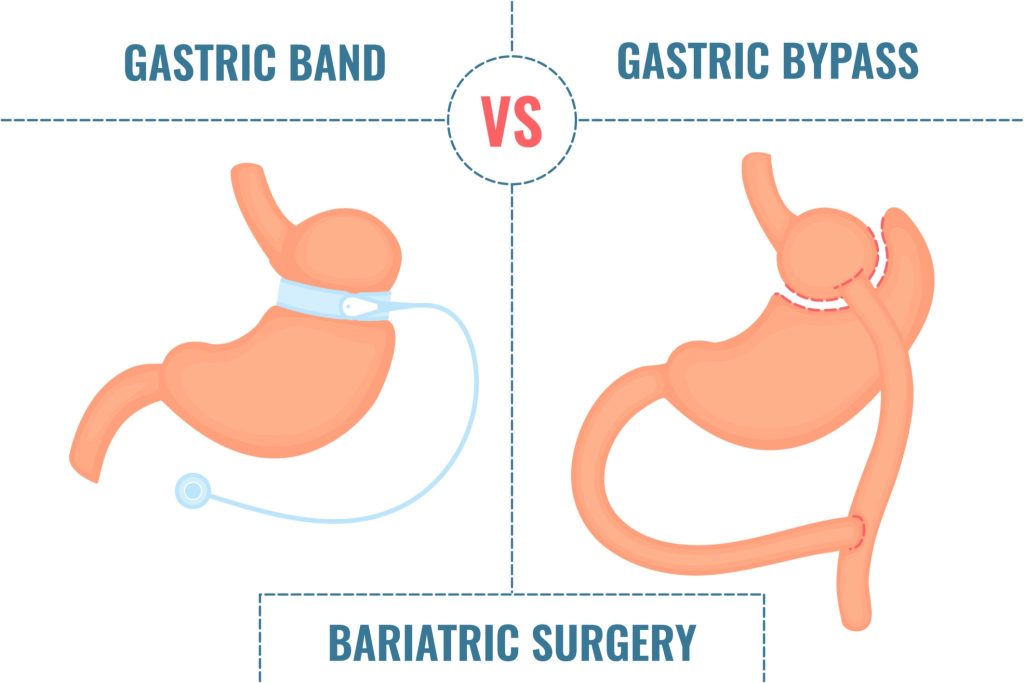
These procedures are not just about eating less. They trigger profound hormonal changes, especially a major rise in GLP-1 levels and shifts in bile acid metabolism (The way the body processes digestive juices made by the liver), that directly improve insulin sensitivity (How sensitive your body’s cells are to insulin) and beta-cell function (the cells in your pancreas that produce insulin).
What Does the Evidence Show?
Research shows that metabolic surgery is currently one of the most effective ways to achieve long-term type 2 diabetes remission, especially for people with obesity and more advanced disease.
In many studies, the majority of patients experienced major improvements in blood sugar control within the first two years after surgery. Some procedures achieved remission rates of over 70%, meaning many patients were able to reach normal or near-normal blood sugar levels with little or no diabetes medication.
The benefits were not limited to diabetes alone. Patients also often saw improvements in conditions linked to obesity, including high blood pressure, sleep apnoea, fatty liver disease, and even depression.
One important finding is that surgery tends to produce more durable results than lifestyle changes alone. Even after more than 10 years, remission rates remained significantly higher in surgical patients compared to non-surgical treatment groups.
However, remission is not guaranteed to last forever. Over time, some patients experience weight regain or a return of diabetes symptoms. Long-term success still depends heavily on maintaining healthy habits, attending follow-up appointments, and adapting to permanent dietary changes after surgery.
Best For:
- BMI above 35 kg/m² with T2DM
- Patients with longer disease duration who have not responded to lifestyle or pharmacological approaches
- Those seeking the most durable long-term remission
- Patients willing to commit to lifelong dietary and follow-up requirements
Limitations:
- Requires surgical eligibility
- Involves recovery time
- Long-term remission rates also decline over 10+ years
- Requires major behavioral commitment post-surgery
Protocol 4: Combination Approach (Emerging Standard of Care)
Increasingly, the evidence favors combining approaches rather than using any single protocol alone. Examples include:
- Intensive lifestyle + metformin + GLP-1 agonist
- Pre-operative GLP-1 use before metabolic surgery (shown to improve surgical outcomes)
- Metabolic surgery + post-operative pharmacological maintenance
The goal is to attack multiple drivers of insulin resistance at the same time: fat accumulation, inflammation, gut microbiome imbalance, and hormonal dysfunction.
Who Is This For?
- Patients with moderate-to-advanced diabetes
- Those who have had partial response to one approach
- Patients with multiple metabolic risk factors (hypertension, fatty liver, high cholesterol)
Side-by-Side Comparison: Which Protocol Fits Which Patient?
| Feature | Lifestyle ILI | Pharmacological | Metabolic Surgery | Combination |
| Remission rate at 1 year | 44–61% | 22–38% | 58–85% | Varies |
| Best for duration | Under 6 years | Under 10 years | Any (best under 8) | Varies |
| Requires medication | No | Yes (ongoing) | No (post-op) | Yes |
| Invasive | No | No | Yes | Partial |
| Long-term durability | Moderate | Depends on drug | Highest | High |
| BMI suitability | 27–38 | Any | 35+ | Any |
| Reversal of ectopic fat | Yes | Partial | Yes | Yes |
Which specialists in Dubai are most qualified to support your diabetes remission journey?
Dubai is home to several internationally trained endocrinologists and diabetologists who specialize in the full spectrum of diabetes remission protocols, from structured dietary programs to metabolic surgery coordination and advanced pharmacological management.
Here is why each of the following specialists is relevant to remission care specifically.
King’s College Hospital London, Dubai
Dr. Emran Ghaffar Khan | Clinical Director, Diabetes and Endocrinology
- Experience: Over 20 years in diabetes and endocrinology
Dr. Khan’s career spans multiple major UK teaching hospitals. His areas of direct relevance to remission include Type 1 and Type 2 diabetes management, obesity management, and insulin pump therapy.
As Clinical Director at King’s Institute of Diabetes, he oversees a multidisciplinary team, which is critical for remission programs that require coordinated dietary, pharmacological, and psychological support.
Obesity management and early diabetes intervention are cornerstones of his practice, aligning directly with the lifestyle and pharmacological remission pathways.
Dr. Emran Ghaffar Khan
Clinical Director, Diabetes & Endocrinology · 20+ Years Experience
Dr. Jawad Bashir | Consultant Endocrinologist and Diabetologist
- Experience: Over 16 years; previously at Basildon University Hospital, UK
This is particularly significant. Dr. Bashir did not just learn about GLP-1 receptor agonists in clinical practice. He was directly involved in the research that brought one of the most important remission-supporting drugs to market.
His special interests include:
- Weight management and reversal of cardio-metabolic risks (The combined chances of developing dangerous heart conditions, strokes, or diabetes due to a mix of high blood pressure, high blood sugar, and excess belly fat)
- Continuous glucose monitoring (CGM) for gestational diabetes detection (A temporary type of high blood sugar that develops only during pregnancy and usually disappears after childbirth)
- Newest weight reduction therapies and insulin pump therapy
- Bone health, vitamin D, and pituitary disorders
He also organized the first-ever King’s Clinical Update in Diabetes, Endocrine, and Obesity in Dubai in July 2022 and received first prize from the Royal College of Physicians (UK) for a quality improvement project in diabetes services.
Direct research involvement with semaglutide and expertise in weight management pharmacology makes him one of the most aligned specialists in Dubai for pharmacological remission pathways.

Dr. Jawad Bashir
Consultant Endocrinologist & Diabetologist · 16+ Years Experience
Dr. Momin Kamal Shah | Consultant Endocrinologist, Diabetologist, and Internal Medicine
- Experience: Over 18 years; 5 years as UK Consultant; joined King’s Dubai in 2022
Dr. Shah’s training in the North West of the UK, including at Liverpool, Chester, Warrington, and East Lancashire NHS trusts, gives him broad experience in complex metabolic presentations.
His areas of direct remission relevance include:
- Medical weight management and obesity
- Insulin resistance and metabolic syndrome
- Adrenal and pituitary disorders (Malfunctions in the master glands of the body, in the brain and above the kidneys), which can complicate diabetes management
- Diabetic complications including nephropathy (Diabetic kidney disease)
- Gestational and Type 1 and Type 2 diabetes management
His training across multiple major NHS centers and his current practice at King’s Dubai give him wide exposure to complex cases that require personalized protocol selection.
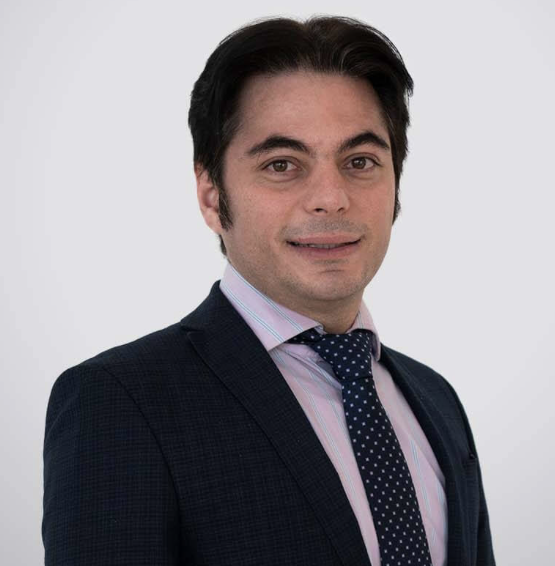
Dr. Momin Kamal Shah
Consultant Endocrinologist & Diabetologist · 18+ Years Experience
International Modern Hospital, Dubai
Dr. Sarwar | Consultant, Internal Medicine, Endocrinology, and Diabetes
- Experience: Over 15 years in Pakistan and UK
Dr. Sarwar completed an International Training Fellowship at Hereford County Hospital within the Wye Valley NHS Trust, a UK center recognized for diabetes and endocrinology training. Her fellowship was certified by the Royal College of Physicians of Edinburgh.
Dr. Sarwar specializations include:
- Continuous glucose monitoring (CGM) device implementation
- Insulin pump therapy for complex Type 1 and Type 2 cases
- Reproductive endocrinology: PCOS (A hormonal disorder common among women of reproductive age), infertility, hormonal disorders
- Multidisciplinary care integrating dietitians, surgeons, and diabetes specialists
Her research background in peri-operative glucose optimization (Safely managing and fine-tuning a patient’s blood sugar levels right before, during, and immediately after a surgical procedure to prevent infections and ensure quick healing) is directly applicable to patients considering metabolic surgery as part of their remission journey.
Her combined research experience in glucose optimization, CGM integration, and multidisciplinary collaboration makes her particularly valuable for patients pursuing complex, integrated remission protocols.

Dr. Sarwar
Consultant, Internal Medicine, Endocrinology & Diabetes · 15+ Years Experience
Canadian Specialist Hospital, Dubai
Dr. Sarah Alam | Consultant Endocrinologist and Diabetes Specialist
Dr. Alam’s practice covers a comprehensive range of endocrine and metabolic disorders directly connected to the conditions that must be managed for T2DM remission:
- Diabetes Mellitus: Type 1, Type 2, and Gestational
- Obesity and weight management
- Hypertension, including secondary and resistant forms
- Adrenal disorders (Cushing’s Syndrome, CAH) which can cause or worsen diabetes
- Hyperlipidemia (Having abnormally high levels of fats) and cholesterol management
- Hyperparathyroidism (A condition where the parathyroid glands in the neck make too much hormone) and osteoporosis (A disease that causes bones to become weak), often comorbid with diabetes
Sarah Alam’s range covers several metabolic comorbidities (Having two or more chronic medical conditions at the same time) that must be controlled for a successful remission protocol. Patients with complex medical profiles benefit from her broad endocrine expertise.
Dr. Sarah Alam
Consultant Endocrinologist & Diabetes Specialist
Aster Hospitals, Mankhool, Dubai
Dr. Deepika Patel | Consultant Endocrinologist
Dr. Patel’s specialty areas include:
- Advanced insulin optimization for Type 1 and Type 2 diabetes
- Polycystic Ovary Syndrome (PCOS) and obesity
- Reproductive endocrinology before, during, and after pregnancy
- Thyroid disorders and their interaction with metabolic control
- Osteoporosis and bone health
She is known for her holistic approach, addressing not just blood sugar, but the lifestyle, emotional, and hormonal factors that affect long-term metabolic health.
Her training at AIIMS and JIPMER, combined with her emphasis on lifestyle integration and insulin optimization, make her a strong choice for patients pursuing lifestyle-led or pharmacological remission protocols.

Dr. Deepika Patel
Consultant Endocrinologist
Living Outside Dubai? Here Is How Nova Voya Bridges the Gap
Access to high-level diabetes remission care is not limited to Dubai residents. Patients from across the Middle East, South Asia, Europe, and beyond travel to Dubai specifically for its concentration of internationally trained specialists and state-of-the-art medical facilities.
Nova Voya’s process for international patients is designed to remove every barrier.
What We Do for You:
- Profile Review: Our team reviews your current diagnosis, treatment history, and goals to understand your case before recommending a specialist.
- Provider Matching: We identify the most suitable doctor from our vetted network based on your medical profile, not just availability.
- Consultation Coordination: We arrange your appointment, provide briefing notes, and ensure your records are organized so your specialist can start working from day one.
- Travel and Logistics Support: For patients traveling to Dubai, we help coordinate accommodations, transportation, and scheduling to minimize stress and maximize the time you have with your care team.
- Follow-Up Connection: We stay in contact after your consultation to make sure your care pathway is clear and you know exactly what to do next.
Our Promise:
We do not believe life-changing healthcare should depend on where you were born or how well you know the system. Nova Voya’s mission is to make confident, informed access to care your new reality, regardless of your postal code.
Seeking World-Class Medical Care in Dubai? 🏥
Nova Voya helps international patients seamlessly navigate advanced healthcare in Dubai. We connect you with top-tier medical specialists and accredited hospitals tailored precisely to your unique healthcare needs, ensuring a smooth, safe, and stress-free medical journey.
- ✔ Personalized matching with leading medical experts and premier facilities
- ✔ Full support with medical coordination, second opinions, and logistics
- ✔ Independent, honest guidance focused entirely on your health goals
*Medical tourism guidance, not clinical advice
Myths vs. Reality About Type 2 Diabetes Remission
| The Myth | The Reality |
| “A Type 2 diabetes diagnosis is permanent.” | A formal consensus from four major international diabetes organizations now defines remission as a measurable, achievable clinical outcome. |
| “Only surgery can reverse diabetes.” | Three distinct pathways (lifestyle, pharmacological, and surgical) have all demonstrated remission in clinical trials. The ideal option varies from one person to another. |
| “Remission means the condition is completely cured and old habits no longer matter.” | Remission means the disease is in check without medication, but it requires sustained lifestyle commitment. Relapse is possible, especially after 5+ years. |
| “GLP-1 medications such as Ozempic are only intended for weight management.” | GLP-1 receptor agonists and newer dual agonists like tirzepatide directly improve beta-cell function and insulin sensitivity, making them central to pharmacological remission strategies. |
| “If my HbA1c looks normal on medication, that counts as remission.” | By clinical definition, remission requires achieving target HbA1c without glucose-lowering medication. Being controlled on drugs is excellent management, but it is not remission. |
| “Remission is only possible in the first year after diagnosis.” | While earlier intervention produces the best results, trials like Yang et al. (2023) showed 44% remission even in patients with up to 11 years of disease duration. |
| “Metabolic surgery is too risky to consider for diabetes alone.” | Evidence shows that metabolic surgery reduces cardiovascular disease risk by up to 40% and chronic kidney disease risk by up to 33% in patients who achieve remission, in addition to the diabetes benefits. |
Summary
The science is clear: Type 2 diabetes remission is no longer a theoretical goal. It is a clinically defined, evidence-supported target that an increasing number of patients are reaching.
But the evidence also shows one thing above all else: personalization matters.
The same protocol that produces 61% remission in a newly diagnosed 42-year-old with a BMI of 35 may produce very different results in someone who has had diabetes for 10 years and is already on insulin. Your remission strategy must be built around your specific biology, history, and lifestyle.
Which of these situations best reflects your current stage?
- “I was diagnosed less than 3 years ago and want to know if remission is still possible for me.”
- “I have been taking diabetes medication for more than five years and want to know whether any remission protocol could still be effective for me.”
- “I want to understand whether metabolic surgery is appropriate for my BMI and diabetes history.”
- “I am currently on a GLP-1 drug and want to know if I am on a path toward remission or just management.”
Tell us where you are. Our team will match you with the right specialist in Dubai, based on your answer.
FAQs
Remission means achieving and sustaining an HbA1c below 6.5% for at least 3 months, without any glucose-lowering medication.
No. Remission can be sustained long-term with continued lifestyle commitment, but relapse is possible, especially after 5 or more years, and requires ongoing monitoring.
King’s College Hospital London Dubai, International Modern Hospital, Canadian Specialist Hospital, and Aster Hospitals all have senior endocrinologists with relevant expertise in structured diabetes remission care.
Clinical evidence shows tirzepatide significantly increases the odds of reaching normal blood sugar levels, though sustained remission typically requires continued treatment unless combined with surgery or intensive lifestyle change.
Evidence shows that losing 10–15% of body weight significantly improves remission rates. Losing more than 15% can raise remission chances to as high as 86% at 1 year.
Yes, though the odds are lower. One trial showed 44% remission even in patients with disease duration up to 11 years. Your baseline HbA1c, medication use, and weight loss potential are more important factors than duration alone.
By definition, yes; remission is confirmed after all glucose-lowering medications are discontinued. However, you should never stop medication without guidance from your specialist. Some medications may be continued for other reasons, which complicates remission classification.
Your specialist should have UK or equivalent postgraduate training, experience with weight management and modern pharmacological agents, and ideally a background in structured remission programs.
Scientific Source: This article is based on peer-reviewed research by Salvatore Corrao, Fabio Falcone, Luigi Mirarchi, Simona Amodeo, and Luigi Calvo, “Type 2 Diabetes Mellitus Remission, Dream or Reality? A Narrative Review of Current Evidence and Integrated Care Strategies,” published in Diabetes Therapy, 2025, Vol. 16, pp. 1557–1579. DOI: https://doi.org/10.1007/s13300-025-01761-4
Medical information in this article reflects the findings of that review. Always consult a qualified endocrinologist before making changes to your diabetes treatment or management plan.